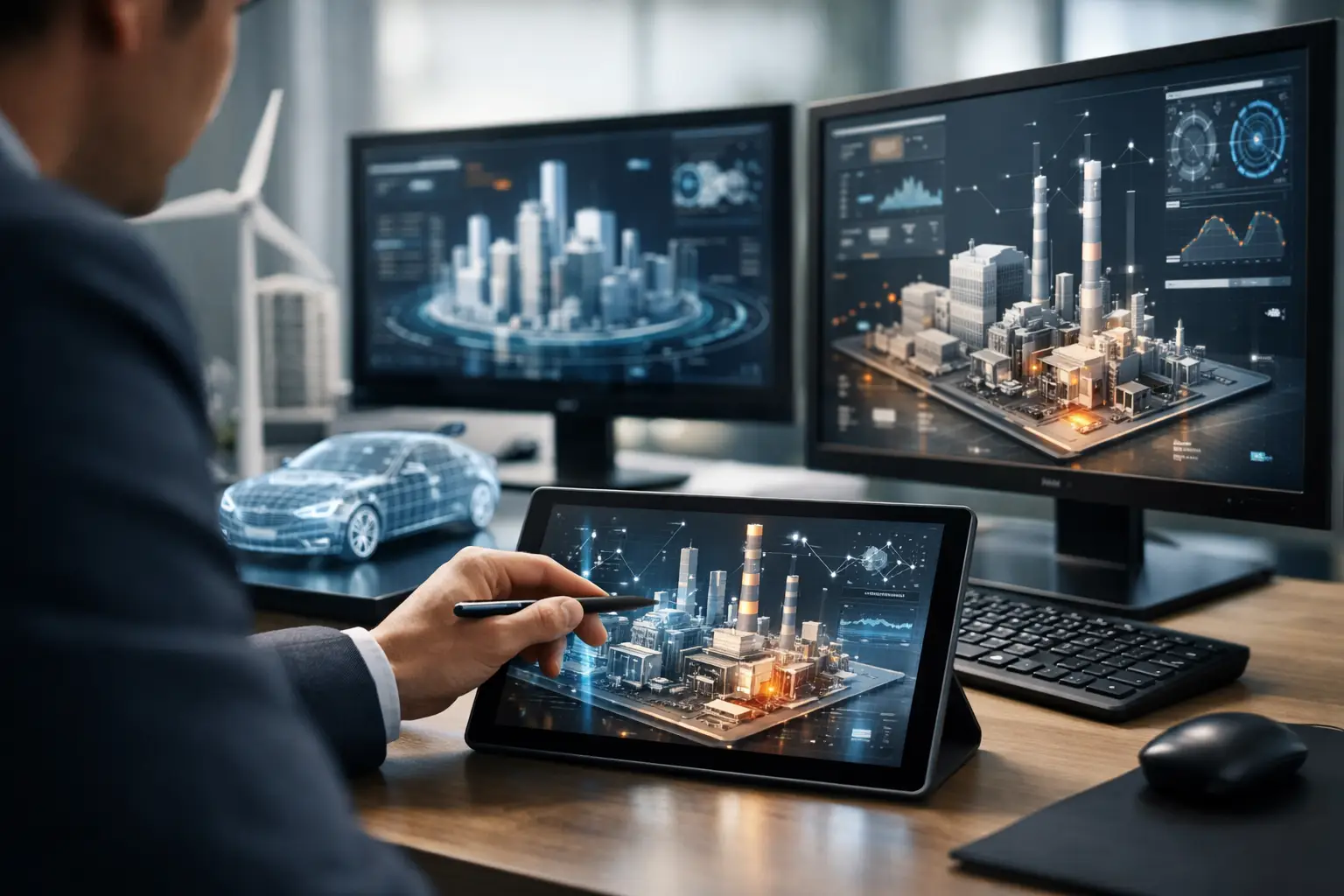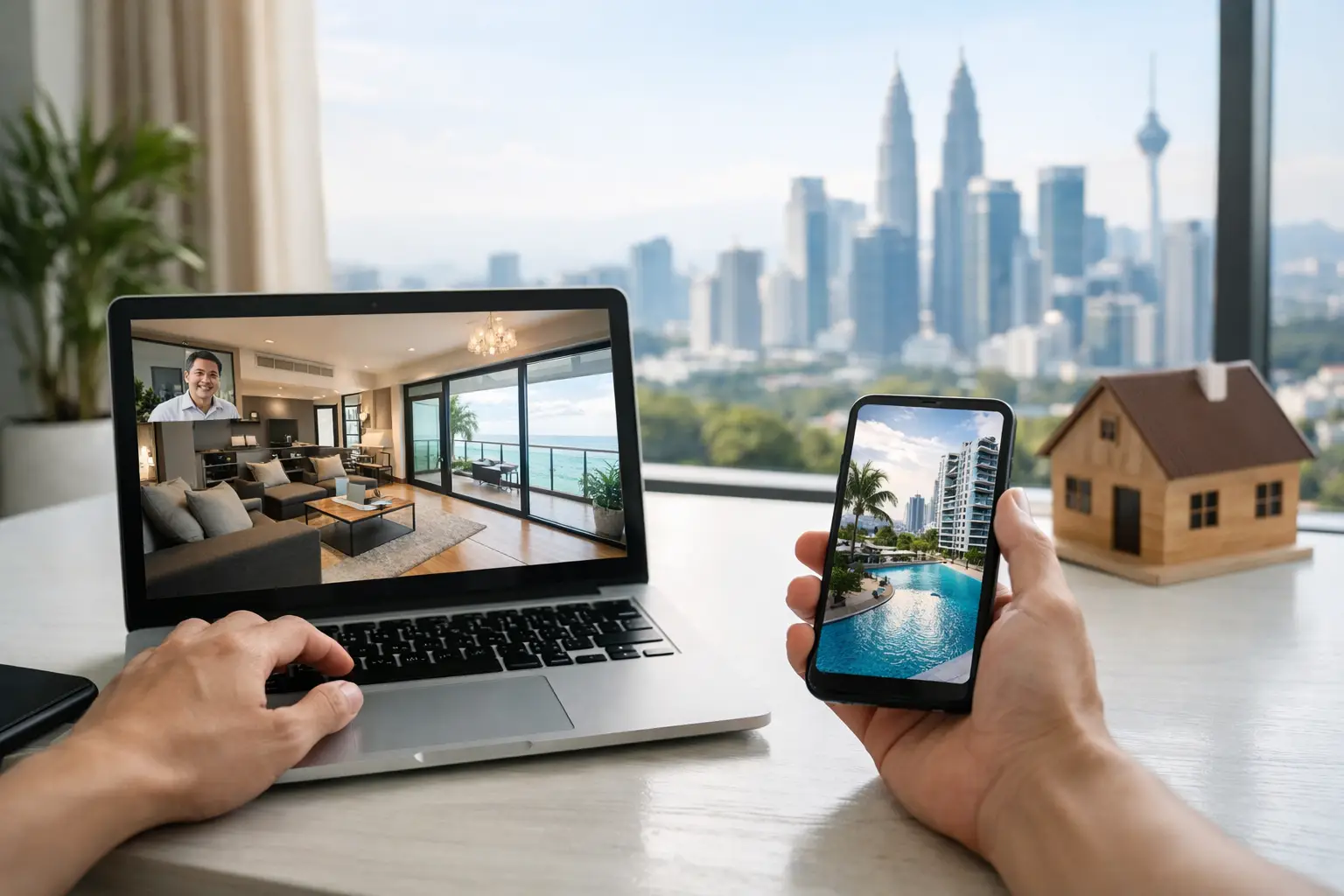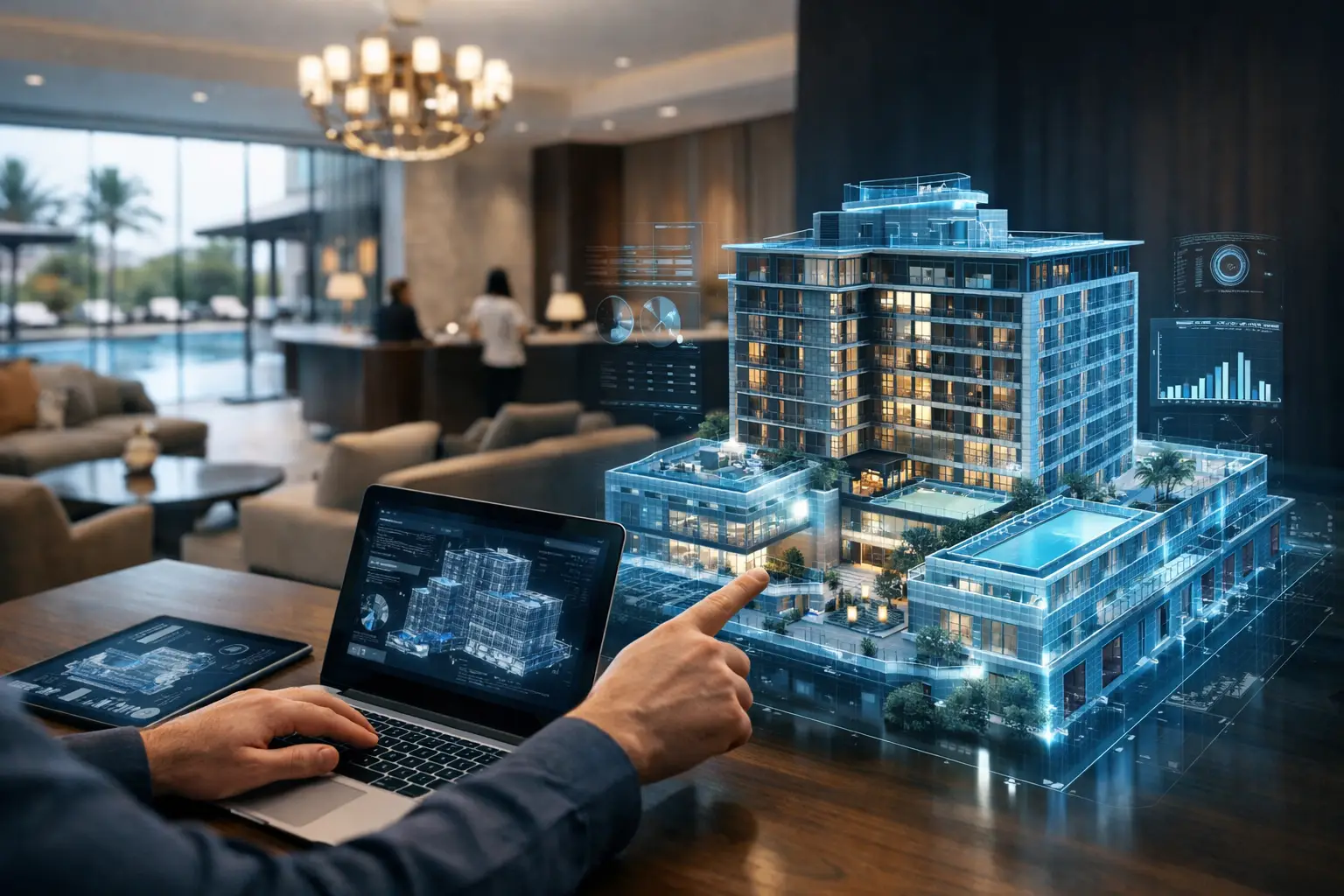

A leasing team is trying to move a commercial space faster, but the floor plan is outdated, the photo set is incomplete, and overseas stakeholders cannot visit the site. An operations manager is planning maintenance across a large facility, but asset information lives in separate files and site checks take time. In both cases, the same question comes up: what is a digital twin, and why are so many businesses treating it as a practical business tool rather than a visual extra?
A digital twin is a data-rich digital replica of a real-world space, asset, or environment. It is not just a 3D model, and it is not just a virtual tour. A true digital twin connects visual context with spatial accuracy and usable information, giving teams a way to view, measure, document, present, and manage a physical location without being on-site.
For businesses that sell, operate, or maintain physical spaces, that changes the speed and quality of decision-making.
What is a digital twin in practical terms?
In practical terms, a digital twin is a digital environment built from real-world spatial capture. That capture may come from LiDAR scanning, 360 imaging, photogrammetry, drone mapping, or a combination of methods depending on the site and the intended use.
Once processed, the result becomes an interactive representation of the physical space. Users can move through it remotely, inspect layouts, understand adjacencies, extract dimensions, attach documentation, and use it as a shared reference point across teams. In more advanced implementations, the twin can also connect to operational data, asset records, or BIM workflows.
This is where the term often gets misunderstood. Many people use “digital twin” to describe any 3D visualization. But not every 3D model qualifies. The difference is fidelity to the real site and the ability to support a business process, whether that process is marketing, planning, maintenance, renovation, insurance documentation, or stakeholder review.
A digital twin is more than a virtual tour
A virtual tour is designed primarily for viewing and engagement. It helps prospects, guests, or buyers experience a space remotely. That has clear value, especially in real estate, hospitality, retail, and venues where presentation influences conversion.
A digital twin can include that same immersive walkthrough experience, but it goes further. It adds measurable geometry, structured spatial understanding, and the possibility of linking the environment to documentation and downstream workflows. For example, an architect may use captured data to support as-built verification, while a property marketer may use the same environment to qualify leads faster.
That dual value is what makes digital twins commercially useful. One asset can support sales, planning, and operations at the same time.
How digital twins are created
The process usually begins with capturing the physical site. The right capture method depends on what the business needs from the final asset.
If the priority is accurate documentation for AEC, renovation planning, or Scan-to-BIM, LiDAR scanning is often the preferred approach because it delivers high-precision spatial data. If the priority is immersive remote viewing for marketing, 360 capture and digital twin platforms can be highly effective. For large exteriors, industrial yards, or land-based assets, drone mapping may also play a role.
After capture, the data is processed into an interactive digital environment. That environment can then be enriched with room labels, measurements, asset tags, annotations, floor plans, BIM outputs, or visual presentation layers depending on the project scope.
This matters because the value of a digital twin is not in the scan alone. It comes from how the captured environment is structured for use.
Why businesses invest in digital twins
The strongest reason is simple: they reduce friction.
When teams rely on fragmented photos, old drawings, scattered PDFs, and repeated site visits, decisions slow down. A digital twin creates a single visual reference that is easier to review and easier to share. That improves alignment between internal teams, external consultants, and remote stakeholders.
In real estate and hospitality, that often translates into stronger engagement and faster qualification. Prospects can understand the space before a physical visit, which means fewer low-intent inquiries and better use of sales time. For premium properties and destination venues, this can be especially valuable when buyers or partners are reviewing opportunities remotely.
In construction, design, and facility management, the benefit is usually operational. Accurate site context reduces rework, improves planning, and gives project teams a current view of real conditions. That is useful during renovation, handover, maintenance planning, and asset verification.
For insurance and restoration, the value is defensible documentation. A digital twin can preserve visual and spatial evidence of a property’s condition at a given point in time, which supports claims review, reporting, and dispute reduction.
What is a digital twin used for across industries?
The use case depends on the business model, not just the technology.
In commercial real estate, digital twins help showcase large or complex spaces in a way static photos cannot. Prospects can understand circulation, scale, and layout before visiting, which improves listing quality and can shorten the path to decision.
In hospitality, hotels and resorts use digital twins to present room categories, event spaces, amenities, and guest flow with far more clarity than standard image galleries. This supports direct inquiries, group bookings, and international marketing.
In AEC, captured reality data supports as-built documentation, design coordination, and renovation planning. Teams can reference existing site conditions without relying solely on legacy drawings that may no longer reflect reality.
In industrial and facility environments, digital twins support maintenance planning, site familiarization, compliance review, and training. Large facilities become easier to understand and manage when stakeholders can inspect spaces remotely with context.
In retail, museums, galleries, and exhibition spaces, digital twins create immersive visitor experiences while also giving operators a digital record of layouts and display environments.
The trade-offs businesses should understand
Digital twins are valuable, but they are not automatically the right answer in every format or at every budget level.
First, the required level of accuracy matters. A marketing-focused digital twin and a documentation-grade site capture serve different purposes. If a project needs measurement confidence for design or construction workflows, the capture method and deliverable standard must reflect that.
Second, not every site needs a fully connected operational twin. For some businesses, the immediate return comes from remote access and better presentation. For others, the real value appears when the asset integrates with BIM, maintenance systems, or long-term facility records. The right scope depends on the use case.
Third, digital twins still require planning around updates. Physical spaces change. Fit-outs evolve, branding changes, tenant layouts shift, and equipment moves. If the environment is operationally important, teams should think about how often the twin needs to be refreshed.
This is why implementation should start with a business objective, not a technology checklist.
What is a digital twin worth to decision-makers?
For decision-makers, the question is less about the definition and more about the return.
If a digital twin helps a property team present inventory better, improve engagement, and reduce wasted viewings, it has marketing value. If it helps project teams verify conditions earlier and reduce avoidable site visits, it has operational value. If it gives regional stakeholders in Malaysia, Singapore, or across Southeast Asia a consistent way to review sites remotely, it has strategic value.
The strongest projects usually combine these gains. A single captured environment can support sales enablement, design review, documentation, and internal communication. That makes the investment easier to justify because the asset is not limited to one department.
At Novo Reperio, this is typically where clients see the difference between buying visual content and building a digital asset. The output is not there just to look impressive. It is there to improve visibility, accelerate decisions, and create a more usable digital version of the physical world.
How to tell if your business needs a digital twin
If your team regularly depends on site visits to explain a space, validate conditions, or move a deal forward, a digital twin is worth serious consideration. The same applies if your marketing relies too heavily on static imagery, or if your operations team is working from incomplete records.
A digital twin is especially effective when the space itself is central to the decision. That includes hotels, showrooms, developments, industrial facilities, event venues, heritage sites, and commercial properties where layout, scale, and condition affect buying, leasing, planning, or maintenance outcomes.
The best starting point is not asking what technology to deploy. It is asking where your current process loses time, clarity, or confidence. If a digital version of the space can remove that friction, the business case usually becomes clear.
Physical spaces are harder to manage, market, and evaluate when they only exist through scattered files and in-person memory. A digital twin gives that space a working digital presence – one that teams can use, not just view. And that shift tends to pay off long after the first walkthrough.