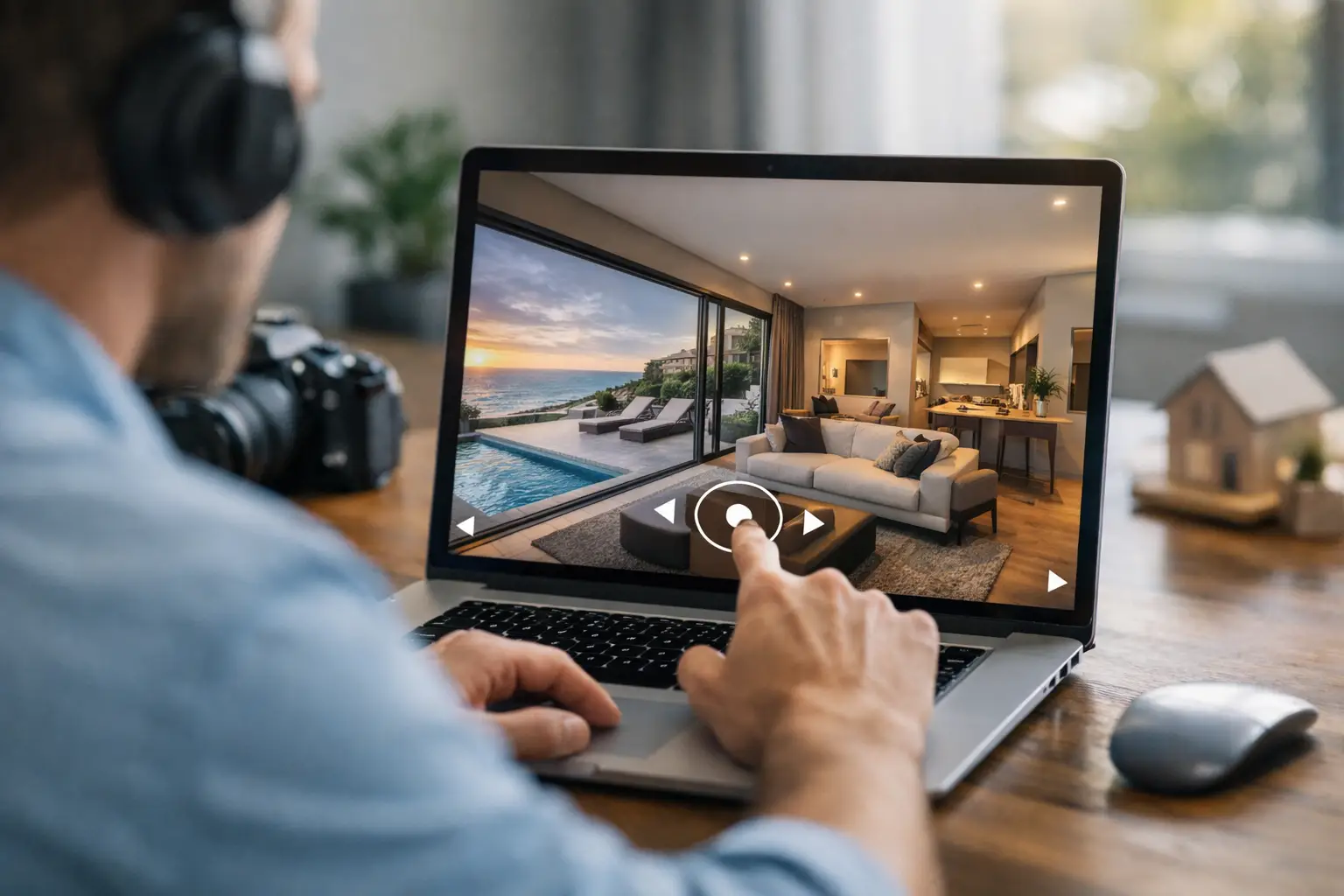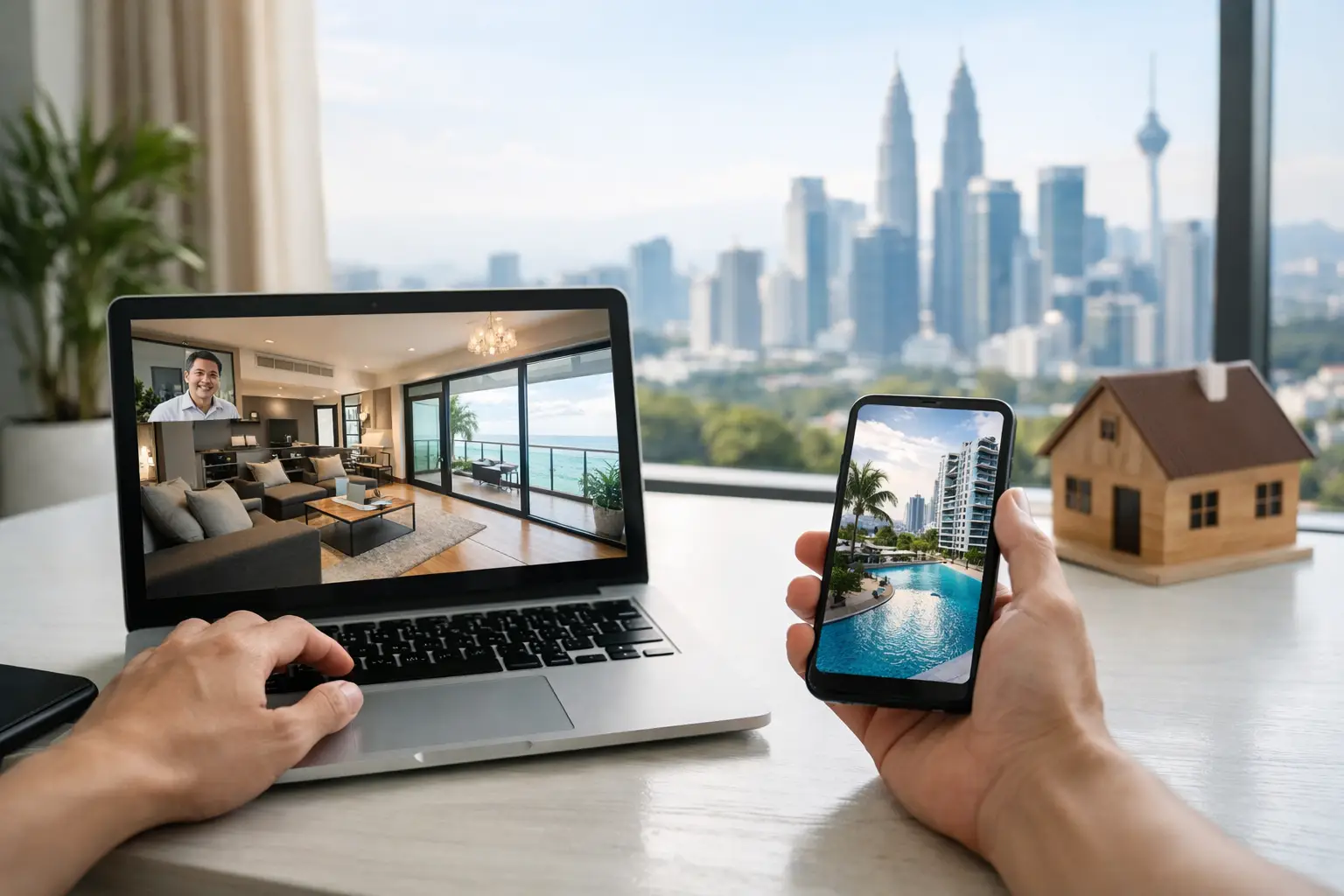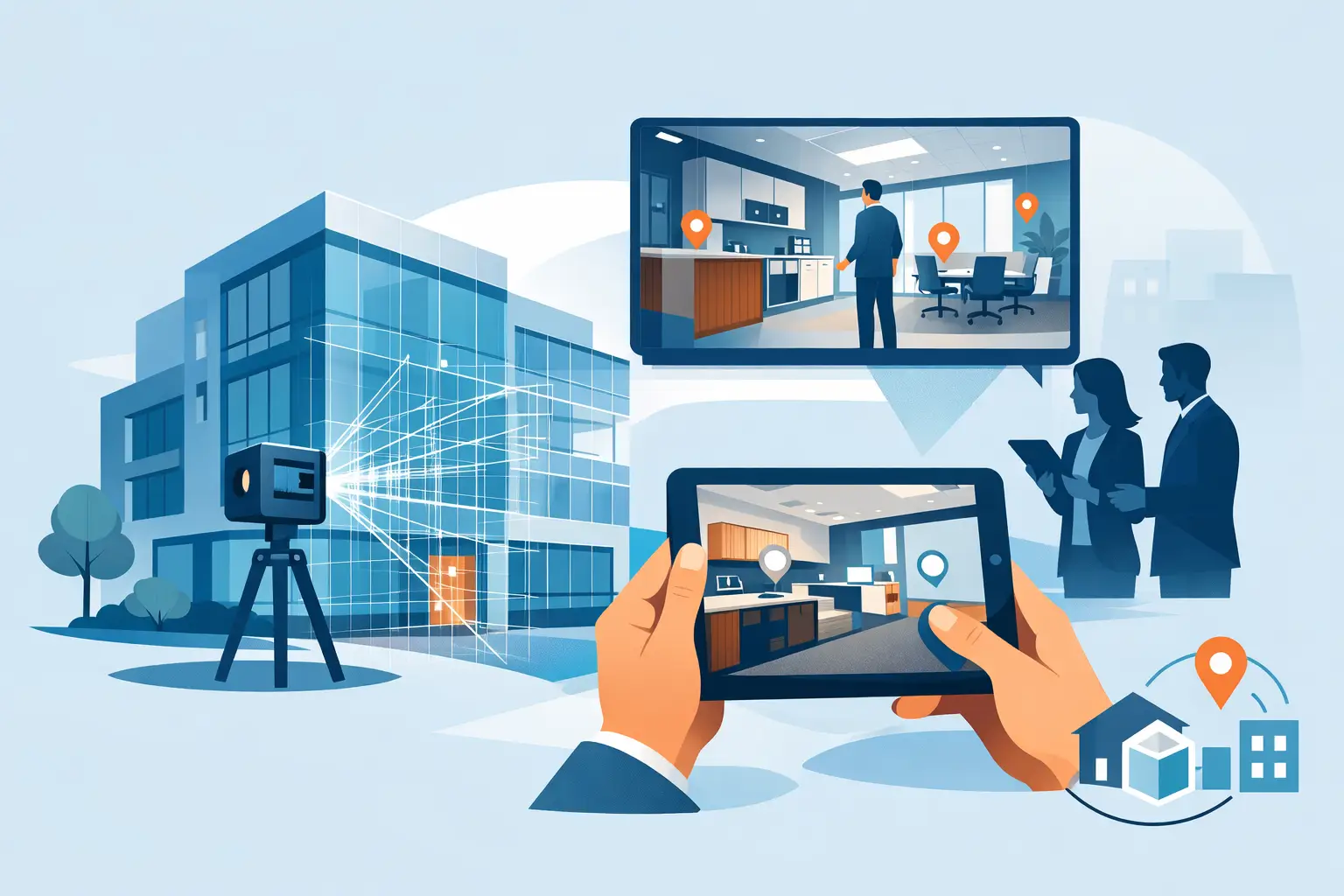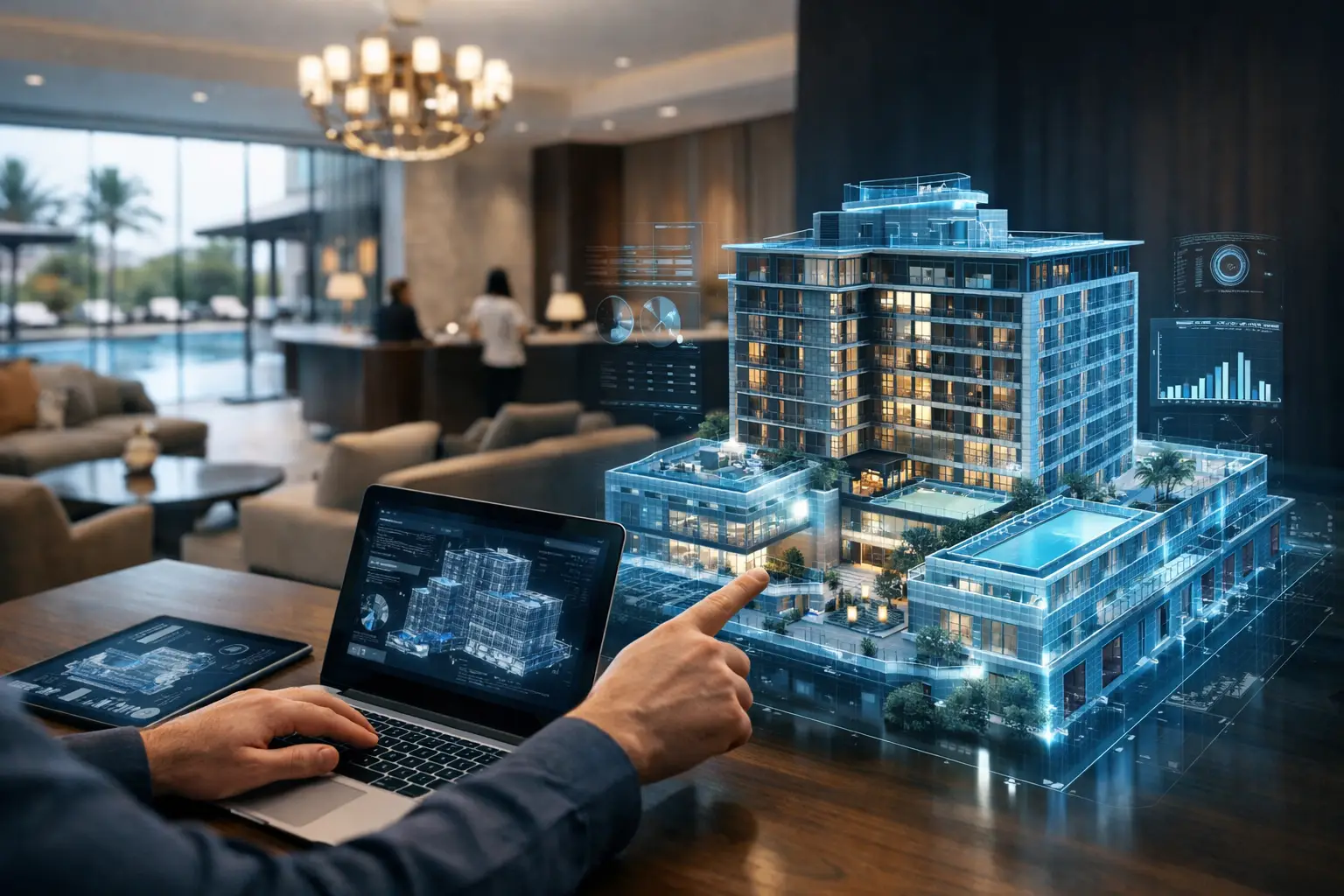

A hotel can spend heavily on brand campaigns, rate strategy, and OTA visibility, then lose a direct booking because the guest still cannot answer a basic question: What does the space actually feel like? That gap is where a digital twin case study hotel operators should pay attention to becomes commercially useful. When a property is captured as an interactive, measurable digital asset, it stops being just marketing content and starts supporting sales, planning, and operations.
For hospitality teams, the value is rarely limited to prettier presentation. A well-built digital twin can help revenue teams convert interest faster, help event sales shorten site inspection cycles, and help operations document spaces with far more precision than static images ever could. The strongest case studies are not about novelty. They are about reducing friction in decisions that affect occupancy, event revenue, and asset management.
What makes a digital twin case study hotel-relevant
In a hotel context, a digital twin is a navigable 3D representation of the property created through spatial capture technology such as LiDAR-based workflows, 360 imaging, or platform-led digital twin systems. The difference between a standard virtual tour and a hotel-grade digital twin is practical depth. A digital twin allows viewers to move through real space, understand room adjacency, assess layout, and in some cases extract measurements or support downstream documentation.
That matters because hotels sell more than rooms. They sell confidence. A leisure traveler wants to know whether the suite matches the premium rate. A corporate travel manager wants consistency. A wedding planner wants to inspect ballroom flow, pre-function space, and guest circulation without waiting for an in-person visit. An engineering or facilities team wants current documentation before renovation or maintenance planning begins.
A useful digital twin case study hotel teams can learn from therefore needs to show more than visual appeal. It should show where measurable value appears across the guest journey and the asset lifecycle.
The business scenario behind the hotel case study
Consider a full-service urban hotel with 180 rooms, multiple meeting spaces, one ballroom, a rooftop venue, and several food and beverage outlets. The property competes in a crowded market where guests compare listings quickly and event planners often shortlist venues before making contact. The hotel already has professional photography and a functional website, but its sales team sees recurring friction.
Leisure guests spend time browsing room categories yet hesitate on premium bookings. Event inquiries arrive, but conversion slows because planners need repeated walkthroughs, updated floor plans, and visual clarification on staging capacity. Internally, operations and project stakeholders rely on a mix of old drawings, photos, and manual site checks when reviewing refurbishments or maintenance planning.
This is a common hospitality problem. The issue is not lack of content. It is that the content does not behave like a working spatial asset.
How the digital twin was deployed
The project begins with full-property capture covering public areas, key room categories, function rooms, circulation routes, and selected back-of-house zones relevant to asset management. In a hotel environment, coverage strategy matters. Scanning every square foot may not always be necessary for marketing, but it can be valuable for facilities planning or renovation workflows. The right scope depends on whether the hotel is prioritizing direct bookings, MICE sales, operational documentation, or all three.
Guest-facing outputs are structured around decision points. Prospective guests can compare room types more realistically. Event buyers can move from lobby arrival to pre-function area to ballroom and breakout rooms in sequence. That sequence matters because hospitality buying decisions depend on flow, not isolated images.
Operationally, the same spatial data can support measured understanding of interiors, asset condition reference, and coordination with design or maintenance teams. If the property later plans a refurbishment, the captured environment becomes a useful starting point for scan-to-BIM or as-built verification rather than forcing teams to restart documentation from zero.
Where results typically show up first
The fastest gains usually appear in sales conversations. A digital twin reduces the number of clarifying questions that delay booking intent. Guests can inspect layout, views, and circulation on their own schedule. That tends to improve confidence, especially for premium inventory where expectation gaps carry higher commercial risk.
For event and group sales, the effect is often stronger. A planner who can remotely assess access points, ceiling height perception, pre-function proportions, and room relationships arrives at the first serious conversation better qualified. That does not eliminate site visits altogether, and it should not. High-value events still need physical checks. But it can move site visits later in the funnel, when buyer intent is stronger and sales resources are being used more efficiently.
This is one of the most practical lessons from any digital twin case study hotel sales leaders should evaluate. Better visualization does not just increase engagement metrics. It filters and accelerates commercial intent.
Marketing impact beyond static visuals
Hotels have long relied on photography, video, and short-form social content. Those assets still matter. A digital twin is not a replacement for all visual marketing. It works best as a high-intent layer within the broader content stack.
Photography creates desire. Video shapes brand atmosphere. A digital twin answers spatial questions. When those roles are clear, marketing becomes more efficient.
That distinction matters because some properties expect a digital twin to perform every content function at once. It will not. If the website is poorly structured, if room descriptions are vague, or if rate strategy is uncompetitive, a digital twin will not fix that. What it can do is improve the quality of consideration by giving prospects a more accurate basis for comparison.
For destination properties and resorts, this can be especially useful for international buyers planning remotely. In markets across Southeast Asia, where regional travel and event bookings often involve cross-border decision-making, reducing uncertainty before arrival has direct value.
Operational value is where the case gets stronger
The commercial argument gets attention first, but the operational argument often builds the longer-term return. Hotels are living assets. Rooms are refreshed, meeting spaces are reconfigured, MEP systems need coordination, and ownership groups want better visibility into the condition and layout of the property.
A current digital twin gives stakeholders a common visual reference point. That can reduce repeat site visits for consultants, shorten briefing cycles with contractors, and help internal teams review spaces remotely before making decisions. If paired with LiDAR-grade capture and downstream documentation workflows, the value extends further into renovation planning, measurement verification, and facilities coordination.
This is where hospitality teams need to be realistic about quality thresholds. A marketing-grade virtual experience may be enough for guest engagement. It may not be enough for technical planning. If the hotel expects the asset to support refurbishment, asset management, or BIM-related workflows, capture methodology and deliverable structure need to reflect that from the start.
Trade-offs hotel teams should consider
Not every hotel needs a full-property digital twin on day one. A business hotel with standardized room inventory may get more immediate value from prioritizing public areas, suites, and event spaces. A resort with differentiated villa categories may need broader guest-facing coverage. A convention hotel may place the highest value on function spaces and circulation logic.
There is also the issue of maintenance. A digital twin reflects a point in time. If the property undergoes refurbishment, branding changes, or room upgrades, the asset needs updating or it starts losing credibility. That is not a weakness of the technology. It is simply part of managing digital content as an operational asset rather than a one-time campaign item.
Privacy and access control also matter. Hotels may want public-facing tours for sales while restricting back-of-house or engineering areas to internal stakeholders. Good deployment is not just about capture quality. It is about structuring access according to business use.
What decision-makers should measure
A hotel evaluating digital twin investment should look beyond vanity metrics. Time on page and interaction rates are useful signals, but they are not the whole story. More relevant indicators include direct inquiry quality, premium room conversion, event sales cycle length, fewer low-intent physical inspections, and improved internal coordination for planning or maintenance.
The strongest outcome usually comes when the hotel treats the twin as shared infrastructure across departments. Marketing uses it to improve presentation. Sales uses it to qualify leads. Operations uses it as a visual reference. Asset teams use it to support planning. That cross-functional value is what turns a digital twin from a media expense into a working business asset.
For hotel groups, standardization can add another layer of value. When multiple properties are digitized with a consistent capture and presentation framework, portfolio visibility improves. Corporate teams can review properties remotely with less friction, while sales and marketing teams present inventory more consistently across markets.
Why this matters now for hospitality
Travel buyers are more comfortable making high-value decisions remotely than they were a few years ago, but their expectations are higher too. They do not just want appealing visuals. They want proof of space, layout, and fit. Hotels that provide that clarity are easier to trust.
That is why the best digital twin case study hotel leaders can learn from is not about technology for its own sake. It is about reducing uncertainty at every stage – before booking, before site inspection, before renovation planning, and before internal approvals. When spatial information becomes easier to access and easier to trust, commercial decisions tend to move faster.
A hotel does not need more digital content for the sake of volume. It needs digital assets that make buying, planning, and managing space easier for the people who matter most.