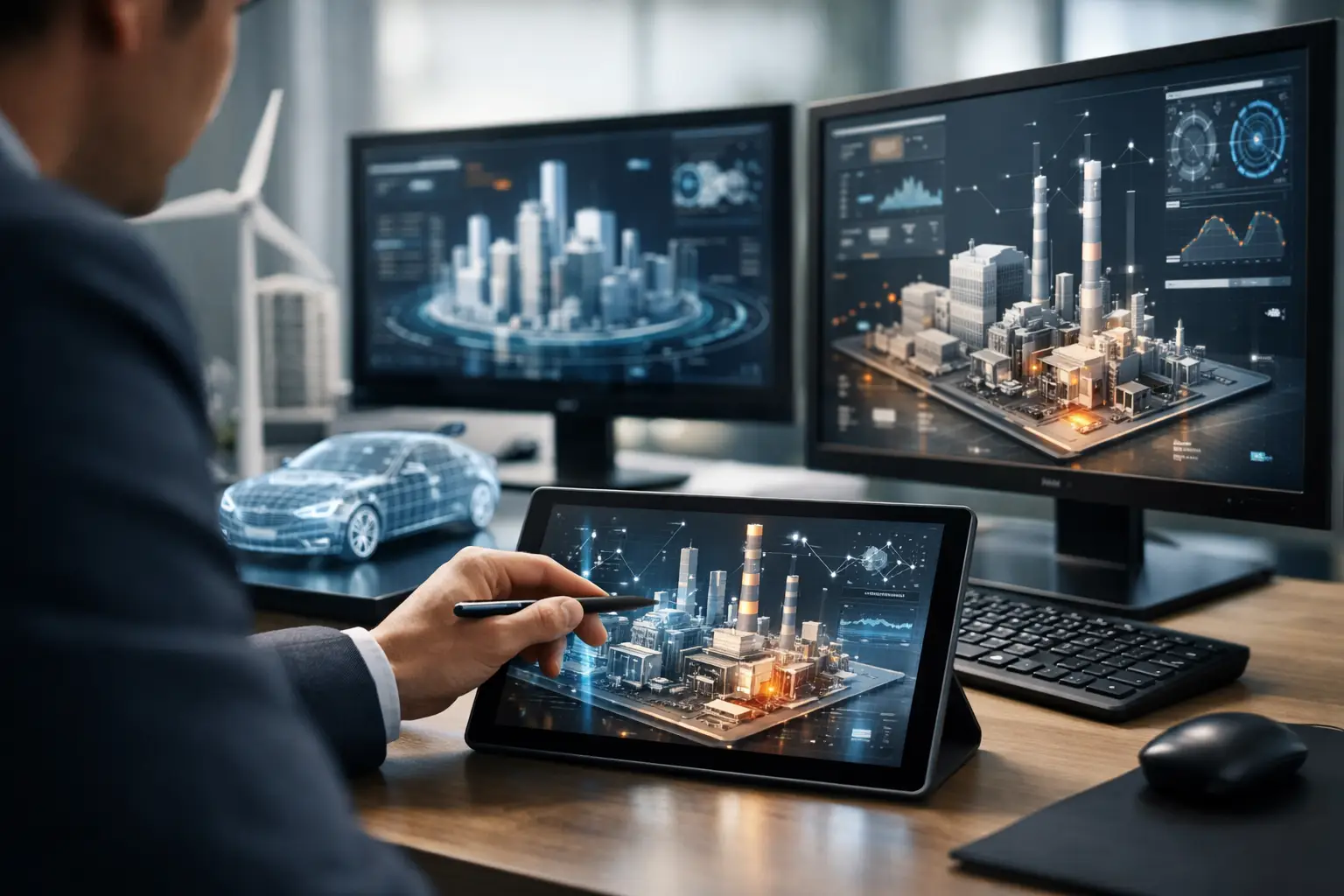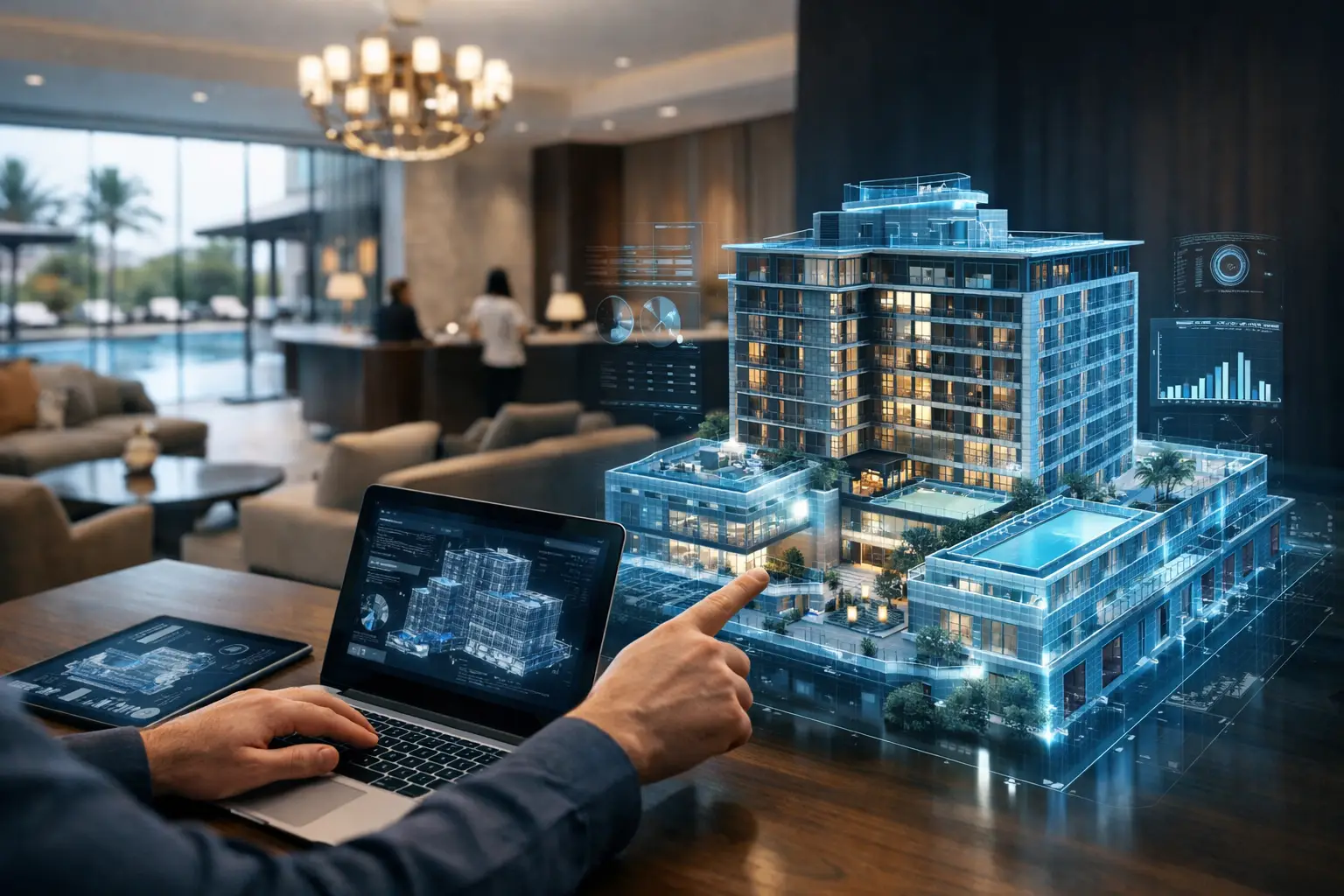

A facilities manager walks a large site with one problem hanging over every decision: the building exists in fragments. The maintenance history sits in one system, drawings live in old folders, asset information is partly updated, and the actual condition on site tells a slightly different story. That is exactly where a Malaysia digital twin for facilities starts to make commercial sense – not as a visual extra, but as an operational layer that brings the physical environment, asset data, and decision-making into one usable view.
For owners, operators, and property teams managing commercial buildings, industrial facilities, hospitality assets, or mixed-use developments, the value is straightforward. Better visibility reduces delay. Better documentation reduces rework. Better spatial context improves maintenance planning, remote collaboration, and capital decisions. The question is not whether digital twins look impressive. It is whether they reduce friction in day-to-day facility operations. When implemented well, they do.
What a Malaysia digital twin for facilities really is
In facility management, a digital twin is not just a 3D model or virtual walkthrough. It is a digital representation of a real facility that can combine spatial capture, visual context, asset locations, as-built conditions, and operational information into one environment.
That distinction matters. A static model may help with presentation. A digital twin for facilities should help teams work. It can support maintenance planning, condition documentation, remote inspections, onboarding, renovation scoping, compliance reviews, and coordination between owners, consultants, and service vendors.
In the Malaysian market, this is especially relevant for facilities with layered complexity – manufacturing sites, hospitals, hotels, commercial towers, campuses, logistics environments, and older assets that have gone through years of changes without clean documentation. Many teams are operating with outdated drawings, partial BIM models, or inconsistent asset registers. A digital twin closes that gap by capturing what is actually there.
Why facilities teams in Malaysia are paying closer attention
The pressure on facilities is changing. Teams are being asked to extend asset life, reduce downtime, improve reporting, and support remote stakeholders without increasing operational drag. At the same time, portfolios are becoming harder to manage because more sites, more vendors, and more compliance demands create more room for error.
A Malaysia digital twin for facilities gives decision-makers a clearer operating picture. Instead of relying on separate photos, verbal updates, and site visits for every issue, teams can review the environment visually, validate conditions faster, and communicate with more precision. For a regional owner or management group with assets across Kuala Lumpur, Johor, Penang, or East Malaysia, that visibility becomes even more valuable because physical access is not always immediate.
There is also a cost argument. Site revisits, drawing discrepancies, unclear access paths, and incomplete asset records create hidden waste. The return on a digital twin often comes from avoided inefficiency rather than a single dramatic savings line. That makes it useful for both premium assets and highly practical operating environments.
Where digital twins deliver the most value in facility operations
The strongest use cases are usually not flashy. They are operational.
Maintenance planning and asset visibility
When a facility team can locate equipment within a spatially accurate digital environment, maintenance planning gets easier. Engineers can review access constraints before attending site. Vendors can understand equipment context earlier. Managers can reduce time lost to searching, clarifying, or revisiting.
This is even more useful when digital twin data is paired with asset tags, service records, or maintenance workflows. The twin becomes a practical reference point rather than a standalone visual file.
Renovation, retrofit, and fit-out decisions
Facilities are rarely static. Hotels refresh floors. office buildings reposition units. factories add lines. campuses repurpose space. In these scenarios, current-condition capture is critical.
A digital twin supported by LiDAR or Scan-to-BIM workflows gives consultants and project teams a reliable base for design, coordination, and budgeting. It reduces the common problem of working from drawings that no longer reflect reality. That lowers the risk of variation orders, site clashes, and delays.
Remote audits and stakeholder communication
Facility decisions often involve people who are not on site – owners, consultants, insurers, project managers, compliance teams, and external contractors. A digital twin makes those discussions more efficient because everyone is looking at the same environment.
Instead of long explanation chains and incomplete image sets, teams can review space conditions with spatial context. That improves speed and reduces ambiguity, especially when the site is large or technically dense.
Training and operational continuity
For industrial and technical facilities, digital twins can also support familiarization and onboarding. New staff can understand layouts, circulation paths, equipment zones, and restricted areas before entering site. That does not replace physical induction, but it can improve preparation and consistency.
The technology matters, but the use case matters more
Not every facilities project needs the same level of digital twin complexity. That is where many buyers get stuck. They assume the technology decision comes first. In practice, the operational objective should lead.
If the goal is visual access and site understanding, a high-quality digital twin with interactive navigation may be enough. If the goal is design coordination or redevelopment planning, LiDAR capture and Scan-to-BIM become more important. If the goal is ongoing asset management, then integration strategy matters more than visual polish alone.
This is why precision in scope is commercially important. Over-specifying the solution can increase cost without adding operational value. Under-specifying it can create a polished model that looks useful but does not support real facility workflows.
A strong implementation partner will usually begin with questions such as: what decisions need to improve, who will use the twin, how current does the data need to be, and whether the asset is being managed, marketed, refurbished, or all three.
Common trade-offs decision-makers should expect
Digital twins are powerful, but they are not magic. The value depends on how the facility will actually use them.
One trade-off is depth versus speed. A quick capture can create immediate visibility, which is useful for documentation and remote access. A more detailed LiDAR-driven workflow offers higher accuracy and richer downstream use, but it requires more planning and budget.
Another trade-off is between one-time documentation and living data. Some facilities only need a current-condition record for renovation, insurance, or transition planning. Others need a digital asset that can be updated and referenced over time. The second case usually requires clearer governance, naming standards, and ownership across teams.
There is also the issue of adoption. If the digital twin is difficult to access, disconnected from daily operations, or owned by only one department, usage tends to drop. The best results usually come when facilities, operations, projects, and leadership all see a practical benefit in the same environment.
What to look for in a digital twin partner
For facilities, the right partner is not just someone who can scan a building. They need to understand why the building is being digitized in the first place.
That means spatial accuracy, yes, but also workflow thinking. How will the captured environment support maintenance teams, project managers, asset owners, and external consultants? Can the output support both quick visual review and more technical documentation? Is the capture method suitable for active sites, complex MEP environments, or large industrial footprints?
In Malaysia, where facility types range from premium commercial towers to logistics hubs, resorts, factories, and institutional campuses, versatility matters. So does delivery discipline. A digital twin should not create another isolated file set. It should create a usable digital asset that supports decision-making after the scanning day is over.
This is where a specialist firm such as Novo Reperio can add real value – not simply by producing immersive spatial outputs, but by aligning digital twin, LiDAR, Scan-to-BIM, and visual documentation workflows to commercial and operational goals.
The real shift: facilities become measurable spaces
The biggest change is not visual. It is managerial. When facilities become measurable, navigable digital assets, teams stop relying so heavily on memory, scattered files, and repeated site dependence. They can compare, plan, communicate, and act with more confidence.
That does not mean every building needs a fully integrated smart-building ecosystem from day one. Often the better approach is staged adoption: document the site accurately, establish a usable digital environment, then expand into asset data, BIM workflows, or operational integrations where the business case is clear.
For facility leaders, that is the practical way to think about digital twins. Not as a trend to follow, but as infrastructure for better decisions. The most useful digital twin is the one that helps your team solve a real problem on Monday morning.