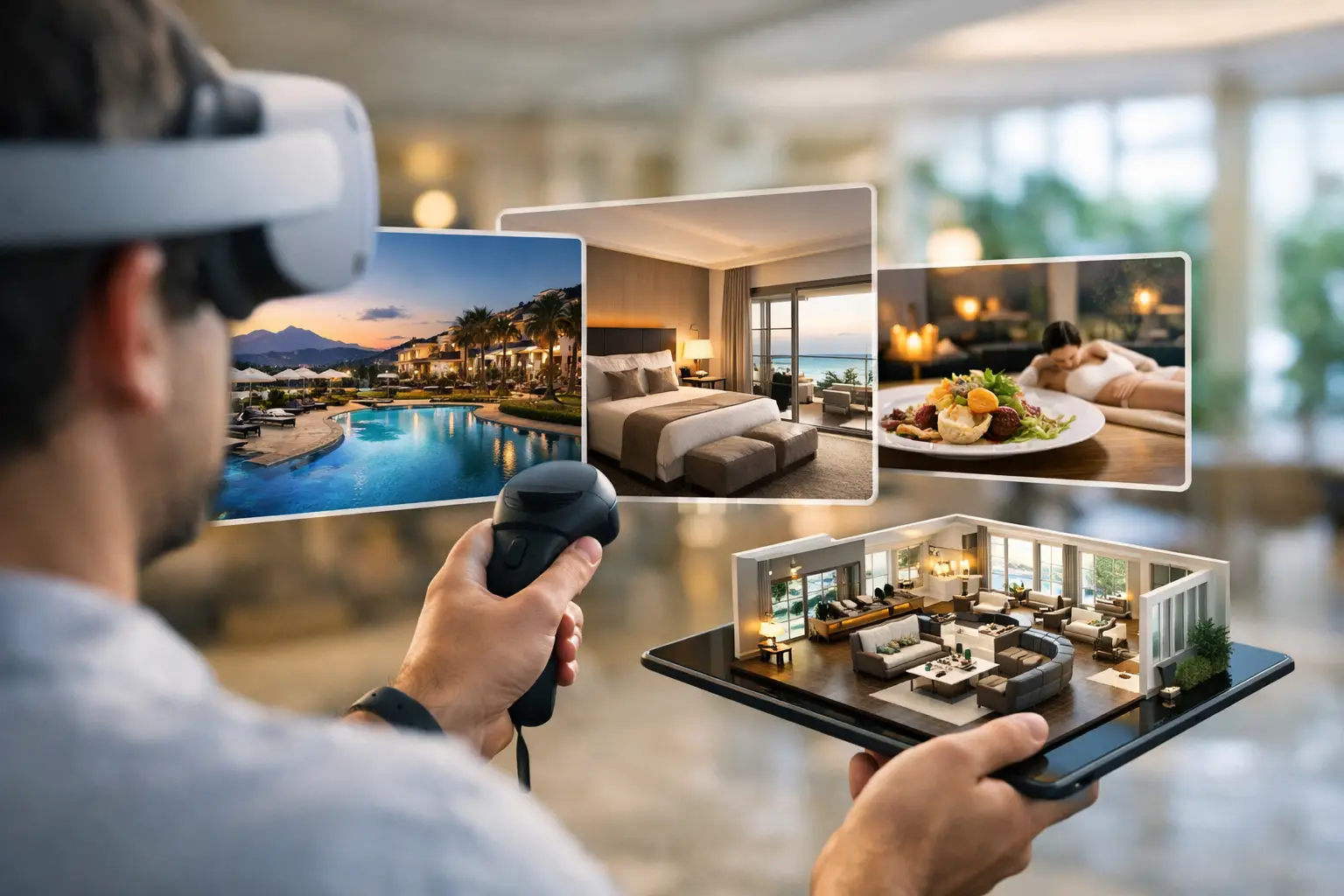

A prospective guest can compare five hotels in the time it takes to scroll through a photo gallery. The property that lets them inspect the room layout, assess the pool atmosphere, and understand the walk from lobby to elevator has a material advantage. The best hotel virtual tour ideas do more than make a website look modern. They reduce uncertainty at the point where interest either becomes a direct booking or disappears to an online travel agency.
For hotel operators, a virtual tour should be treated as a conversion asset rather than a collection of panoramic images. It needs to answer practical guest questions, reinforce the property’s positioning, and make high-value spaces easier to sell remotely. The right approach depends on the hotel type, guest mix, and commercial priorities.
Why hotel virtual tours influence booking decisions
Hotel stays are difficult to evaluate before arrival. Guests are not only buying a bed. They are buying a sense of space, privacy, convenience, and suitability for a specific trip. Static photography can create aspiration, but it rarely explains how a room connects to a balcony, whether the meeting facilities support a particular event format, or how close family rooms are to the pool.
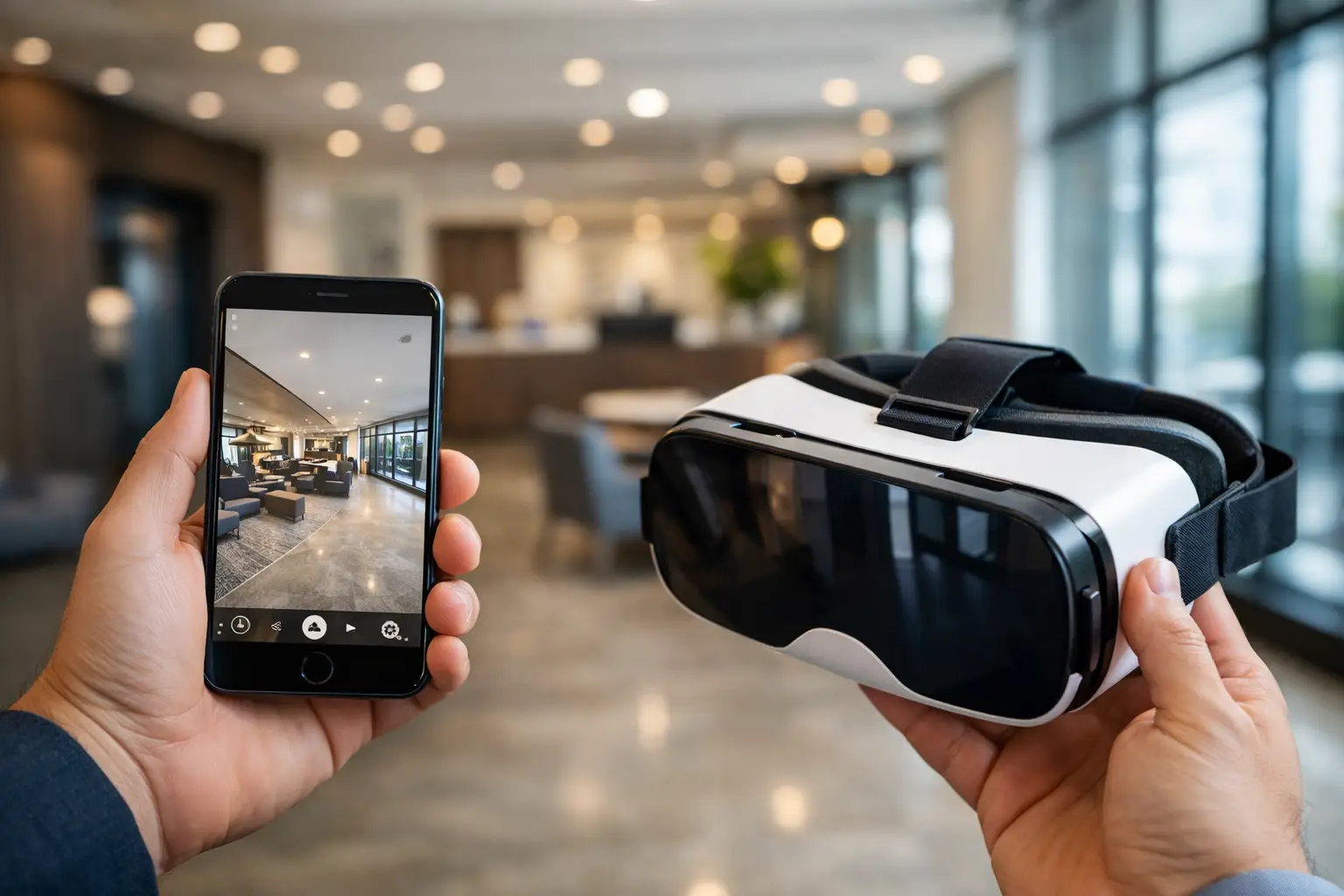
An interactive digital twin or 360 virtual tour gives guests control over their viewing experience. They can move through spaces at their own pace, revisit details, and compare room categories without relying on assumptions. That confidence can improve the quality of inquiries and support a stronger direct-booking journey.
For resorts, convention hotels, and luxury properties, the value extends beyond leisure reservations. Sales teams can use the same asset to qualify group business, present wedding venues to overseas clients, and support site inspections when travel is impractical. A well-planned capture can therefore serve marketing, reservations, events, and operations at the same time.
10 best hotel virtual tour ideas for stronger conversion
1. Start with the guest arrival journey
Begin the tour where the decision begins: the entrance, drop-off point, or lobby. Show the approach to reception, the arrival atmosphere, and the visual cues that establish the property’s standard. For an airport hotel, this may mean clarity and efficiency. For a resort, it may mean a slower reveal of landscape, water, or architecture.
This opening should orient rather than overwhelm. A short welcome panel can direct leisure guests toward accommodations and amenities while giving event planners a clear route to function spaces. It is a simple way to prevent large properties from feeling confusing online.
2. Build separate paths for each room category
One attractive guest room does not represent an entire inventory. A standard room, executive room, suite, family room, and accessible room each solve different booking needs. Give key categories their own tour path, or connect them from a central room-selection point.
Focus on the details that affect suitability: bed configuration, desk placement, luggage space, bathroom layout, connecting-room options, balcony size, and the real relationship between windows and views. Avoid presenting a room dressed in a way that implies features unavailable in that category. Accurate spatial representation protects guest expectations and reduces preventable complaints.
3. Use annotation points to answer real questions
Interactive tags are most effective when they remove friction. Label the work desk with available connectivity, explain whether a bathtub is standard or suite-only, identify the balcony type, or clarify access to club lounge benefits. In a resort, a tag can show the walking time from a villa zone to the beach or main restaurant.
Too many tags create visual noise, so prioritize questions that reservation agents repeatedly receive. The goal is not to turn every surface into an advertisement. It is to make the tour useful enough that guests feel ready to proceed.
4. Show the view, not just the window
For many hotels, the view is part of the rate justification. A virtual tour should show what guests can reasonably expect from a room or suite category, whether that is a skyline, garden, marina, golf course, or partial sea view. Where views vary by floor or orientation, state that clearly.
This is especially relevant for urban hotels in markets such as Kuala Lumpur and Singapore, where a premium room may be selected specifically for its outlook. Transparency supports trust. It also helps revenue teams explain why one category carries a different price point.
5. Make amenities feel connected to the stay
A pool, spa, fitness center, kids’ club, restaurant, and lounge should not be captured as disconnected marketing assets. Connect these spaces through the route a guest would naturally take. This gives viewers a more realistic sense of scale and convenience.
For example, a family-focused tour can move from family rooms to the breakfast venue, pool, and children’s activity area. A business traveler path can prioritize lobby access, workspace, executive lounge, fitness facilities, and meeting rooms. The spaces may be the same, but the commercial story changes with the audience.
6. Create a dedicated wedding and event venue walkthrough
Event planners need more than a ballroom photograph. They need to understand ceiling height, pre-function areas, stage placement, access routes, breakout capacity, natural light, and how guests circulate between spaces. A virtual walkthrough lets them assess these factors before requesting a proposal or scheduling a physical inspection.
Include multiple setup views where practical, such as theater, classroom, banquet, and cocktail formats. A digital presentation cannot replace every site visit, particularly for complex productions, but it can reduce unqualified visits and speed up the first stages of venue selection.
7. Include outdoor spaces at the right time of day
Outdoor dining terraces, rooftop bars, gardens, beachfront areas, and infinity pools often carry the strongest emotional appeal. They also change dramatically with sunlight, weather, and occupancy. Capture them when the lighting supports the intended experience, while keeping the representation honest.
A sunset rooftop tour may be ideal for driving restaurant reservations or social-event inquiries. A daylight capture may be more useful for helping families evaluate shade, seating, and pool access. If an area serves several purposes, use separate viewpoints instead of forcing one scene to do all the work.
8. Add aerial context for large resorts and destinations
Drone imagery can complement a ground-level virtual tour by showing the relationship between buildings, beach access, golf facilities, marina berths, parking, and nearby attractions. This is particularly valuable when the property is spread across a large site or when location is a key reason to book.
Aerial content should provide orientation, not just cinematic appeal. Use it to help guests understand where room wings sit relative to the main facilities and what is actually within walking distance. Local aviation requirements, privacy considerations, and weather conditions must shape the capture plan.
9. Use virtual staging carefully for unfinished or renovated areas
Hotels undergoing renovation, repositioning, or pre-opening sales campaigns cannot always wait for final photography. CGI walkthroughs and virtual staging can help commercial teams present future rooms, restaurants, or event spaces before construction is complete.
The trade-off is credibility. Clearly distinguish rendered concepts from completed spaces, and ensure finishes, furniture, and layouts match the approved design intent. Used responsibly, visualization can support early group sales and investor communication. Used carelessly, it can create expectations the operational property cannot meet.
10. Turn the tour into a data-rich sales asset
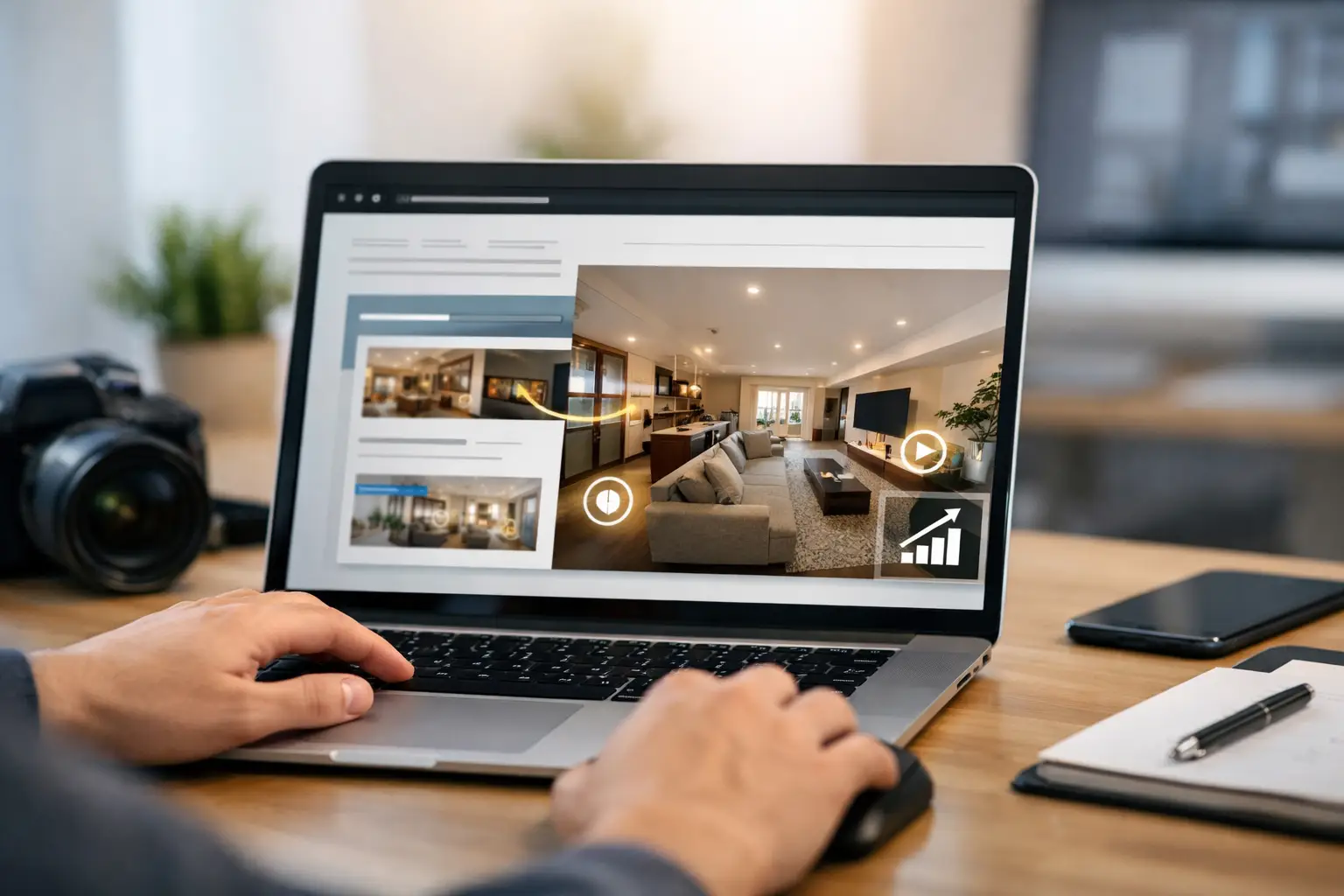
The strongest virtual tours connect visual exploration to action. A meeting room can include capacity information and downloadable specifications within the booking process. A suite can direct guests toward an inquiry path. A tagged pool cabana can support a relevant upgrade offer.
Behind the scenes, interaction data can reveal which spaces attract the most attention, where viewers leave the experience, and which room categories generate the highest intent. These insights help marketing and revenue teams refine page structure, promotional messaging, and campaign targeting. The tour becomes more valuable over time when it is measured and optimized rather than treated as a one-time production.
Planning the best hotel virtual tour ideas around business goals
Before capture begins, define the outcome. A city hotel seeking more direct leisure bookings will prioritize room categories, views, and nearby convenience. A resort pursuing destination weddings will put greater emphasis on ceremony locations, reception venues, accommodations for groups, and the guest journey across the site. A convention hotel may need a structured venue tour that supports corporate procurement and event sales.
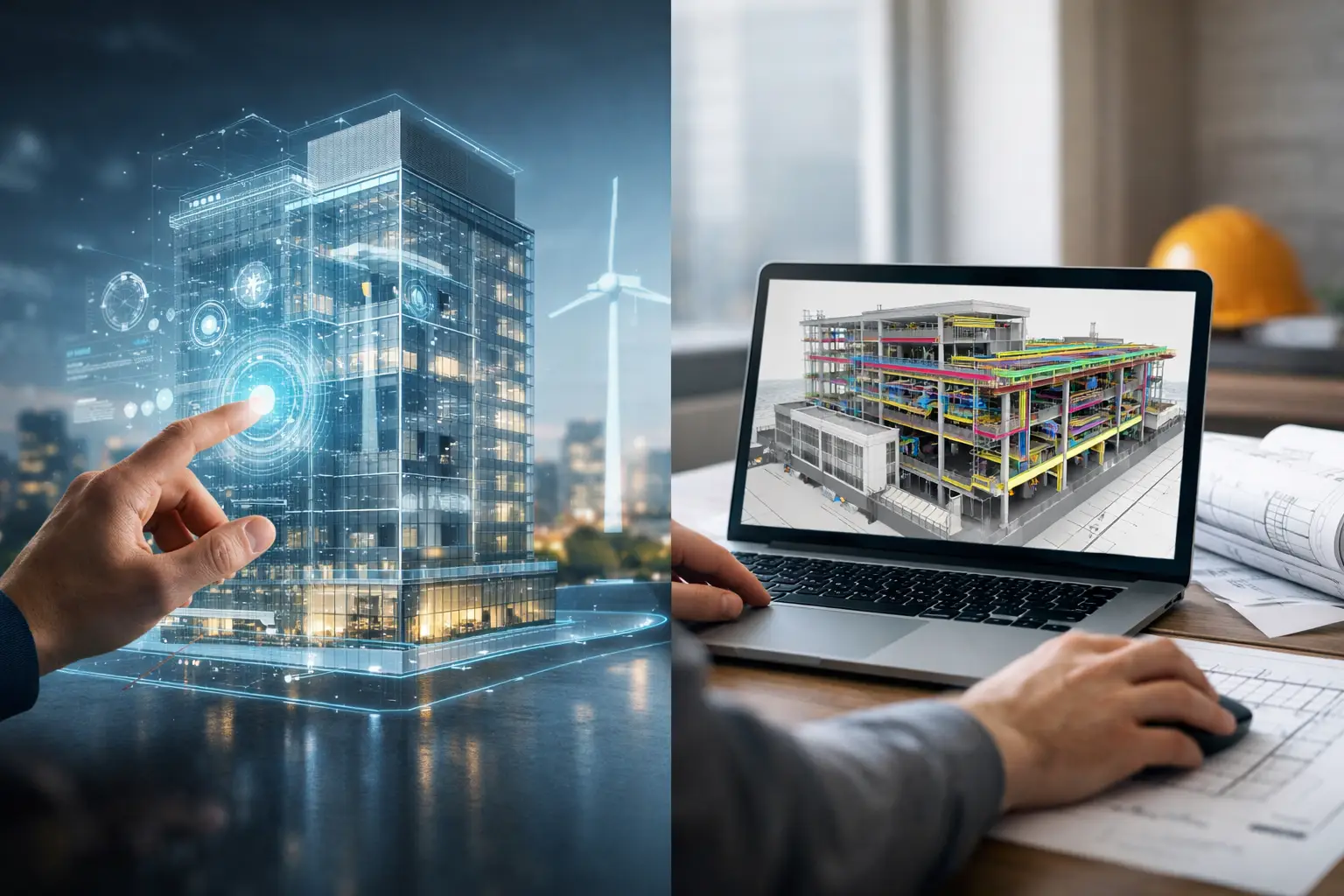
It is also worth deciding whether the asset will serve only marketing or support broader operational use. Matterport digital twins and LiDAR-based spatial capture can create a more durable foundation for renovation planning, facility coordination, remote stakeholder review, and as-built documentation. Not every hotel requires that level of detail, but large properties and multi-phase developments often benefit from a capture strategy that can serve several departments.
Production quality matters because hospitality guests notice inconsistencies quickly. Spaces should be prepared, lighting considered, staff and guest privacy managed, and navigation tested on mobile devices. A tour with polished imagery but confusing routes will underperform. Equally, an accurate digital twin with no commercial context may be valuable internally but fail to motivate a booking.
Novo Reperio approaches hotel visualization as an integrated spatial asset: immersive enough for guest engagement, precise enough for stakeholder communication, and structured to support the commercial decisions behind the property.
The most effective hotel virtual tour is not the one with the most panoramic viewpoints. It is the one that lets the right guest picture their stay clearly enough to stop comparing and start booking.