
A prospective tenant lands on a commercial listing after hours, a hotel guest compares room types from another country, or an investor needs to review a site before booking a flight. In each case, static photos create interest but leave critical questions unanswered. Are virtual tours worth it? For businesses selling, leasing, operating, or managing physical spaces, the answer is usually yes – provided the tour is built for a clear commercial purpose rather than treated as a visual add-on.
A well-produced virtual tour gives people the confidence to understand a space on their own terms. It can reduce avoidable site visits, keep qualified prospects engaged longer, and give sales or operations teams a shared visual reference. The return is not guaranteed by the technology alone. It depends on the property, audience, capture quality, distribution plan, and the decisions the experience is meant to support.
Are Virtual Tours Worth It? The Business Case
Virtual tours are most valuable when the space itself influences the buying decision. That is particularly true for real estate, hospitality, retail, event venues, showrooms, museums, factories, and large commercial facilities. These environments are difficult to communicate through still images because layout, scale, flow, sightlines, and spatial context matter.
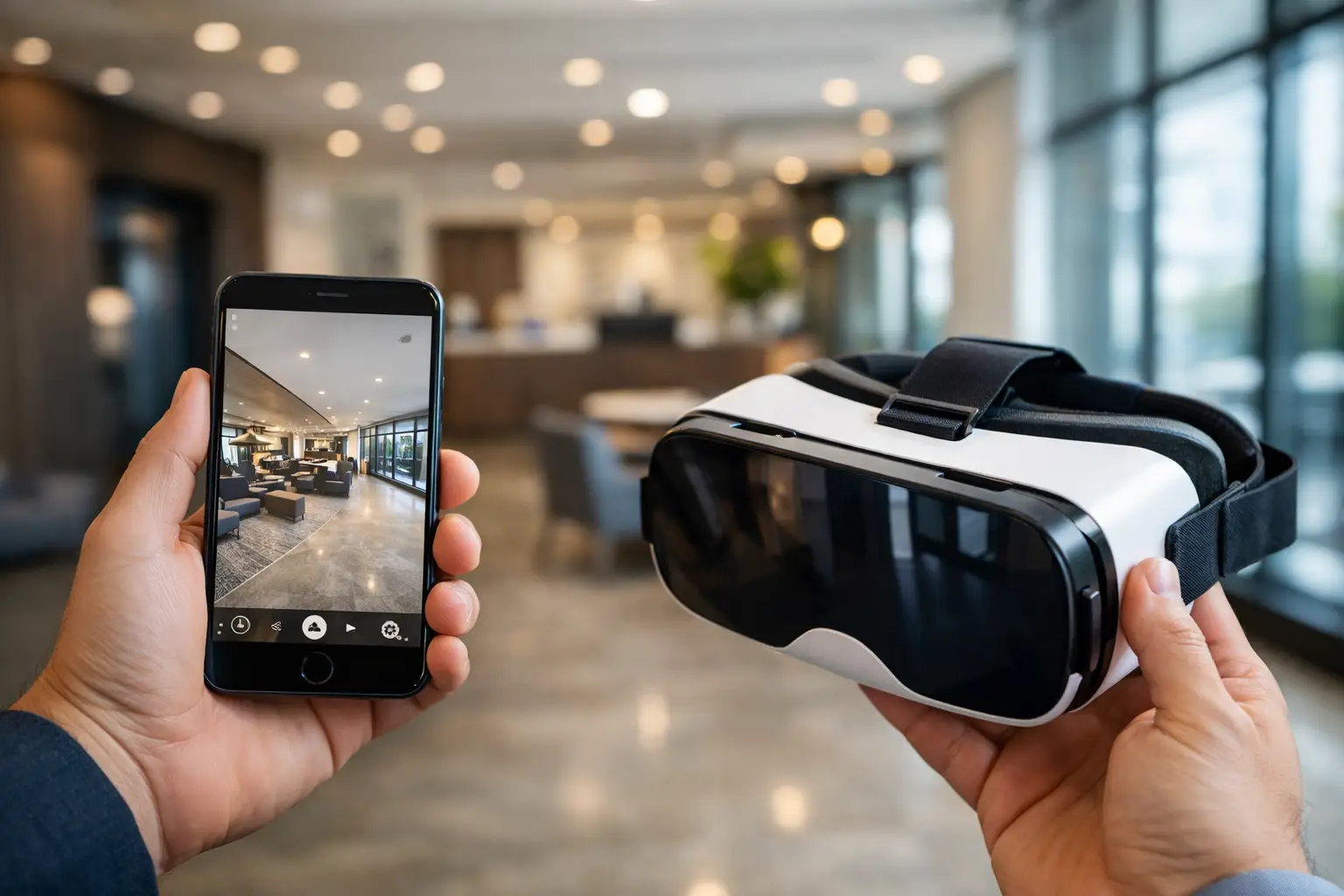
A digital twin or 360 virtual tour allows a prospect to move through the environment, revisit details, and develop a more realistic sense of what they will experience. For a property marketer, that can mean better-qualified inquiries. For a hotel operator, it can mean fewer booking questions and stronger confidence among international guests. For a facility manager, it may mean remote access to a reliable visual record of a site.
The commercial value typically comes from three areas: stronger engagement, more efficient decision-making, and a reusable digital asset. Unlike a one-time campaign image, a well-planned tour can support web listings, sales presentations, stakeholder reviews, training, leasing discussions, and project documentation over time.
That said, not every space needs the same level of immersion. A small, standardized unit with high turnover may benefit from simple 360 imagery. A premium residence, flagship retail store, hotel, industrial site, or complex mixed-use development may justify a deeper digital twin with measurements, tags, floor plans, multimedia, and integration into broader marketing or operational workflows.
Where Virtual Tours Deliver the Strongest Return
Property Sales and Commercial Leasing
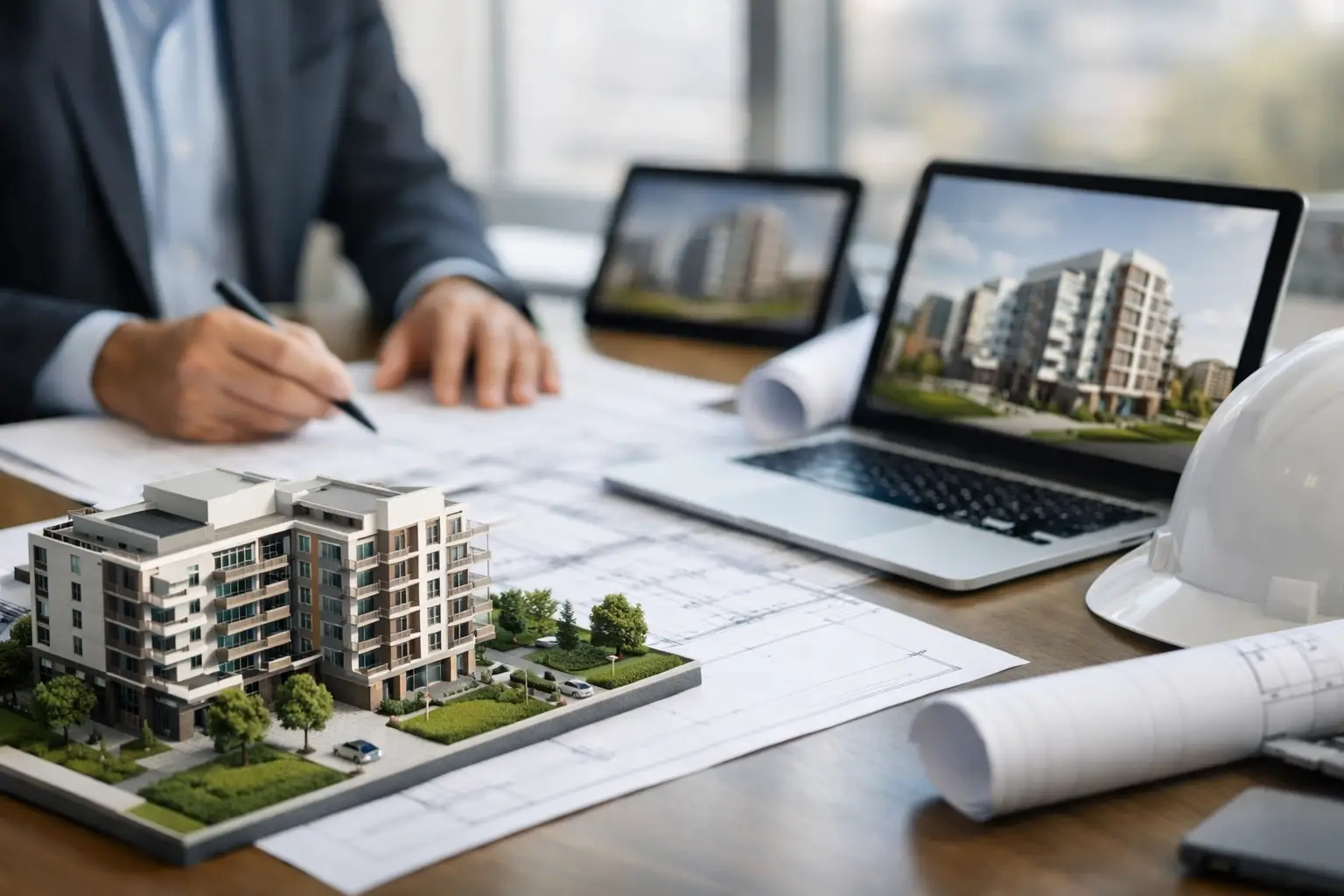
For residential and commercial property, tours help buyers and tenants screen options before arranging a physical viewing. This is not about replacing every site visit. It is about ensuring the visits that do happen are more purposeful.
Prospects can assess room relationships, ceiling height perception, circulation routes, fit-out condition, and the connection between key areas. Leasing teams can use the same asset to guide remote stakeholders through a space, particularly when decision-makers are in different cities or countries. In competitive markets, the ability to present a property clearly before a competitor does can materially affect lead quality and sales velocity.
For developments still under construction, CGI walkthroughs and virtual staging can fill the visibility gap. The key is to distinguish planned visualization from an as-built digital twin so buyers understand exactly what they are viewing.
Hospitality, Tourism, and Venues
A hotel room is not purchased like a commodity. Guests compare views, room layouts, amenities, arrival experience, and the relationship between spaces. A virtual tour can show the route from lobby to room, the scale of a ballroom, the atmosphere of a rooftop venue, or the usability of a conference facility in a way a gallery cannot.
This matters for direct bookings and for group business. Event planners need to assess stage locations, pre-function space, access routes, table configurations, and guest flow before committing. A clear digital experience shortens the back-and-forth that often slows venue selection.
For heritage, tourism, and cultural destinations, virtual access also expands reach. It gives overseas audiences a reason to explore before they travel while creating a useful accessibility layer for people who cannot visit in person.
Retail, Showrooms, and High-Value Assets
Retail brands and automotive showrooms use virtual tours to preserve the experience of discovery online. A visitor can explore product zones, compare finishes, understand brand presentation, and move from inspiration toward an inquiry. The same principle applies to luxury real estate, yachts, and private aviation: high-consideration buyers expect clarity, privacy, and a polished remote experience before they commit time to a live viewing.
The tour should not be treated as a substitute for sales expertise. It works best when it gives sales teams a stronger conversation starter and directs visitors toward a relevant next action, such as requesting a viewing, downloading specifications, or speaking with an advisor.
AEC, Industrial, and Facility Operations
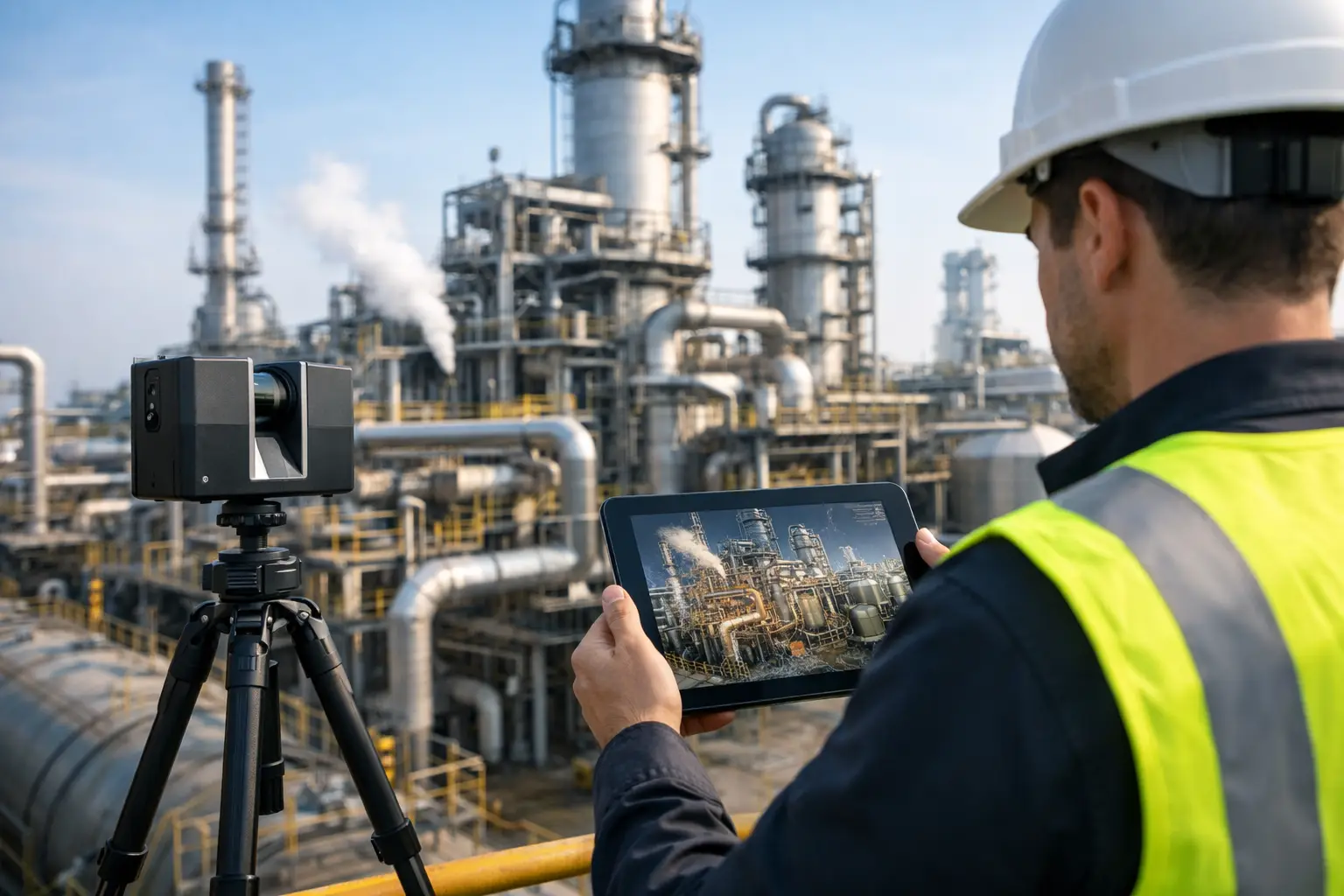
The answer to whether virtual tours are worth it changes when the goal is operational rather than promotional. For AEC, industrial, and facility management teams, spatial capture can become a working reference for existing conditions, renovation planning, progress communication, remote inspections, maintenance coordination, and asset discussions.
A Matterport-style digital twin may be useful for fast visual navigation, while LiDAR scanning and Scan-to-BIM workflows are more appropriate when dimensional accuracy, deliverable standards, or engineering coordination are required. These are related capabilities, but they are not interchangeable. Choosing the correct capture method protects both the budget and the usefulness of the final data.
What Determines ROI
The strongest virtual tour projects begin with a decision, not a camera. Ask what the experience needs to improve: lead qualification, remote approvals, booking conversion, leasing velocity, stakeholder alignment, or site documentation. That objective determines the right scope.
Capture quality has a direct effect on perception. Poor lighting, rushed navigation, missing areas, inaccurate representation, or weak mobile performance can reduce trust rather than build it. For premium spaces, photography, drone imagery, virtual staging, and a tour should be planned as one visual system, not commissioned as disconnected deliverables.
Distribution is equally important. A tour hidden on an internal page will not create the same return as one used in property portals, sales proposals, email campaigns, QR codes at events, social content, and direct stakeholder presentations. Teams should also monitor practical signals: tour views, time spent exploring, inquiry quality, viewing-to-lead rates, site-visit conversion, and feedback from sales staff.
Finally, consider asset lifespan. A tour delivers more value when it remains current and can serve multiple departments. If the layout, fit-out, or inventory will change within weeks, a full production may need a phased approach. If the space is stable for a year or more, the opportunity for reuse is much stronger.
When a Virtual Tour May Not Be the Right Investment
Virtual tours are not automatically the best answer. If a space is visually simple, frequently changing, or unlikely to influence a buyer’s decision, high-end spatial capture may exceed the likely return. The same is true when a business has no plan to use the asset beyond a single listing.
There are also practical limits. A tour cannot reproduce scent, acoustics, service quality, neighborhood energy, or the full emotional impact of standing in a space. It should strengthen the physical experience, not make unrealistic promises about replacing it.
In these situations, professional photography, a short video, aerial imaging, floor plans, or targeted CGI may be the more efficient choice. The right question is not whether immersive content is fashionable. It is which visualization format removes the most friction from the buyer or stakeholder journey.
Choosing the Right Level of Immersion
A basic 360 tour is suitable when the priority is straightforward online exploration. A digital twin becomes more compelling when users need to navigate complex spaces, share a common visual reference, or access embedded information. LiDAR and Scan-to-BIM add another layer when measurements and accurate as-built data support design, construction, insurance, or facility decisions.
For many commercial projects, the best result is a combined approach. Drone imagery establishes location and scale. Photography handles key visual moments. A virtual tour explains spatial flow. Data-rich digital twin features support deeper evaluation. This gives audiences the right level of detail without forcing every use case into one format.
The most effective projects are designed around the user journey. A buyer needs confidence. A tenant needs comparison. A project team needs clarity. An operator needs access to trustworthy spatial information. When the digital experience answers those needs, it becomes more than marketing content.
A virtual tour earns its place when it helps the right person make a better decision before they enter the building. Start with the decision you need to improve, then build the spatial experience around it.