
An empty living room rarely communicates value. It shows dimensions, but not lifestyle. Buyers scroll past vacant listings every day because blank rooms ask them to do too much work – imagine the layout, judge the scale, and picture how the space might feel once furnished.
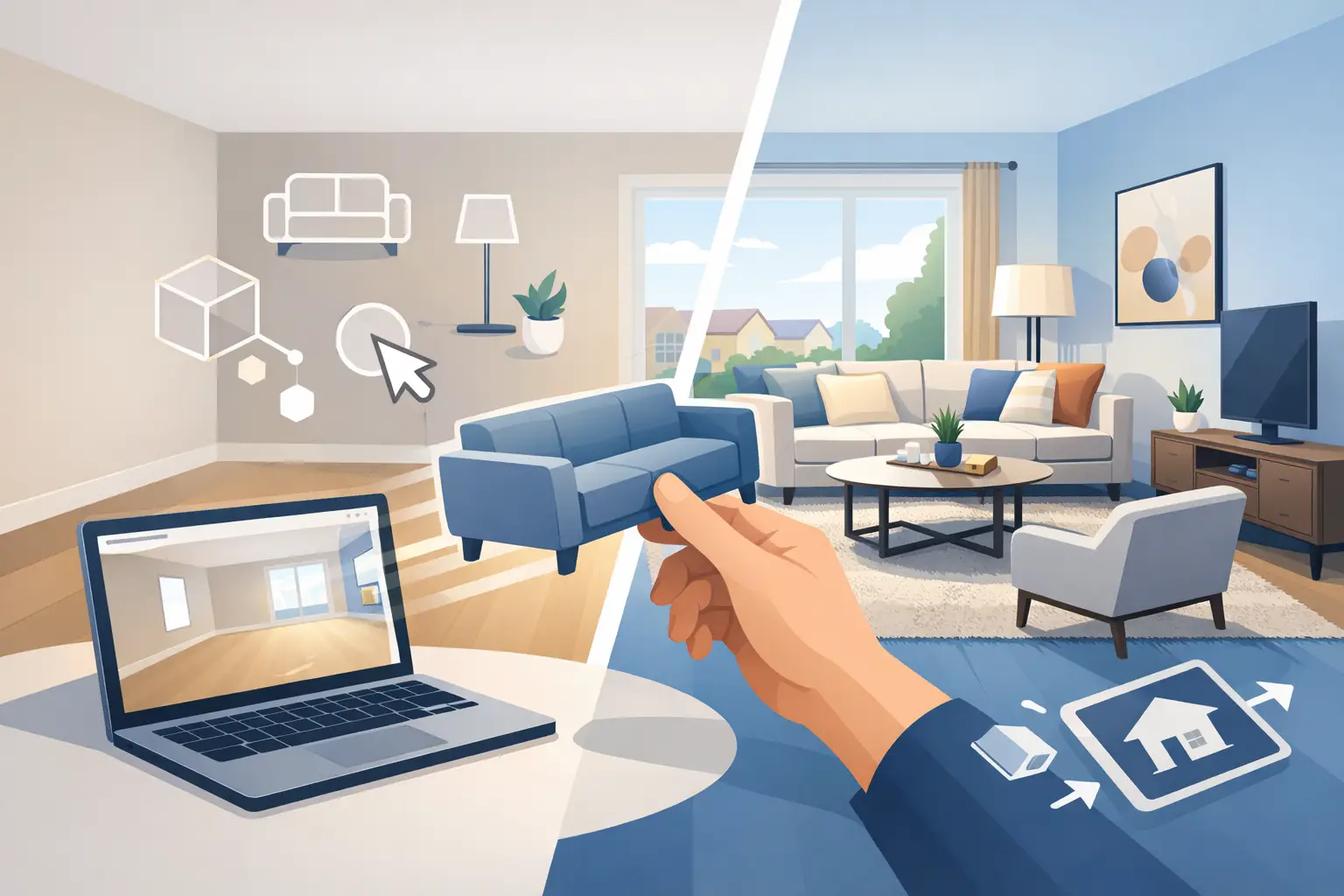
That is where virtual staging for vacant homes changes the sales conversation. Instead of presenting an unfinished impression, agents, developers, and property marketers can turn bare interiors into polished, intentional environments that help buyers understand the space faster and respond to it with more confidence.
Why vacant homes underperform online
Most property decisions now begin on a screen. That shifts the job of listing visuals from simple documentation to active persuasion. A vacant home may be clean, well-designed, and structurally sound, but if it appears cold or difficult to interpret, it often loses momentum before a viewing is even booked.
The challenge is not only aesthetic. Empty rooms tend to look smaller in photographs, and buyers frequently struggle to judge function. An open area that could work well as a family lounge, dining zone, or work-from-home setup may register as awkward or undefined when left bare. In higher-value or competitive markets, that gap in perception can directly affect inquiry volume and time on market.
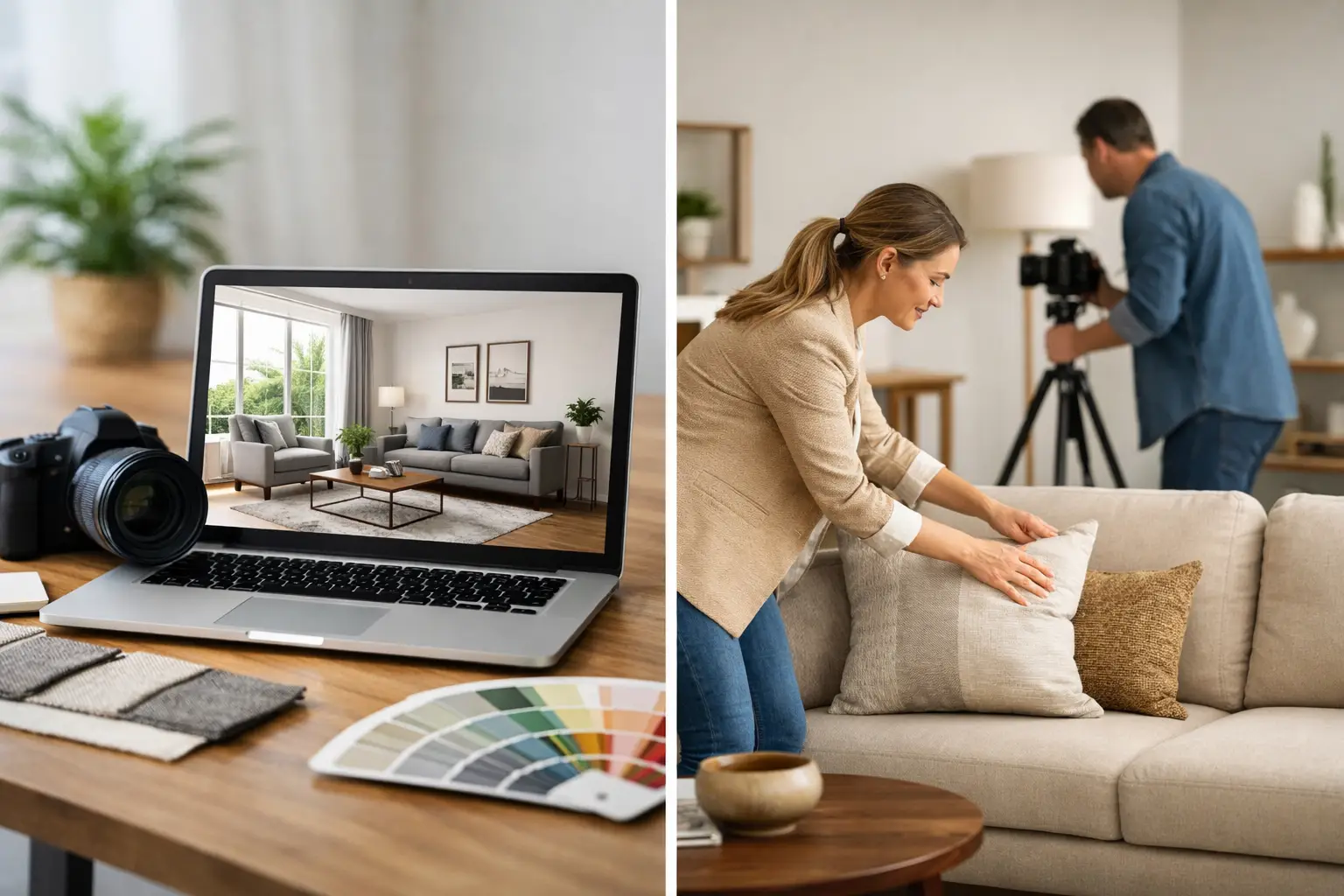
Virtual staging addresses this problem by adding realistic, purpose-driven furniture and decor to property images. Done properly, it does more than make a room look attractive. It gives structure to the layout, creates emotional context, and helps prospects understand how the home supports the way they want to live.
What virtual staging for vacant homes actually delivers
At a basic level, virtual staging replaces emptiness with visual clarity. But the commercial value goes further than decoration.
For agents and developers, staged visuals increase listing appeal across portals, brochures, social campaigns, and presentation decks. For remote buyers or investors, they reduce friction during early evaluation. For premium or newly completed units, they provide a market-ready finish without the cost and logistics of installing physical furniture across multiple properties.
That makes virtual staging especially useful for new developments, unsold inventory, show units not yet fitted out, and resale homes that have already been vacated. In these cases, speed matters. Physical staging can take days or weeks to coordinate, while digital staging can support faster campaign launches and more flexible marketing updates.
There is also a scalability advantage. A property marketer managing multiple units can tailor visuals for different buyer profiles without physically restaging each space. The same bedroom can be presented as a child’s room, a guest suite, or a home office depending on the target segment. That kind of adaptability is difficult to achieve with traditional staging alone.
When virtual staging works best
Virtual staging is most effective when the property already has strong fundamentals. Good architecture, clean finishes, natural light, and quality photography all matter. The technology does not fix poor composition or conceal a weak product. It works best when it builds on accurate, high-quality imagery and positions the space more clearly.
This is why image capture and staging should not be treated as separate decisions. If the photography is flat, distorted, or poorly lit, even well-rendered furniture will feel unconvincing. A more strategic approach starts with strong spatial documentation, then applies staging styles that support the property’s price point and audience.
For example, a compact urban condo may benefit from light, modern furniture that emphasizes openness and functionality. A landed home aimed at family buyers may need warmer styling that defines shared living areas and bedroom use more clearly. A luxury property requires restraint. Over-staging can reduce credibility just as quickly as under-staging can reduce appeal.
Virtual staging vs physical staging
The comparison is not always either-or. It depends on the property, budget, timeline, and sales objective.
Physical staging still has value for flagship units, premium launches, and in-person inspections where tactile experience matters. Buyers walking through a professionally staged home often connect with scale and flow more immediately. For certain campaigns, especially where foot traffic is expected, that can justify the investment.
Virtual staging, however, often delivers stronger efficiency for digital-first marketing. It costs less, can be deployed faster, and allows more creative control across multiple room concepts. It is also practical when units are occupied by tenants until handover, when furniture installation is not feasible, or when several nearly identical units need different visual treatments for separate campaigns.
For many marketing teams, the most effective strategy is a hybrid one. Use physical staging selectively where it drives inspection performance, and use virtual staging across broader inventory to improve online visibility and campaign speed.
What makes staged images believable
Believability is the line between marketing enhancement and buyer skepticism. The most effective virtual staging is not flashy. It is proportionate, context-aware, and technically precise.
Furniture must match the room’s dimensions and camera angle. Lighting, shadows, reflections, and perspective need to align with the original image. Materials should suit the finishes already present in the property. A sleek contemporary sofa may work in a glass-heavy penthouse, but it will look out of place in a heritage-style home with warmer architectural cues.
The other factor is restraint. Overfilling a room to create impact usually backfires. Buyers want help interpreting space, not visual clutter. Strategic staging leaves enough room for the architecture to remain the hero.
This is where a visualization partner with broader spatial expertise has an advantage. Teams experienced in digital twins, 3D capture, and property visualization understand how people read space, not just how to decorate an image. That distinction matters because the goal is not simply prettier photos. It is better decision support.
How virtual staging supports faster decisions
Property marketing is often measured by response time, inquiry quality, and progression to viewing or negotiation. Virtual staging influences all three.
First, it helps listings earn attention in crowded marketplaces where the initial decision to click is visual. Second, it improves comprehension once a buyer lands on the listing. Rooms feel intentional rather than ambiguous. Third, it supports better alignment between the property and the buyer’s expectations, which can reduce low-intent inquiries.
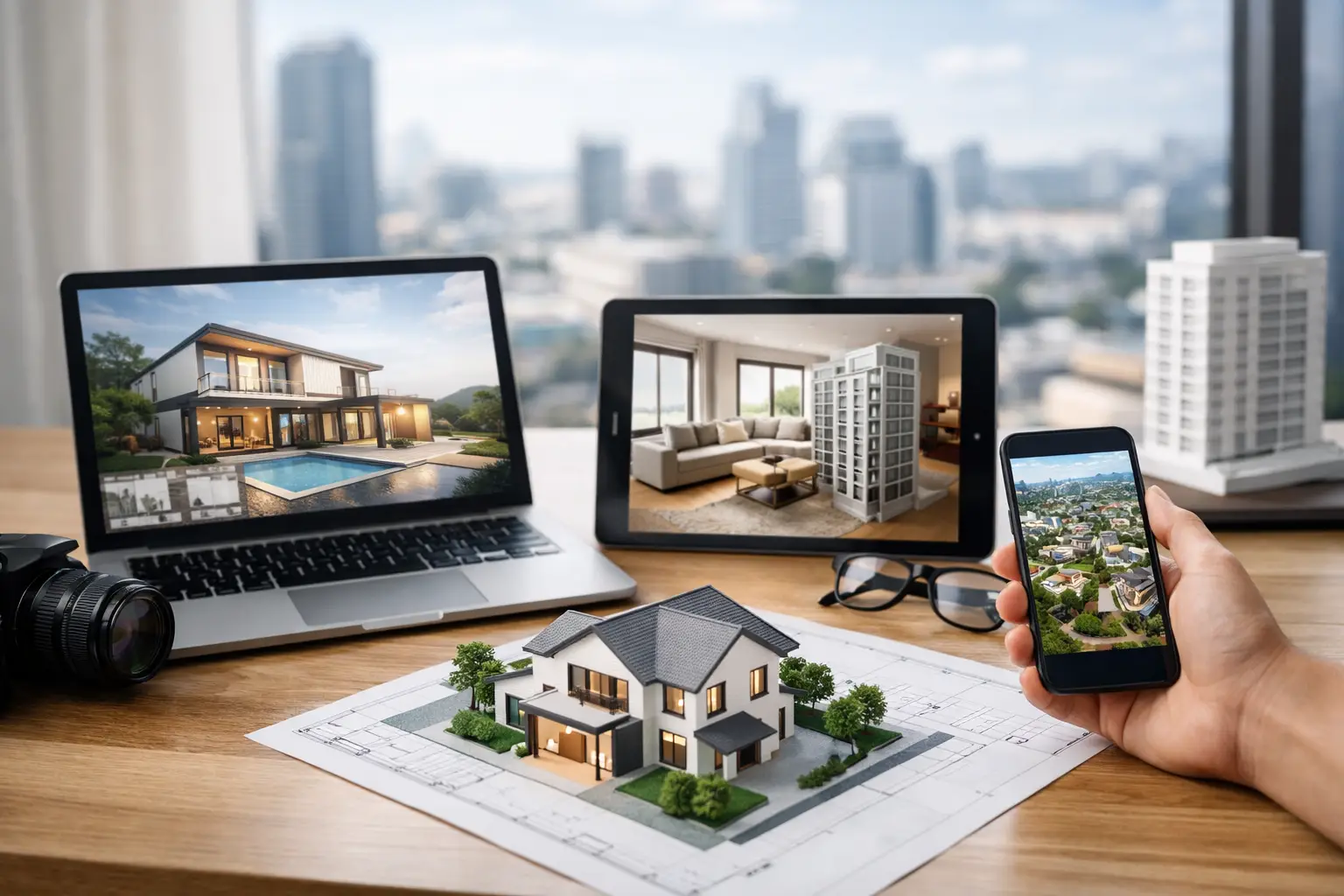
This becomes even more valuable when paired with immersive assets such as 360 virtual tours, drone imagery, or digital twins. A staged hero image may generate the click, but a richer digital experience keeps prospects engaged and gives stakeholders more confidence to shortlist, share, and act. For overseas buyers, investor groups, and regional decision-makers, that can shorten the path from interest to serious conversation.
Common mistakes to avoid
The biggest mistake is treating virtual staging as cosmetic editing rather than strategic positioning. If the style does not match the target market, the images may look polished but still fail commercially. A family-oriented suburban home marketed with ultra-minimal furniture can feel emotionally flat. A premium condo staged too casually can weaken perceived value.
Another issue is inconsistency. If one image is staged in a Scandinavian style and the next room feels like a different property, the presentation loses coherence. Buyers may not consciously identify the problem, but they will notice the disconnect.
There is also a compliance consideration. Staged images should remain honest representations of the property. They should not alter structural elements, hide defects, or create false expectations about finishes or included furnishings. Clear, credible marketing performs better over time because it builds trust, not just clicks.
Choosing the right approach for your portfolio
Not every listing needs the same staging treatment. A resale condominium may only need the living room and master bedroom staged to transform the listing. A developer launch may require a more systematic visual package across multiple units and channels. A commercial space may benefit from light conceptual staging to demonstrate fit-out potential rather than residential warmth.
The right decision starts with the commercial objective. Are you trying to increase listing engagement, improve presales presentation, support overseas marketing, or reduce the drag caused by empty inventory? Once that is clear, the visual strategy becomes easier to define.
In Southeast Asian markets where cross-border inquiries, mobile-first browsing, and fast campaign turnaround are increasingly common, virtual staging offers a practical edge. It helps property teams present vacant spaces as finished opportunities rather than unfinished questions.
A vacant home does not need more explanation. It needs clearer visual evidence of what it can become. When virtual staging is executed with precision and aligned to the buyer profile, it turns empty square footage into a more persuasive sales asset – and that is often what moves the conversation forward.