A show unit should do more than look impressive during a scheduled viewing. It should answer buyer questions, create confidence in the development, and move qualified prospects closer to a booking. Learning how to market show units means treating the space as a high-value sales asset, then extending its reach beyond the people who can visit it in person.
For developers, property marketers, hospitality operators, and commercial leasing teams, the challenge is rarely a lack of imagery. The challenge is giving prospects enough spatial context to understand layout, finish quality, views, amenities, and lifestyle value before their attention moves elsewhere. The strongest campaigns combine physical presentation with digital access, targeted distribution, and a clear follow-up path.
Start With the Commercial Job of the Show Unit
Before selecting a camera, building a landing page, or launching paid ads, define what the show unit must achieve. A luxury condominium unit may need to build emotional appeal and justify a premium price point. A commercial suite may need to demonstrate workflow, fit-out potential, and accessibility. A hotel room mock-up may need to support group sales, direct bookings, or investor presentations.
This distinction affects every marketing decision. A campaign focused on first-time buyers may prioritize affordability cues, storage, practical layouts, and financing conversations. A campaign for overseas investors may prioritize remote access, project credibility, location context, and a fast route to a sales consultation.
The show unit is not the product by itself. It is evidence of what the completed product will feel like. Marketing should make that connection explicit, without promising details that may change during construction. Accuracy protects trust, especially in high-consideration sales where buyers compare multiple projects before committing.
Prepare the Space for Capture, Not Just Viewing
A well-designed show unit can still underperform online if it is captured without a plan. Styling should communicate the intended buyer profile, but it should not conceal important dimensions, circulation routes, windows, or storage areas. Prospects need aspiration and clarity.
Begin by reviewing the space from the buyer’s perspective. Is the entrance easy to understand? Does each room have a defined purpose? Are sightlines toward key features clear? Have distracting temporary signs, cables, personal items, and inconsistent lighting been removed? Small details influence perceived quality in photography, video, and virtual tours.
Where a unit is compact, avoid excessive furniture that makes rooms appear smaller. Where the development targets families, demonstrate realistic use of bedrooms, kitchens, and living spaces rather than staging every room as a decorative scene. For commercial show units, include enough workplace or retail context to make the floor plan feel operational.
Capture Multiple Layers of Visual Proof
Static photographs remain useful for advertisements, brochures, listing portals, and social media. They are fast to consume and can establish a strong first impression. But they do not answer the questions that often stop a lead from progressing: How does the living room connect to the kitchen? Is there enough clearance around the bed? What is the experience of moving from the lobby to the unit?
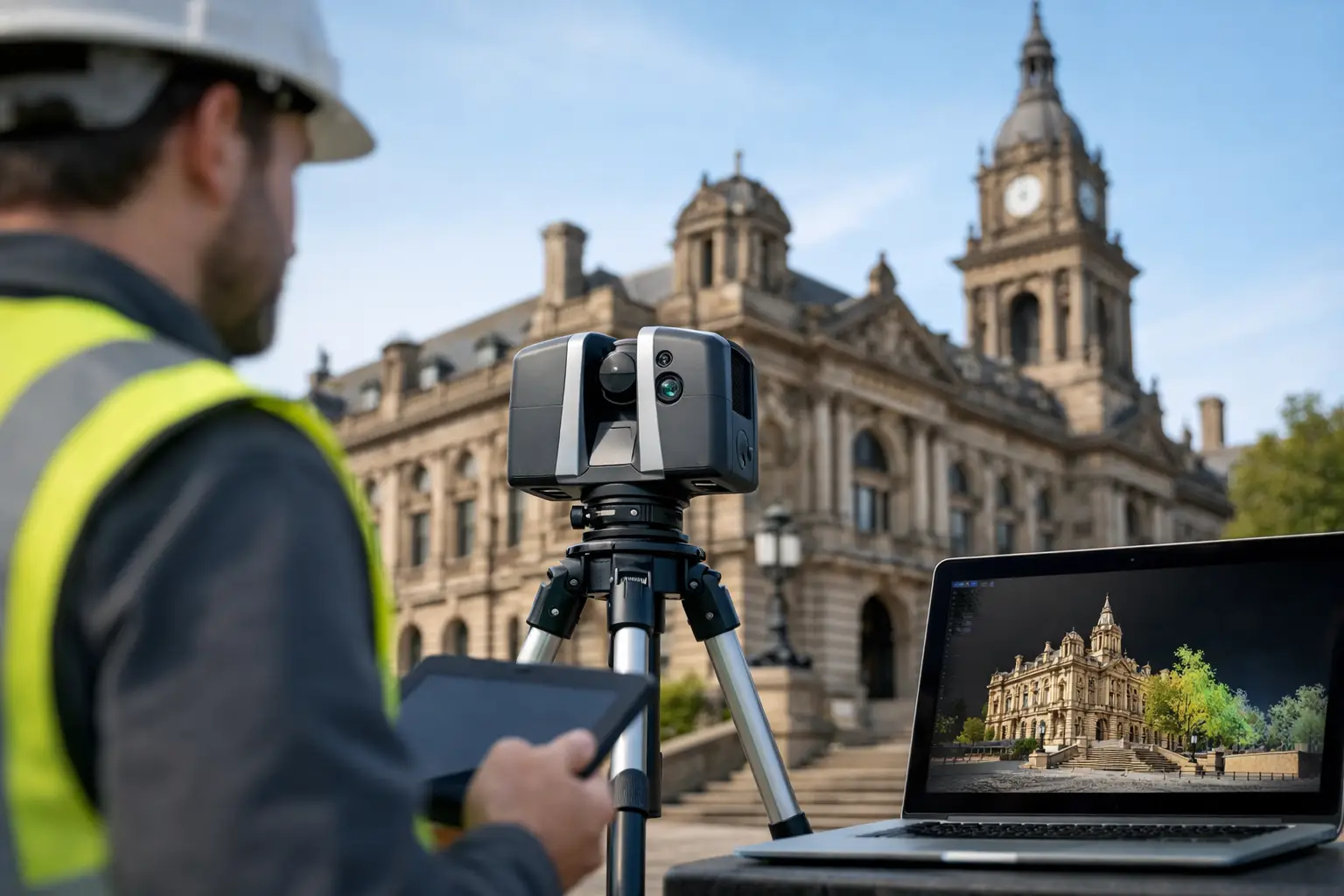
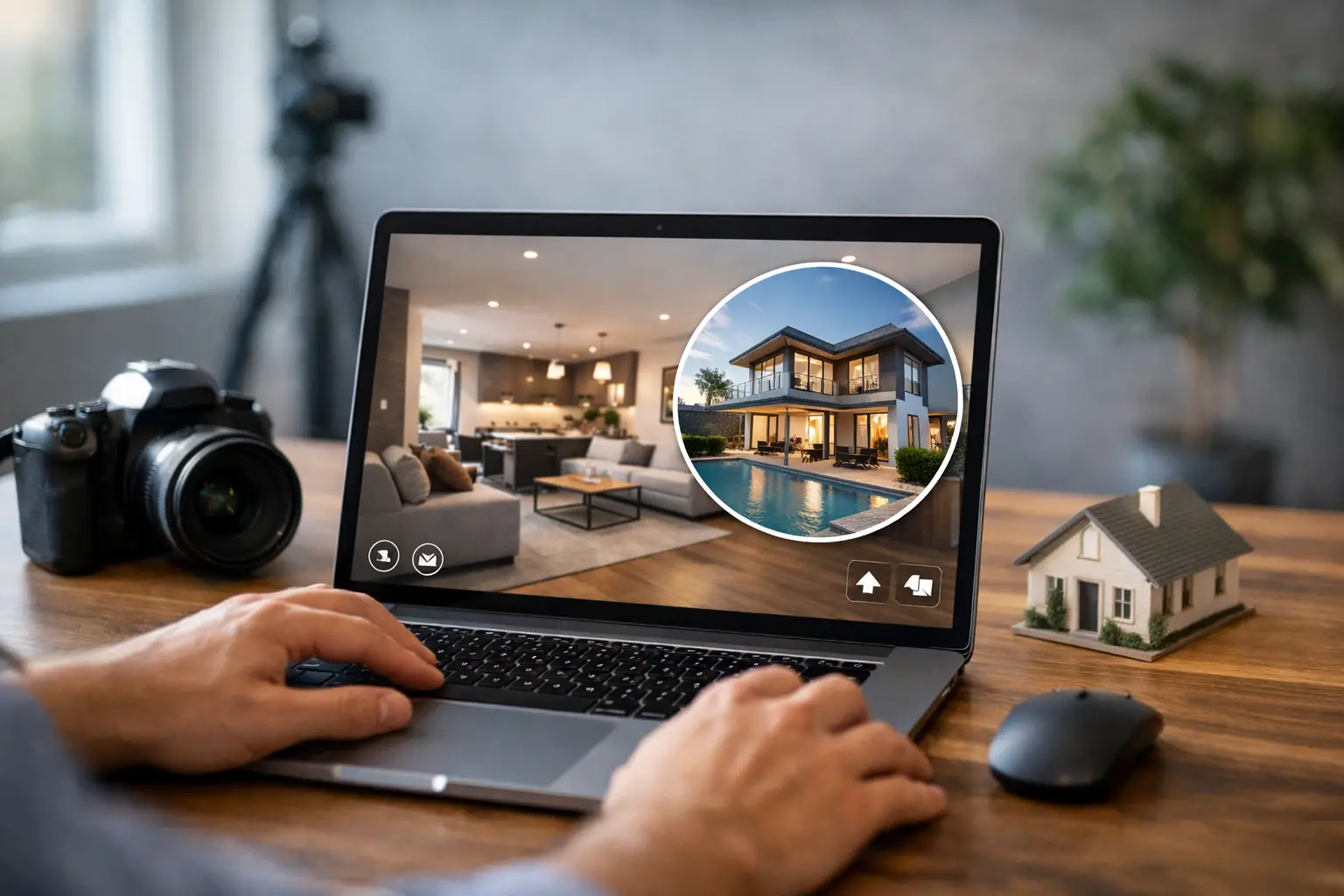
A 360 virtual tour or Matterport digital twin adds that missing spatial understanding. Buyers can explore at their own pace, revisit specific areas, and share the experience with family members or decision-makers who were not present at the first viewing. For regional and international buyers, this can reduce the friction of arranging an initial site visit.
The best asset mix usually includes professional interior photography, a guided walkthrough video, a digital twin, and aerial imagery where the surrounding location adds value. Drone photography can place the show unit within the broader development story by showing connectivity, nearby amenities, waterfront access, green space, or business districts.
CGI and virtual staging are particularly valuable when not every unit type is physically available. They allow teams to present multiple layout options, furnishing styles, or future phases while keeping the campaign visually consistent. The trade-off is that CGI must be clearly managed against approved specifications. A highly polished render can generate interest, but it can also create objections if the delivered space does not reflect the advertised material, layout, or view.
Build a Digital Journey Around the Unit
Knowing how to market show units effectively requires more than publishing visuals across every channel. Each campaign should lead to a dedicated digital destination where prospects can understand the offer and take the next action.
A project landing page should make the show unit easy to access while maintaining sales focus. Feature the virtual tour prominently, then support it with unit types, key specifications, location highlights, available appointment options, and a clear inquiry form. Avoid sending paid traffic to a general corporate page where visitors must search for the project themselves.
For higher-value developments, offer two paths. The first is self-service exploration through a virtual tour, video, floor plans, and downloadable information. The second is assisted engagement through a live virtual viewing or private appointment. Some prospects want to browse anonymously before speaking to a sales representative; others want answers immediately. A good digital journey accommodates both.
Interactive features should serve a commercial purpose. Hotspots can explain finishes, appliances, smart-home features, or upgrade options. Embedded floor plans can help viewers orient themselves. Measurement tools may be useful for commercial occupiers assessing furniture placement or operational suitability. Do not add interactive elements simply because the technology is available. Too many prompts can distract from the space.
Target Campaigns by Buyer Intent
A show-unit campaign should not use identical messaging for every audience. Segmenting by intent makes the creative more relevant and improves the quality of inquiries.
For example, social ads can use short vertical videos to introduce the atmosphere of the unit and retarget viewers with a virtual-tour invitation. Search-led campaigns can address high-intent queries related to unit type, location, or development category. Email campaigns can send existing leads a newly launched virtual tour, a specific layout walkthrough, or an invitation to a private preview.
Sales teams should also use the assets after the initial inquiry. Instead of sending a generic brochure, they can share a direct virtual-tour entry point tied to the prospect’s preferred unit type. If a buyer asks about a two-bedroom layout, send the two-bedroom experience, a relevant floor plan, and a concise next step. This keeps the conversation specific and helps identify whether the prospect is actively evaluating the project.
For developments marketed across Southeast Asia, digital access is especially valuable. A prospect in Singapore, Jakarta, Bangkok, or another market may not travel for an early-stage viewing, yet may still be a serious buyer. A detailed, professionally captured show unit enables earlier remote decision-making and helps the local sales team reserve physical appointments for the prospects most likely to convert.
Measure Engagement That Signals Purchase Interest
Views alone are not a reliable measure of show-unit marketing performance. A short social video can generate large reach while producing little meaningful demand. Track engagement that reflects evaluation behavior.
Useful indicators include virtual-tour visits, average exploration time, repeat visits, viewed rooms, form completions, appointment requests, and the percentage of leads that progress to a physical viewing or sales consultation. Compare these signals by traffic source, unit type, audience segment, and campaign creative.
If viewers leave a tour quickly, the issue may be targeting, page load speed, or a weak opening scene. If they spend time exploring but do not inquire, the campaign may need clearer pricing guidance, stronger calls to action, or better alignment between the unit experience and the offer. If inquiry volume rises but appointment attendance falls, qualify leads more carefully before booking the sales gallery.
This is where a digital twin becomes more than a visual feature. It can become a measurable sales-enablement asset, showing which areas of the space attract attention and where buyers need more information. Over time, those insights can improve staging, sales scripts, future unit design, and campaign investment.
When Physical Viewings Still Matter
Digital experiences do not replace every in-person visit. Buyers often want to assess material finishes, ambient sound, ceiling height, surrounding traffic, and the feel of the location before making a final commitment. The goal is not to eliminate physical showings. It is to make each one more productive.
Use virtual access to educate and qualify prospects before they arrive. By the time they enter the show unit, they should already understand the basic layout and have questions that a sales consultant can answer with confidence. This creates a more focused appointment and a better use of the team’s time.
A well-marketed show unit gives prospects a reason to imagine ownership before they schedule a visit. Build the digital experience with the same care as the physical space, and every viewing can begin with a more informed, more engaged buyer.