
A guest is deciding between three hotels on the same street. Rates are close. Reviews are similar. Amenities overlap. The difference often comes down to confidence – and a 360 virtual tour for hotels gives that confidence faster than a gallery ever can.
Static photos can suggest atmosphere, but they rarely answer the guest’s real question: what will it actually feel like to stay here? For hotel operators, that gap matters. It affects booking intent, group sales, event inquiries, and how effectively a property stands apart in a crowded market. A well-executed virtual tour turns the hotel from a set of images into a navigable space, which changes how people evaluate it.
Why a 360 virtual tour for hotels works
Hotels are selling more than rooms. They are selling layout, flow, ambiance, views, and trust. A guest booking a leisure stay wants reassurance that the room matches expectations. A corporate travel planner wants to assess meeting facilities without waiting for an on-site visit. A wedding client wants to understand how the ballroom connects to reception areas, guest rooms, and arrival points.
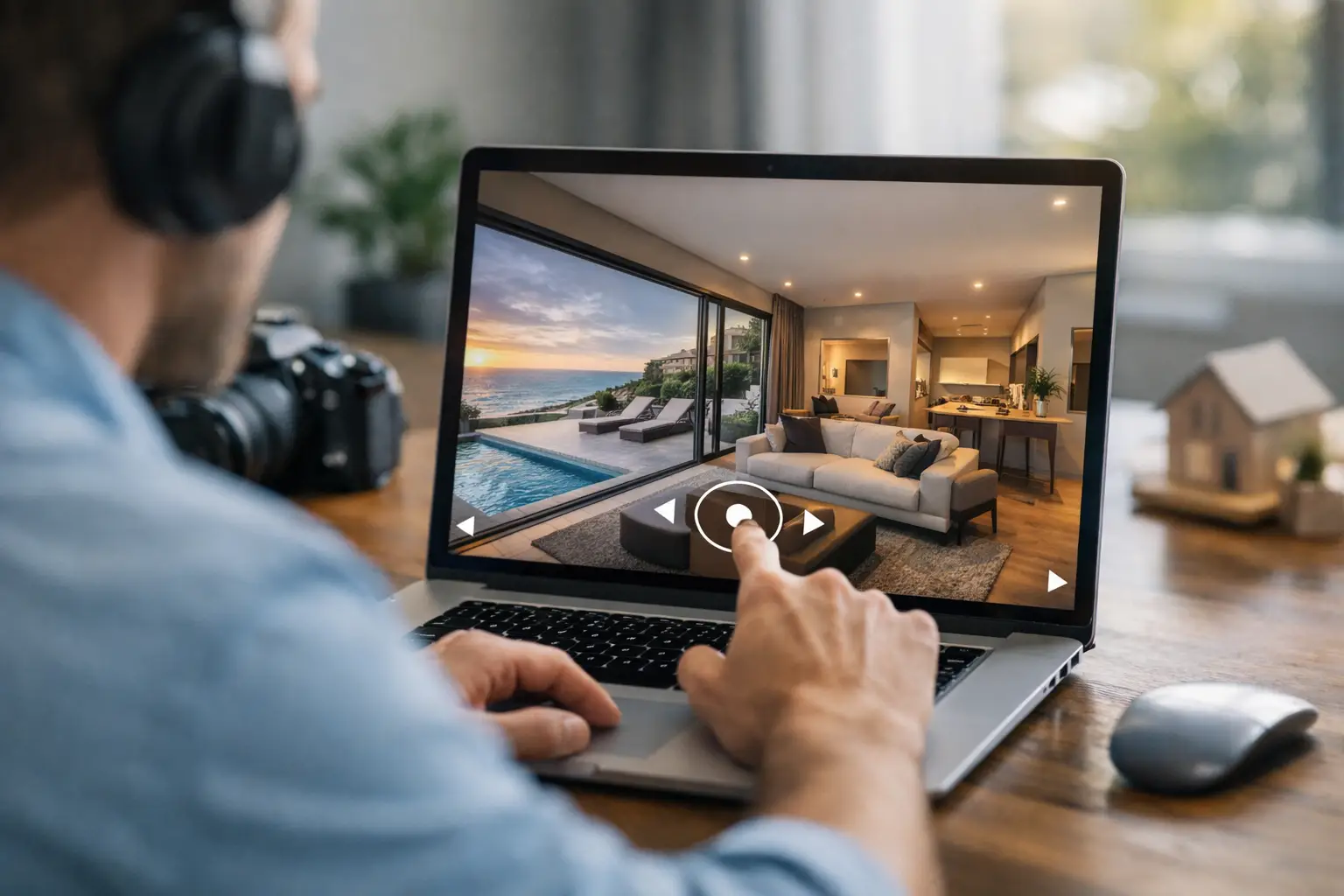
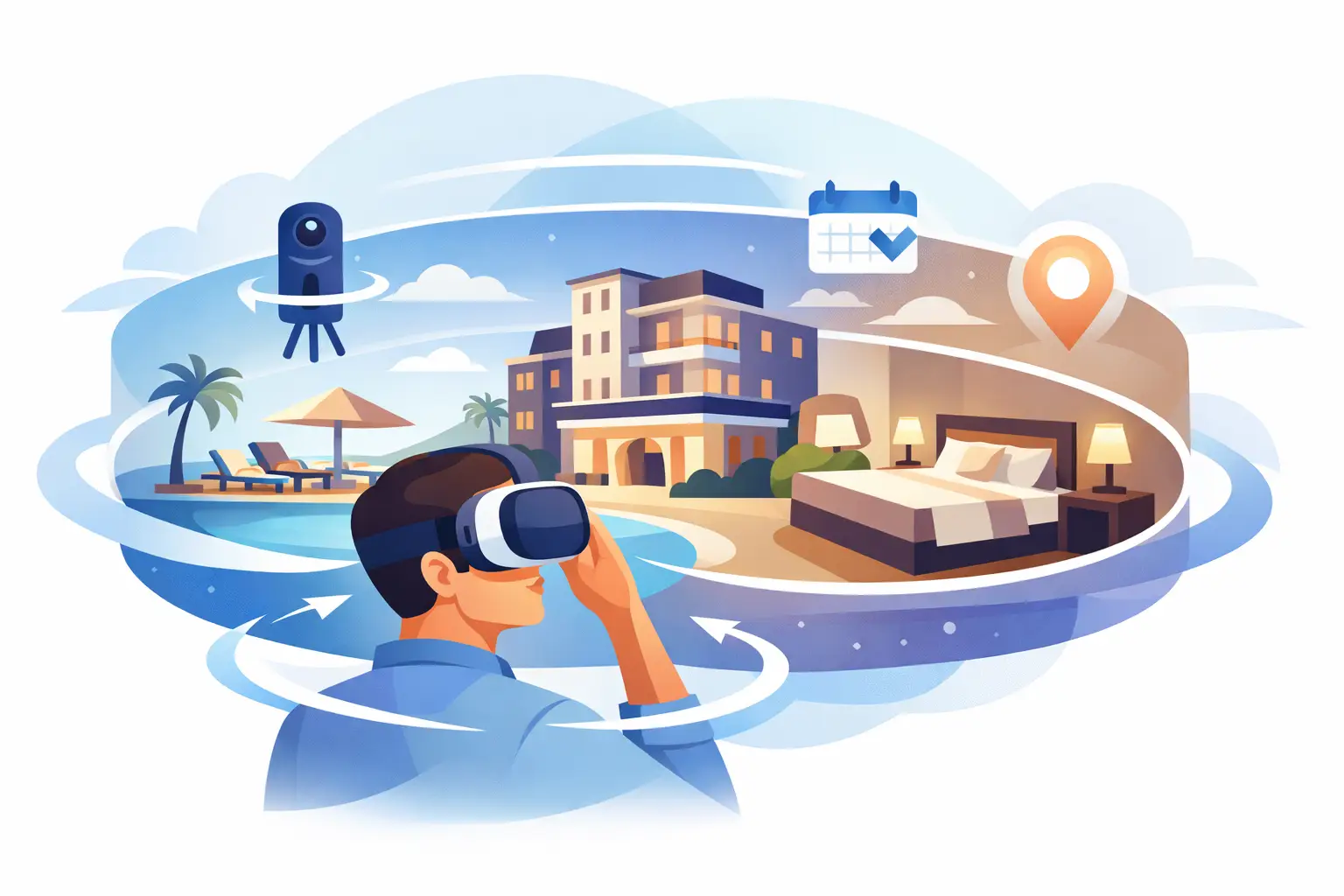
That is where immersive viewing performs better than static media alone. A 360 tour gives users control. They can move through the lobby, inspect room types, evaluate pool areas, and understand how public spaces connect. That sense of spatial clarity reduces uncertainty, which is one of the biggest barriers to conversion in hospitality.
There is also a commercial advantage that goes beyond marketing polish. Better-qualified inquiries save time for sales teams. Guests who have already explored the property tend to ask more specific questions. Event and group prospects arrive with a clearer understanding of suitability. The conversation moves forward faster because the first layer of explanation has already happened digitally.
What hotels gain beyond better visuals
The strongest case for virtual tours is not that they look modern. It is that they support measurable business outcomes.
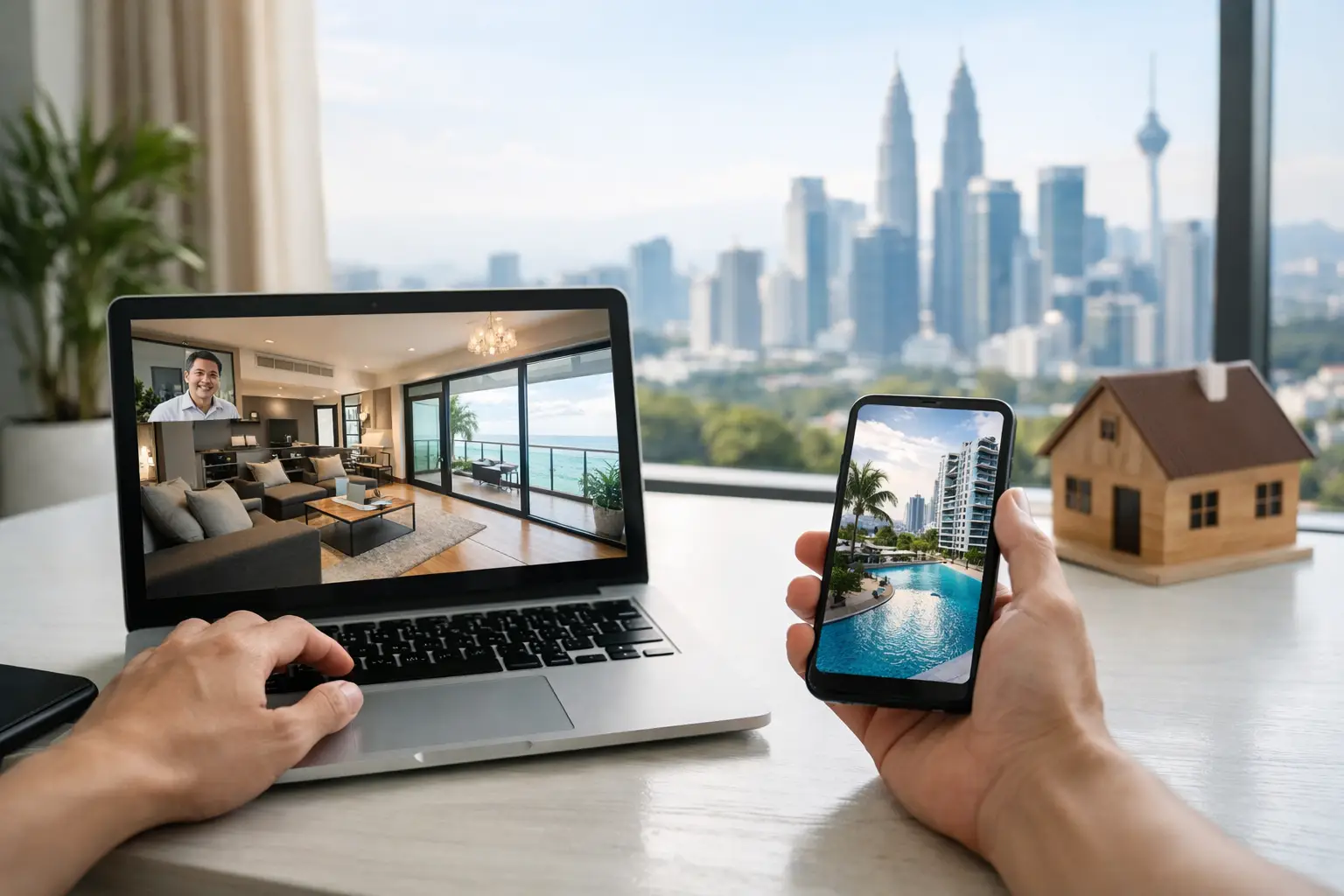
For direct bookings, a tour can keep users engaged longer on the hotel’s own digital channels. When visitors spend more time exploring a property, they are more likely to compare room categories, understand value differences, and commit with fewer doubts. That can support stronger conversion from your own website rather than relying entirely on third-party travel platforms.
For sales and events, the benefit is even more practical. Banquet halls, conference rooms, pre-function areas, restaurants, and rooftop venues are difficult to represent through standard photography. A tour helps planners assess capacity feel, access routes, staging suitability, and guest experience before a site inspection. It does not replace every physical visit, but it can eliminate many low-intent inquiries and accelerate serious ones.
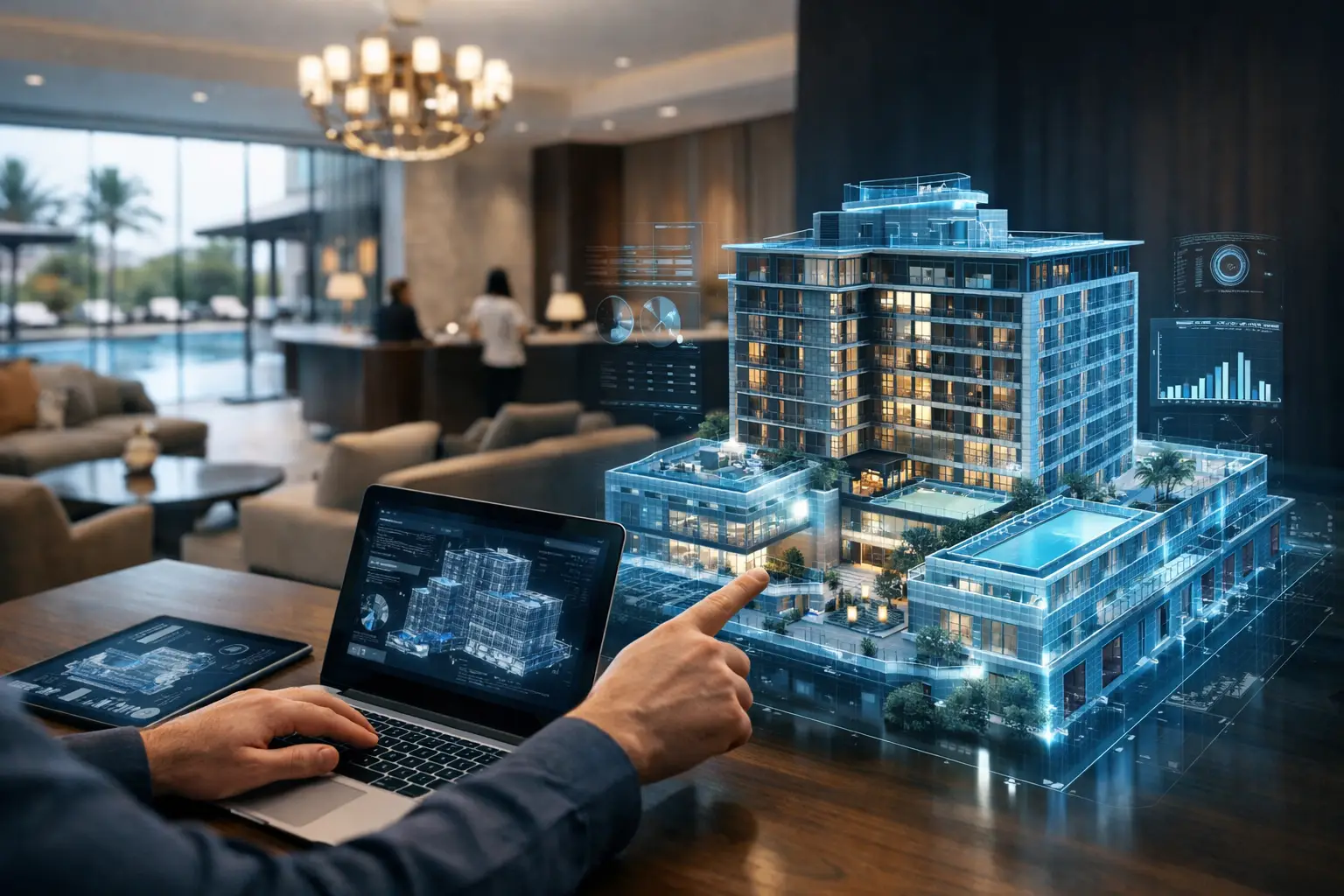
For operations, a high-quality spatial capture can continue to deliver value after launch. Hotels planning refurbishment, brand updates, or multi-stakeholder approvals can use the captured environment as a reference point. This is especially useful for larger properties where remote review and coordination matter.
Where hotels should focus the experience
Not every space needs equal attention. One common mistake is treating the tour as a complete archive rather than a strategic sales tool. The goal is not to capture every corridor just because it exists. The goal is to guide decision-making.
Guest rooms should be a priority, but only if the major categories are distinct enough to affect booking choice. If the deluxe room, suite, and family room each serve different guest needs, each should be represented clearly. Public areas matter just as much because they shape first impressions – lobby, reception, lounge, breakfast area, pool deck, spa, and fitness spaces often influence perception of overall quality.
For business hotels and resorts, event spaces deserve a dedicated structure within the tour. Meeting rooms, ballroom configurations, outdoor event areas, and circulation between spaces are often central to revenue. A planner does not just want to know that a ballroom exists. They want to know how guests arrive, where registration can sit, whether the pre-function area feels cramped, and how the venue connects to accommodation.
The difference between a basic tour and a conversion tool
Not all virtual tours perform equally. A rushed production can create the opposite effect by making the property feel confusing, outdated, or overly staged.
The difference usually comes down to three things: image quality, navigation logic, and information design. Image quality is obvious. If lighting is poor or stitching is distracting, trust drops quickly. Navigation logic is less obvious but just as important. Users should understand where to go next and how spaces connect. If they get lost in repetitive hallways or disconnected viewpoints, engagement falls.
Information design is where many hotels leave value on the table. A strong tour does more than let people look around. It can identify room types, highlight venue capacity, point out signature features, and support specific decisions. For example, a family traveler may want to compare room layouts, while an event planner may need fast access to banquet and breakout areas. The structure should reflect those use cases.
This is where an experienced spatial capture partner adds real value. The work is not just photographing a property. It is translating a physical environment into a digital asset that supports booking, sales, and brand presentation.
360 virtual tour for hotels and digital trust
Hospitality marketing often focuses on desire, but trust is what closes the sale. Guests are increasingly skeptical of visuals that feel selective or over-edited. They want to know whether the hotel matches the promise.
A 360 virtual tour for hotels helps bridge that credibility gap because it gives a fuller view. It lets prospective guests inspect finishes, proportions, lighting, and adjacency in a way that feels harder to manipulate. That does not mean the tour replaces branded photography. It means the two assets play different roles. Photography builds aspiration. The tour builds confidence.
That distinction matters for premium properties especially. Higher room rates bring higher scrutiny. Luxury and upscale guests expect transparency, consistency, and a clear sense of the experience before arrival. A virtual tour can support that expectation without flattening the brand if the production is handled with care.
When it may not be the right investment
There are trade-offs, and this is where the answer depends on the property.
If a hotel is mid-renovation, dealing with inconsistent room conditions, or planning a near-term rebrand, it may make sense to wait until the physical experience is aligned with the positioning. A tour can amplify strengths, but it can also preserve weaknesses with unusual clarity.
Very small properties with limited distinct spaces may also need to think carefully about scope. If the hotel has a simple layout and low reliance on event or premium room sales, the business case may center more on brand differentiation than direct conversion impact. That can still be worthwhile, but expectations should be realistic.
There is also the question of maintenance. If key interiors change frequently, outdated tours can create friction. A useful virtual asset is not a one-time novelty. It should be reviewed as part of the hotel’s broader digital presentation.
What to ask before commissioning a tour
Hotels usually get better outcomes when they define the commercial objective before production starts. Is the main goal to increase direct bookings, support event sales, improve international visibility, or help corporate decision-makers review spaces remotely? The answer affects capture scope, navigation structure, and which areas deserve the most emphasis.
It also helps to think beyond the marketing team. Sales, revenue, operations, and even property management may all benefit from the same digital twin or virtual environment when it is planned properly. That broader use case can strengthen the return on investment.
For hotel groups and regional operators in markets such as Malaysia and Singapore, this can be especially useful when stakeholders are spread across locations. A properly built spatial asset supports remote review, brand alignment, and faster approvals while still serving front-end marketing goals.
Novo Reperio approaches this kind of work as a business tool, not just a media deliverable. That distinction matters because hotels do not need more content for content’s sake. They need digital assets that help people decide.
The real standard is clarity
The best hotel marketing reduces uncertainty without reducing appeal. That is why virtual tours have become more relevant, not less. Travelers want fewer surprises. Event clients want faster evaluation. Sales teams want stronger leads. A hotel that can present its spaces with clarity gains an advantage before the first inquiry is even answered.
If your property is hard to understand through photos alone, that is usually the signal. The question is not whether a virtual tour looks impressive. The question is whether it helps the right guest say yes with more confidence.