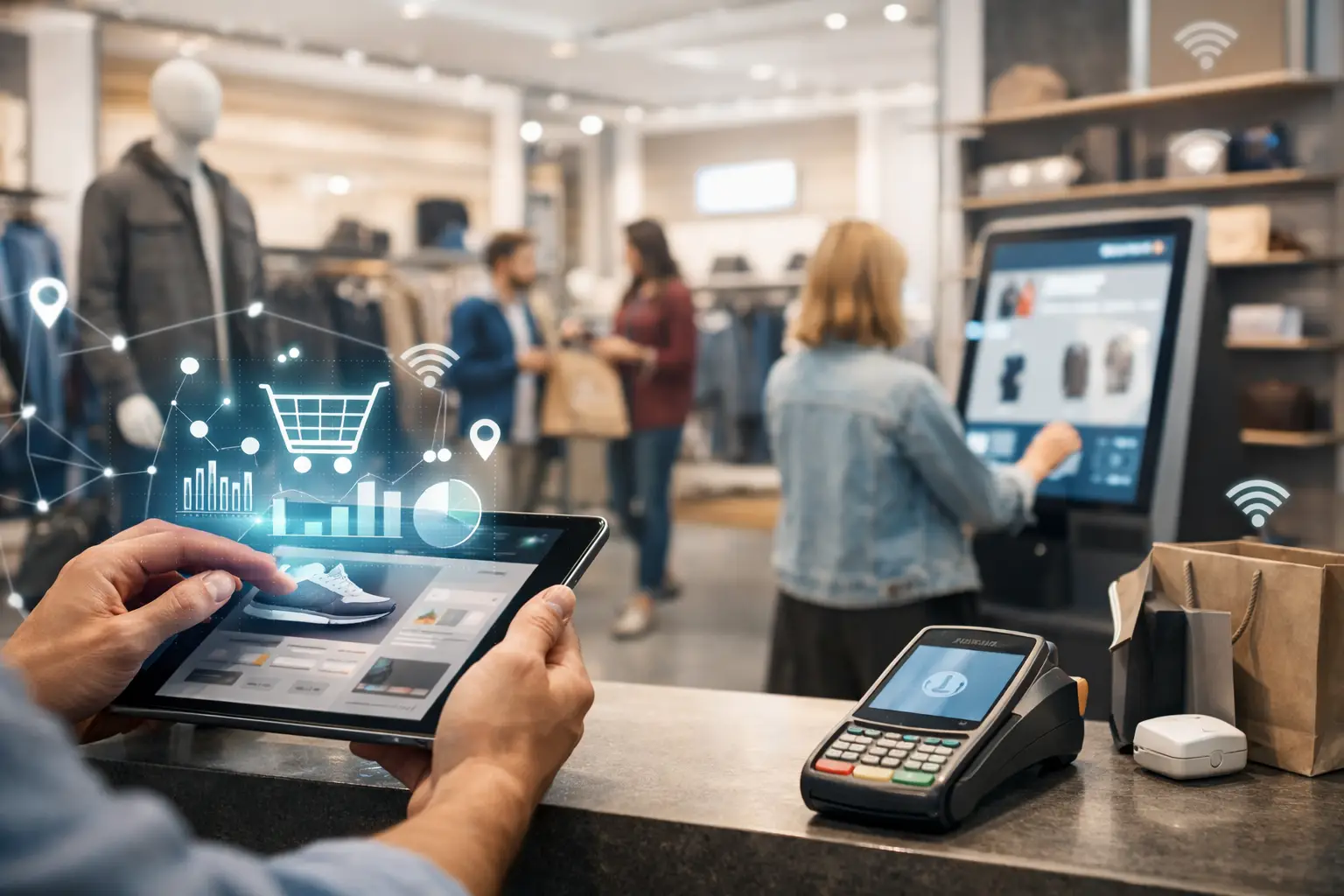

A retail space may be beautifully designed, fully stocked, and strategically located, yet still be difficult to understand online. Static photos show selected angles. Floor plans explain dimensions but not atmosphere. Video provides a guided view but gives the customer no control. Learning how to digitize retail spaces means turning the physical environment into an interactive asset that customers, leasing teams, designers, and operations managers can explore from anywhere.
For retailers, showroom operators, mall leasing teams, and exhibition brands, the goal is not simply to put a store online. It is to present products in context, extend the reach of the physical location, and create reliable spatial data that supports decisions after the marketing campaign ends.
Start with the business case, not the technology
The right digital retail experience depends on what the space needs to achieve. A flagship fashion store may need an immersive tour that helps international customers discover a collection and understand the brand environment. An automotive showroom may need high-resolution views, product hotspots, and an easy path to book a test drive. A mall operator may need accurate digital documentation for tenant planning, renovation, and asset coordination.
These are related use cases, but they do not require the same deliverable. A visually engaging 360 virtual tour can be enough for a short-term campaign. A Matterport digital twin may be more appropriate when remote navigation, measurement, and information layers are needed. LiDAR capture and Scan-to-BIM documentation become more valuable when the retail environment will be remodeled, maintained, or repeatedly reconfigured.
Define the primary outcome before choosing a platform. Common objectives include increasing qualified inquiries, reducing site visits before leasing discussions, improving online dwell time, supporting remote approvals, documenting as-built conditions, or making product discovery easier. This step keeps the project commercially focused and prevents an impressive-looking experience from becoming an isolated marketing asset.
How to digitize retail spaces in five practical stages
1. Audit the customer journey and spatial priorities
Walk the store as a customer would, but assess it as a digital experience strategist. What draws attention at the entrance? Which displays explain the offer best? Where do customers need reassurance before purchasing? Which areas are difficult to photograph, such as multi-level layouts, compact fitting zones, premium display rooms, or large-format product areas?
Then consider the audiences beyond shoppers. Sales teams may need a shareable tour for prospects. Visual merchandisers may need a reference point for display consistency. Landlords and tenants may need accurate records before a fit-out. Operations teams may need to identify equipment, access points, or maintenance areas.
This audit determines what should be captured, what should be interactive, and what information should remain internal. Not every room needs public access, and not every digital twin needs product-level e-commerce functions.
2. Select the right capture method
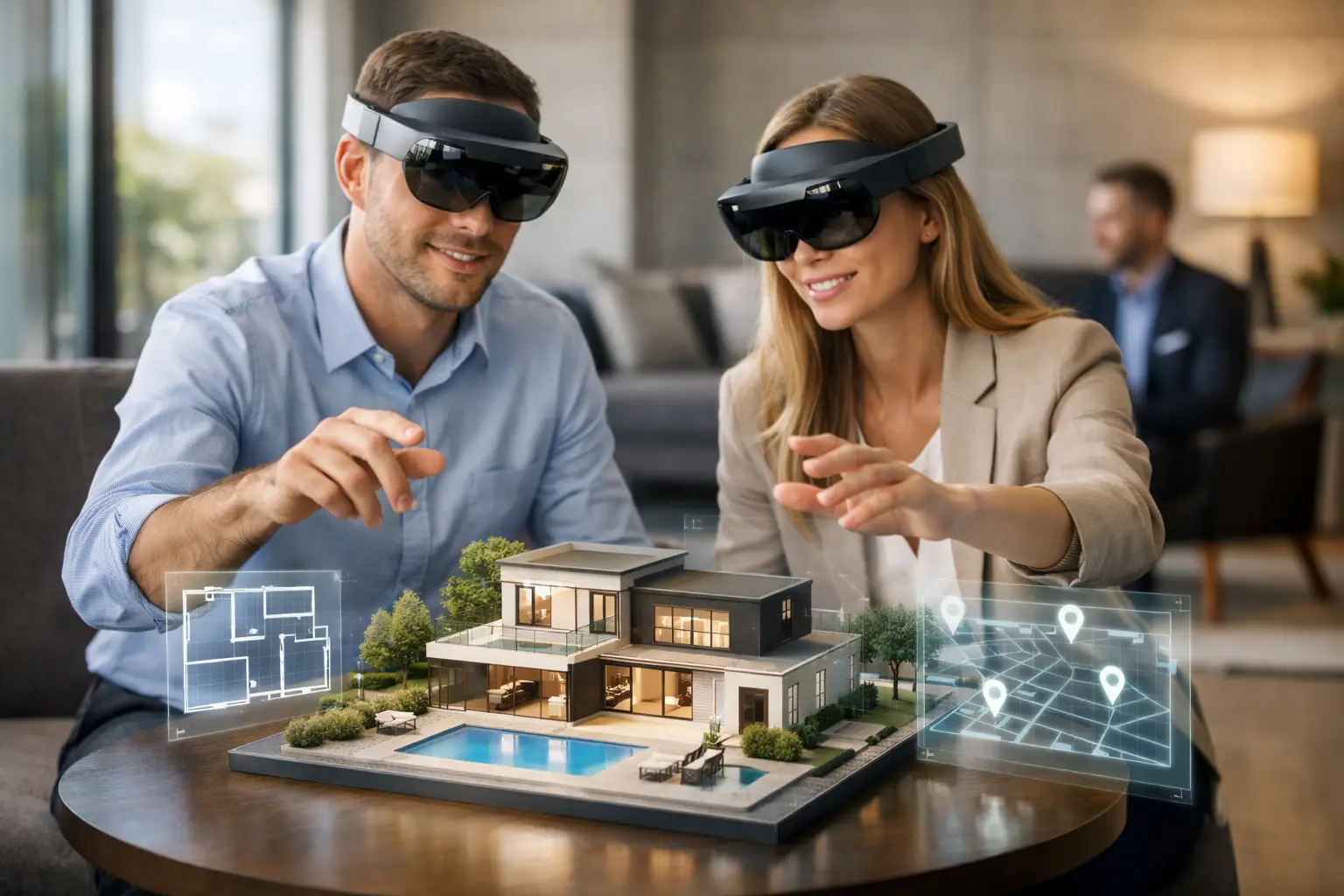
High-quality spatial digitization begins with capture quality. For a customer-facing virtual showroom, professional 360 imaging can create an intuitive walk-through experience that communicates scale, design, and product placement. Matterport digital twins add navigable 3D context and can support measurements, tags, and guided highlights.
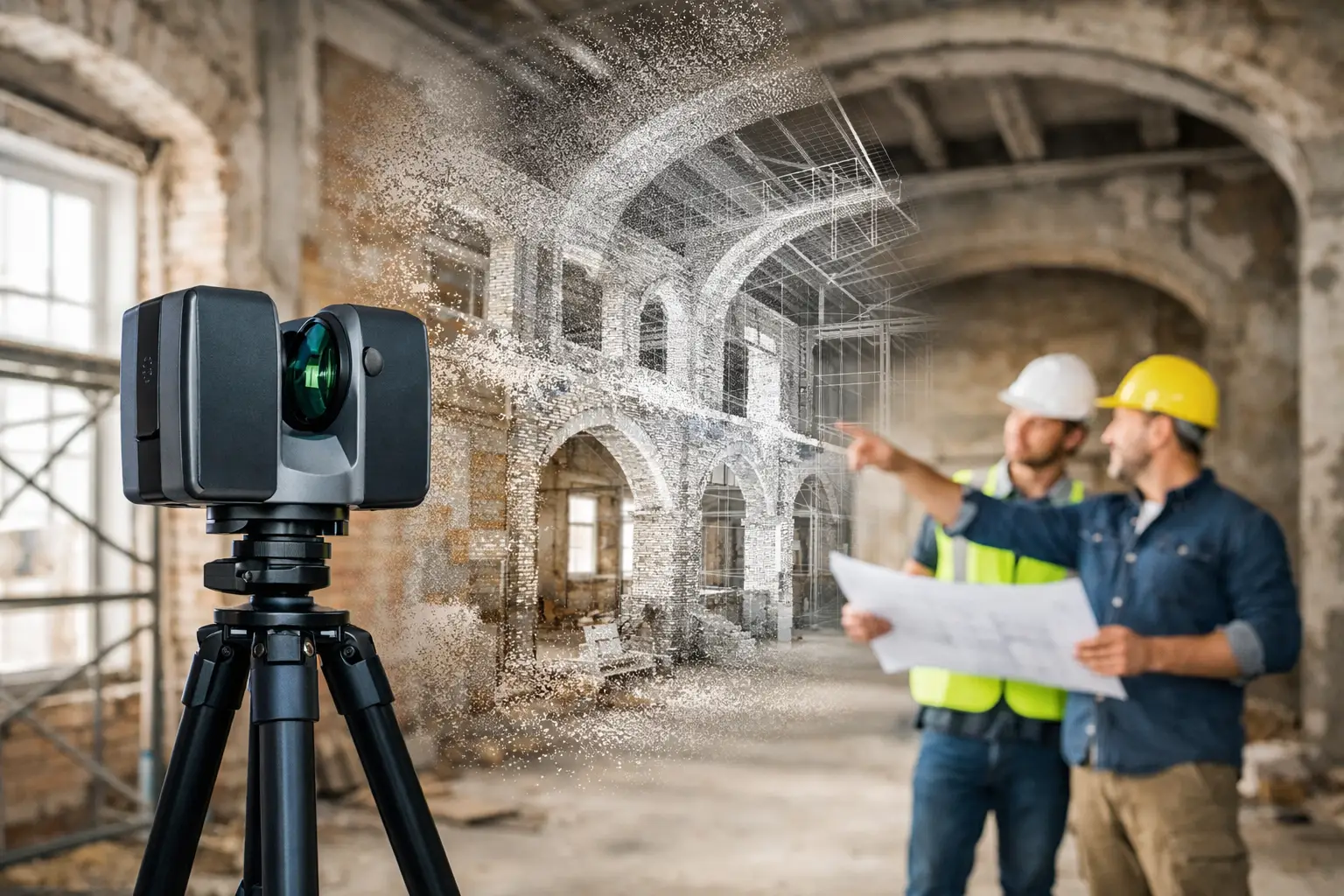
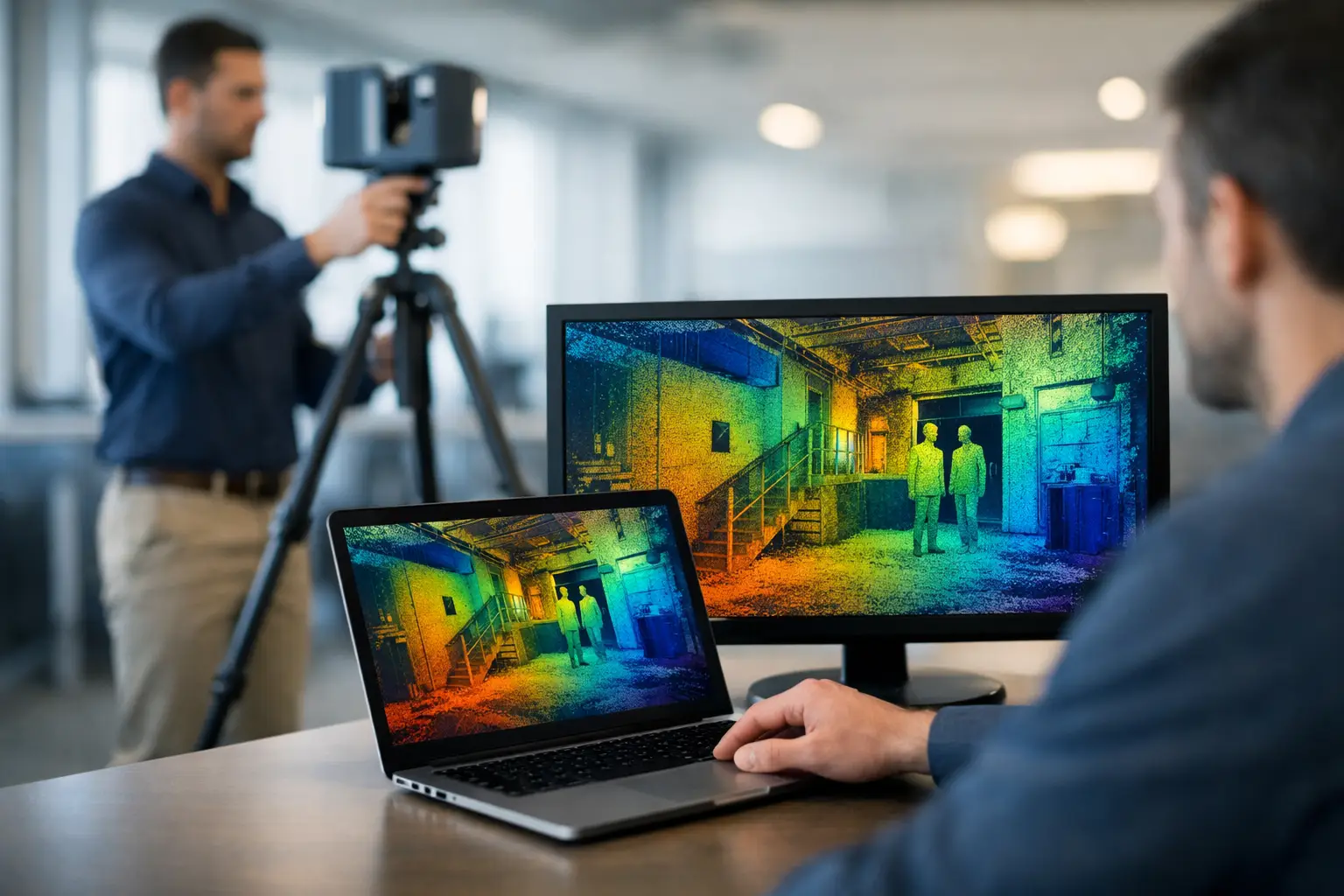
LiDAR scanning serves a different but often complementary purpose. It captures accurate spatial geometry, making it suitable for retail renovation, fixture planning, facility management, and as-built documentation. When a retail operator needs CAD or BIM-ready information, a Scan-to-BIM workflow can turn point cloud data into structured models that architects, contractors, and project teams can use.
Drone imaging can add value for retail parks, destination stores, large malls, and mixed-use developments where access, surroundings, and frontage influence the customer or tenant decision. The most effective projects often combine formats: aerial context for arrival, immersive interior navigation for engagement, and measured data for operational planning.
3. Build an experience around decisions, not just movement
A digital store should answer questions a visitor would normally ask on site. Product hotspots can explain a featured item, collection, material, size range, promotion, or call to action. Guided tour points can direct attention to key zones rather than asking first-time visitors to navigate without context. Embedded video or imagery can show products in use when the physical display cannot tell the full story.
The design principle is simple: every interactive layer should help someone make a decision. Too many tags can distract from the store environment, while too few may leave the experience visually attractive but commercially passive. A luxury showroom may benefit from restrained, editorial-style information. A consumer electronics store may need direct comparison details and inquiry prompts.
Retail brands should also think about mobile behavior. Many visitors will first open the experience from a social campaign, messaging app, or search result on a phone. Navigation, loading performance, text size, and the number of interaction points need to be designed for that reality.
4. Connect the experience to sales and marketing workflows
Digitization creates more value when it is integrated into the customer journey. A virtual store can support campaign landing pages, sales presentations, leasing proposals, event invitations, and follow-up messages after an inquiry. It can also provide a useful destination for customers who are interested but unable to visit immediately.
For retail leasing, an interactive space can give prospective tenants a clearer view of unit condition, frontage, circulation, and surrounding amenities before arranging a physical inspection. For brand teams, it can help approve visual merchandising concepts or share store launches across regional teams.
The integration should match the desired action. If the objective is appointments, place clear booking prompts at relevant points in the experience. If the objective is lead qualification, ask visitors to submit details before accessing selected content. If the objective is product exploration, connect each highlighted zone to the next useful step in the buying journey.
5. Measure performance and maintain the asset
A digitized retail space should be evaluated like any other sales or marketing channel. Track visits, average viewing time, return visitors, interactions with hotspots, inquiry submissions, booking requests, and the sources driving traffic. These indicators reveal whether the experience is helping people explore meaningfully or simply attracting curiosity.
There is a trade-off between creating a polished launch asset and keeping it current. Seasonal displays, new collections, pop-ups, and revised pricing can make an older tour feel less relevant. For fast-changing retail environments, plan lightweight updates to product tags, media, and campaign messaging. For major layout changes, recapturing the space may be the better option.
Operational digital twins require a different maintenance plan. If the asset supports renovation, facilities, or asset records, establish ownership for updates and define which source of truth takes priority when the physical environment changes.
Where retail digitization delivers the strongest return
The commercial return is often strongest where a physical visit is high-friction, expensive, or difficult to coordinate. This includes premium showrooms, large-format retail, destination stores, multi-unit leasing environments, galleries, museums, and temporary exhibition spaces. In markets such as Malaysia and Singapore, where regional buyers, tenants, and stakeholders may be evaluating spaces remotely, a well-built digital experience can shorten the path to an informed conversation.
It also performs well when the space itself is part of the offer. Hospitality retail, automotive, home furnishing, luxury goods, and experiential concepts depend heavily on atmosphere, layout, and context. Product photos remain essential, but they cannot replicate the confidence that comes from understanding how a space actually feels and functions.
For operators, the benefit extends beyond marketing. Accurate spatial capture can reduce repeat site visits, give project teams a shared reference during fit-outs, and preserve a usable record of conditions before construction or tenant changes begin. That is where a retail digital twin shifts from a campaign tool to a long-term business asset.
Choosing a delivery partner
The quality of a retail digitization project depends on more than camera equipment. A capable partner should understand spatial capture, lighting, image quality, navigation design, data accuracy, and the commercial role of the finished experience. They should also be able to advise when a 360 tour is sufficient, when a digital twin is justified, and when LiDAR or Scan-to-BIM data will provide greater long-term value.
Novo Reperio approaches these projects as connected spatial systems: immersive experiences for customer engagement, accurate capture for operational confidence, and tailored integrations that support real commercial outcomes. The best result is not the most complicated virtual store. It is the one that makes the next decision easier for the customer, sales team, or property stakeholder.
Start with one high-value location, define the action the digital experience should drive, and capture the space with enough quality and structure to support what comes next. When the physical store becomes accessible, measurable, and useful beyond its walls, digitization earns its place in the retail strategy.