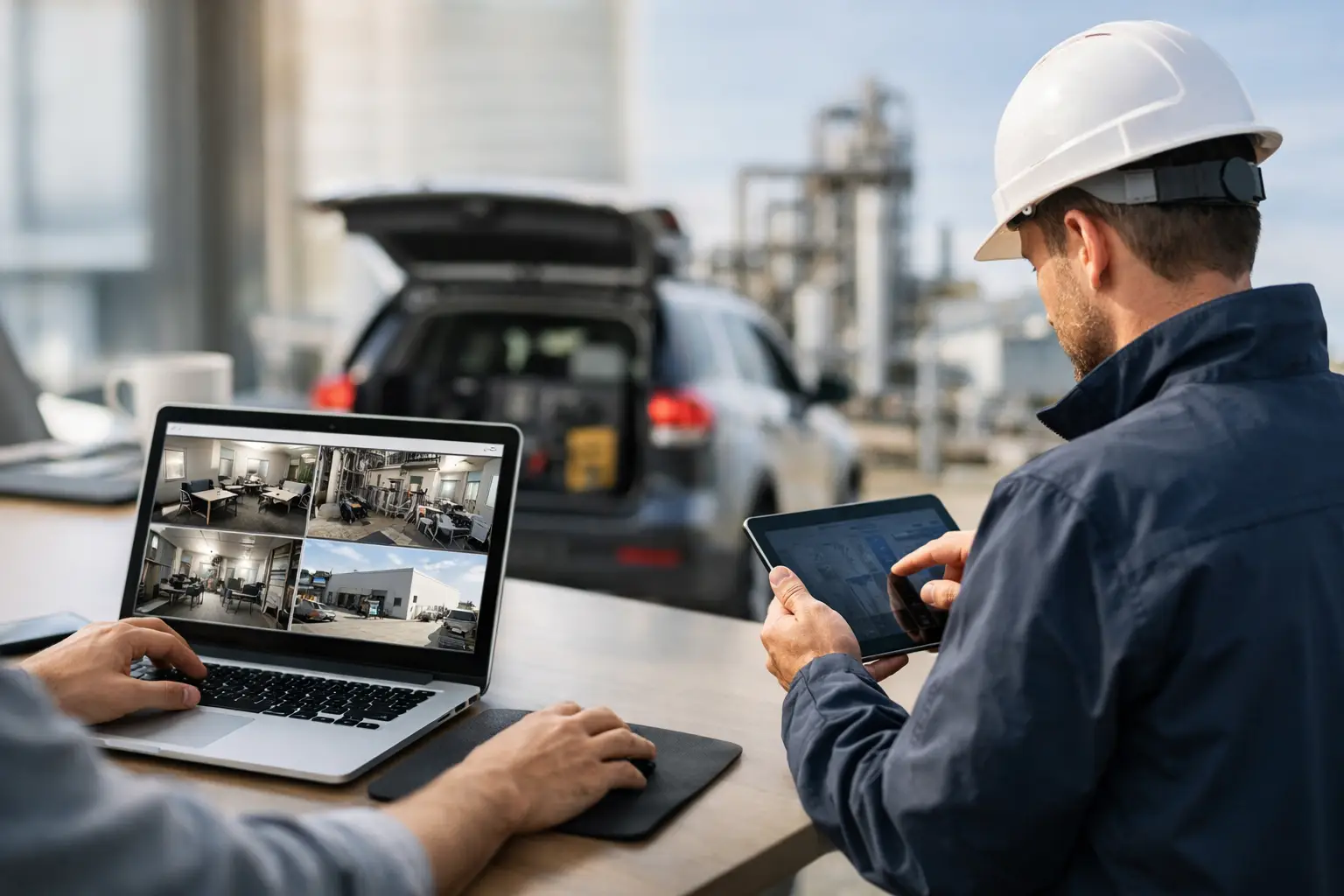

A site visit can be expensive long before anyone arrives. Travel time, access coordination, safety briefings, disrupted operations, and delayed decisions all add friction to a project. The question is not whether teams should stop visiting physical spaces altogether. It is how to reduce site visits without creating uncertainty, missing critical detail, or slowing approvals.
For property, construction, hospitality, retail, and industrial teams, the answer is a better remote-viewing workflow. When a space is captured accurately and made available as a navigable digital asset, more people can inspect, discuss, measure, and decide without being physically present.
Why repeated site visits become a business problem
Most repeat visits happen because the first visit did not give every stakeholder the information they needed. A project manager needs to check progress. A designer needs dimensions and ceiling clearances. A leasing team needs updated marketing visuals. An overseas investor wants to assess circulation and finishes. A facilities manager needs to locate an asset before sending a contractor.
Sending each person to the site may feel familiar, but it does not scale. On large developments, operating hotels, factories, and commercial buildings, repeated access can interfere with work, require escorts, and introduce safety and security concerns. For regional stakeholders across Southeast Asia, travel also extends the time between question and answer.
The goal is not simply to replace travel with attractive imagery. It is to create a dependable visual record that supports the decisions behind each visit.
How to reduce site visits with a digital-first process
The most effective approach combines accurate capture, clear access rules, and workflows designed around real decisions. Technology alone will not reduce travel if teams still rely on scattered photos, outdated drawings, and informal site updates.
1. Identify which visits are truly necessary
Start by reviewing the reasons people visit a location. Some activities remain physical by nature: final quality inspections, regulated compliance checks, hands-on testing, and work that requires direct intervention. These should not be forced into a remote format.
Many other visits are avoidable. Early feasibility reviews, design coordination, vendor familiarization, sales previews, marketing sign-off, maintenance planning, and stakeholder briefings can often be handled remotely when the underlying spatial information is current and easy to interpret.
This distinction matters. A blanket instruction to cut visits can create resistance from technical teams. A targeted policy that removes low-value travel while protecting essential field work is more credible and easier to adopt.
2. Capture the space once, with the right level of accuracy
A standard photo set may help someone remember a room, but it rarely answers operational questions. Photos do not show how spaces connect, what sits behind the camera, or whether a route, opening, or service area has enough clearance.
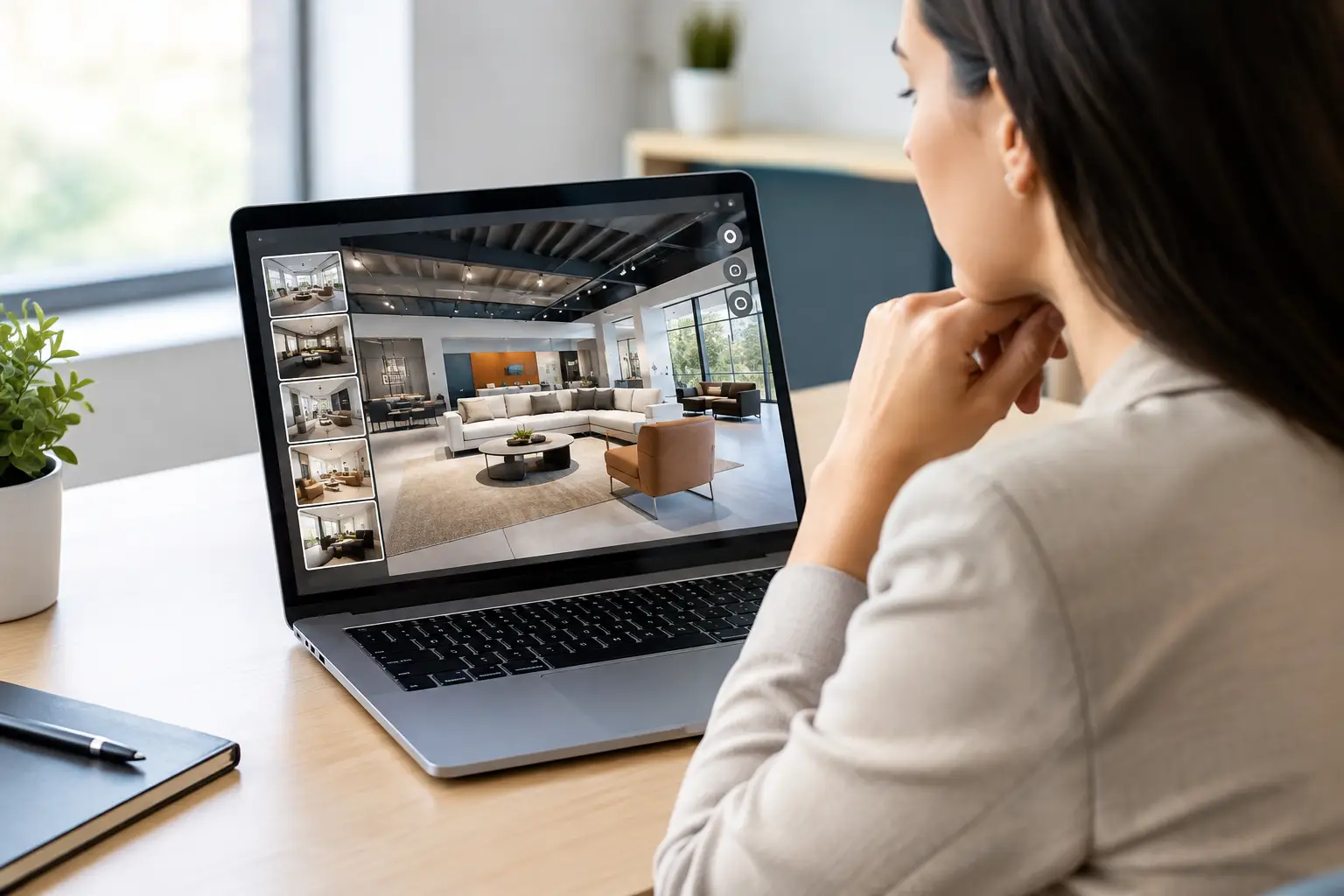
For marketing and remote orientation, a 360 virtual tour or Matterport digital twin can provide a clear, self-directed view of the environment. Users can move through rooms, understand layout, and revisit details without waiting for another walkthrough.
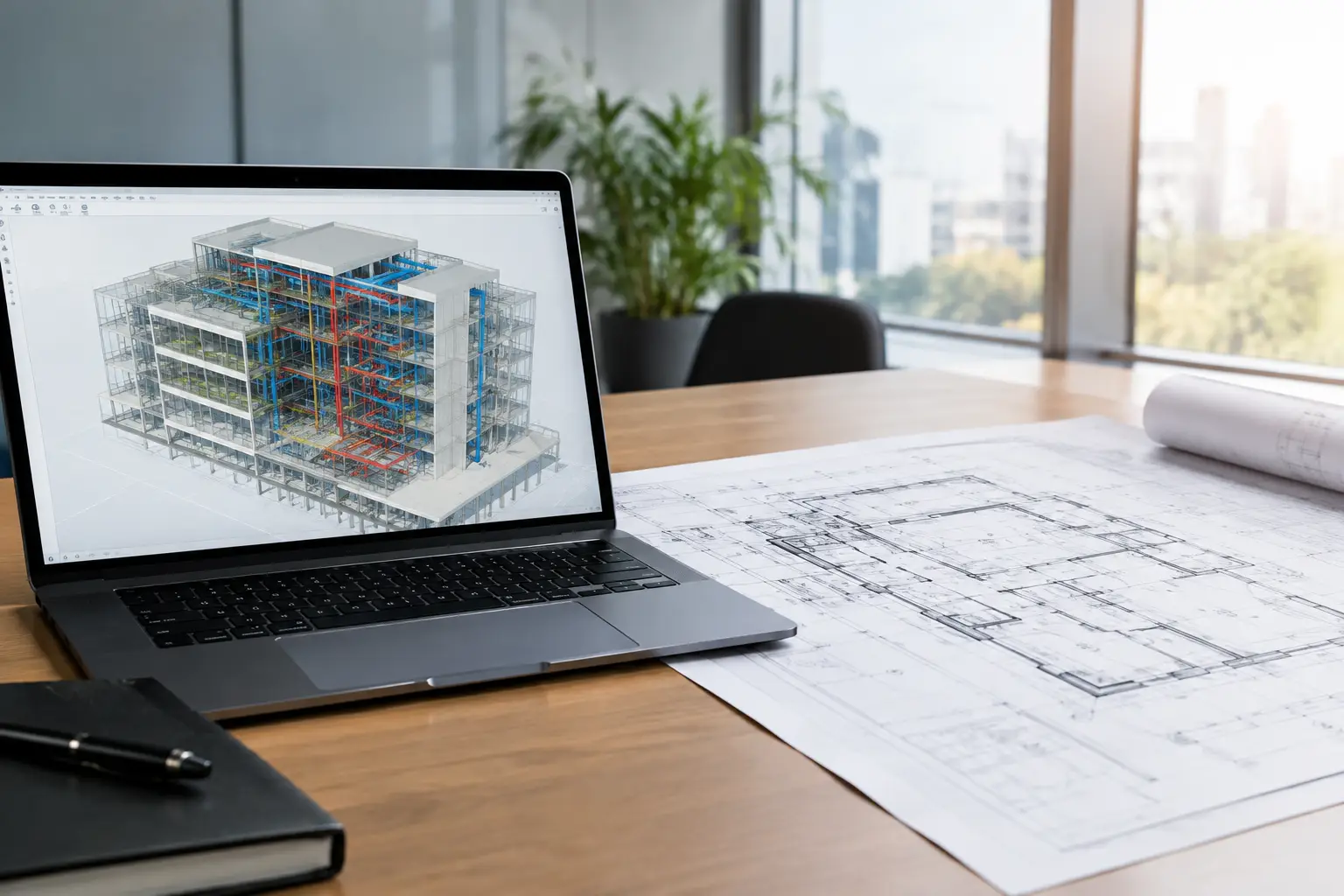
Where measurement, documentation, or renovation planning is involved, LiDAR scanning and Scan-to-BIM workflows provide a stronger foundation. A point cloud and verified as-built model can help architects, engineers, contractors, and facility teams work from the same spatial reference instead of returning to site to confirm basic conditions.
The right capture method depends on the decision at hand. A sales gallery may prioritize visual quality and speed. A live industrial facility may require asset visibility, room data, and disciplined access controls. A renovation project may need higher geometric accuracy before design begins. Capturing too little creates repeat visits; capturing more data than the project can use adds cost and complexity.
3. Turn the capture into a shared decision environment
A digital model delivers value only when people can use it in the moments that usually trigger travel. That means organizing it around practical tasks, not treating it as a one-time presentation.
For example, a virtual tour can include labels for meeting rooms, suites, retail units, equipment areas, or event spaces. A project team can reference the same view during a coordination call, record issues against a location, and agree on follow-up actions. Marketing teams can use approved views to maintain consistency across campaigns. Leasing teams can provide qualified prospects with a more meaningful pre-visit experience.
For technical work, the digital environment should connect to the documents teams already depend on: plans, models, specifications, asset records, and progress reports. A Scan-to-BIM model is especially useful when drawings no longer reflect site reality. Instead of debating which version is correct, stakeholders can review an up-to-date representation of the existing condition.
Novo Reperio approaches these assets as operational and commercial infrastructure, not just visual content. The objective is to help teams answer more questions remotely, with enough confidence to move work forward.
4. Establish a simple remote review routine
The fastest gains usually come from process discipline. Before approving a site visit, ask whether the requester can review the digital twin, current capture, drone imagery, or as-built information first. If the answer is yes, assign the review and define the decision required.
A useful routine has four parts:
- Capture the relevant area at agreed project stages or operational intervals.
- Give stakeholders controlled access to a current, clearly labeled environment.
- Review questions remotely before arranging travel or site access.
- Document the remaining issues that genuinely require physical verification.
This does not need to become bureaucratic. It simply prevents a common pattern: someone visits because they have not been given a reliable way to see the space from elsewhere.
Use remote access to improve the quality of essential visits
Reducing site visits should also make the visits that remain more productive. A contractor can study access routes and equipment locations before arrival. A design team can prepare a focused list of measurements or finish checks. A buyer can complete an initial virtual walkthrough before booking an in-person viewing.
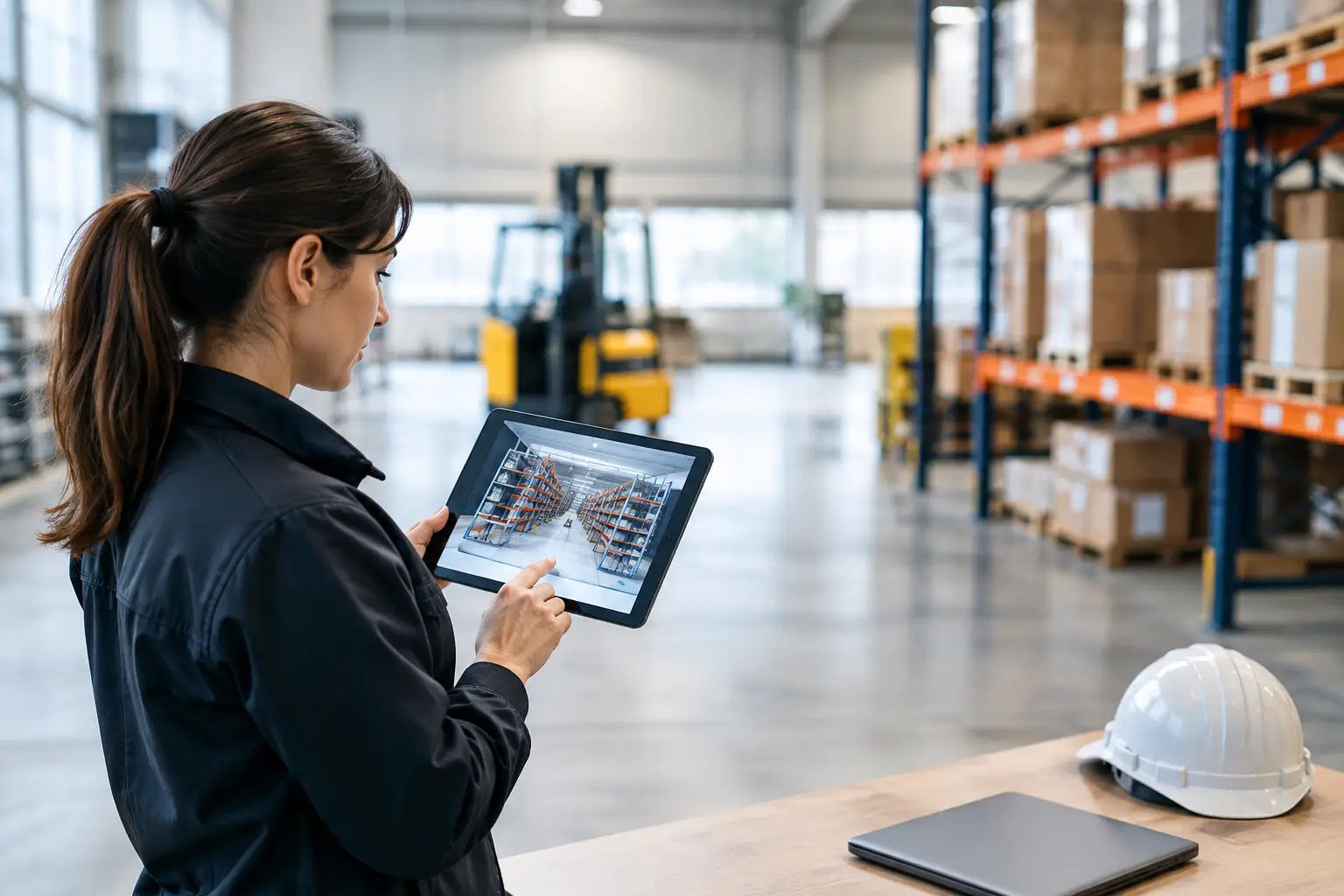
This is particularly valuable for large or complex sites. A convention center, hotel, warehouse, museum, or multi-unit development can take hours to inspect in person. A digital twin enables early orientation, allowing the on-site session to focus on exceptions, not basic navigation.
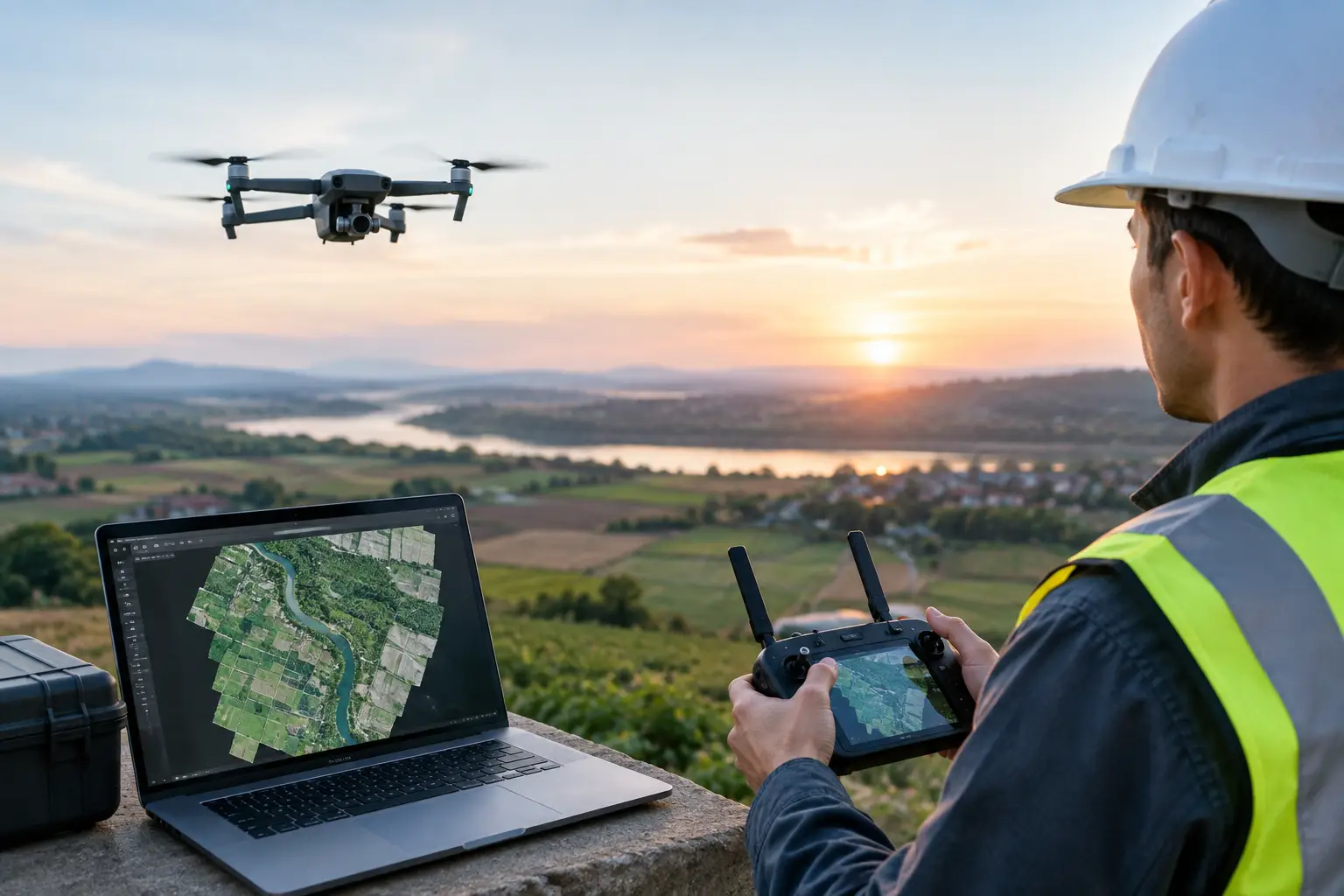
Drone mapping can add another layer for projects where roof conditions, site boundaries, external access, or construction progress need review. Combined with ground-level capture, it gives stakeholders a more complete picture before they commit time and travel budget.
Measure whether fewer visits are producing better outcomes
Travel reduction is easy to count, but it should not be the only metric. Track the number of remote reviews completed, response time for site questions, approval turnaround, time spent coordinating access, and the percentage of visits that lead to a defined action.
Commercial teams may also measure virtual-tour engagement, qualified inquiries, and the conversion rate from remote viewing to physical appointment. For facilities and construction teams, useful measures include fewer repeat inspections, lower rework risk from incomplete site information, and faster issue resolution.
The best result is not the lowest possible visit count. It is a lower count of unplanned, low-information visits alongside faster decisions and better-prepared teams. If remote workflows create more clarification requests or cause critical details to be missed, the capture standard or review process needs adjustment.
Where remote viewing has limits
Digital access improves visibility, but it cannot fully substitute for sensory and physical assessment. Noise, odor, vibration, material condition, live service performance, and certain safety risks may require an experienced person on site. Sensitive facilities may also need restricted access, redacted views, or a private platform to protect operational information.
Data freshness is another consideration. A digital twin captured before a major fit-out, renovation, or construction change should not be treated as a live record. Set refresh points based on the pace of change and the cost of a wrong decision. For a property marketing campaign, an updated tour may be needed after staging or completion. For active construction, progress capture may need to follow agreed milestones.
A well-planned digital workflow does not pretend the site is optional. It makes physical presence deliberate, informed, and reserved for work that benefits from being there.
When teams can inspect a space, align around evidence, and prepare questions before travel, each visit carries more value. That is how physical environments become easier to market, manage, and make decisions around from anywhere.