
A venue inquiry rarely starts with a site visit anymore. It starts with a shortlist, a browser tab, and a fast judgment about whether the space feels right for the event. That is where a virtual tour for event venues stops being a nice marketing extra and starts acting like a sales tool.
For venue operators, convention centers, hotels, wedding spaces, galleries, and multipurpose halls, the challenge is not simply getting seen online. It is helping buyers understand the space well enough to move forward. Static photos can show décor. A floor plan can show dimensions. But neither does a strong job of showing flow, scale, sightlines, or how one area connects to another. Those details often decide whether an inquiry becomes a serious booking.
Why a virtual tour for event venues matters
Event buyers are making higher-stakes decisions than casual browsers. They need to assess whether a ballroom can handle banquet seating and stage placement, whether pre-function areas can absorb registration traffic, whether loading access is practical, and whether the venue experience aligns with the brand of the event itself.
A well-executed virtual tour for event venues gives them more than visual access. It gives them confidence. That confidence shortens the distance between first inquiry and commercial conversation.
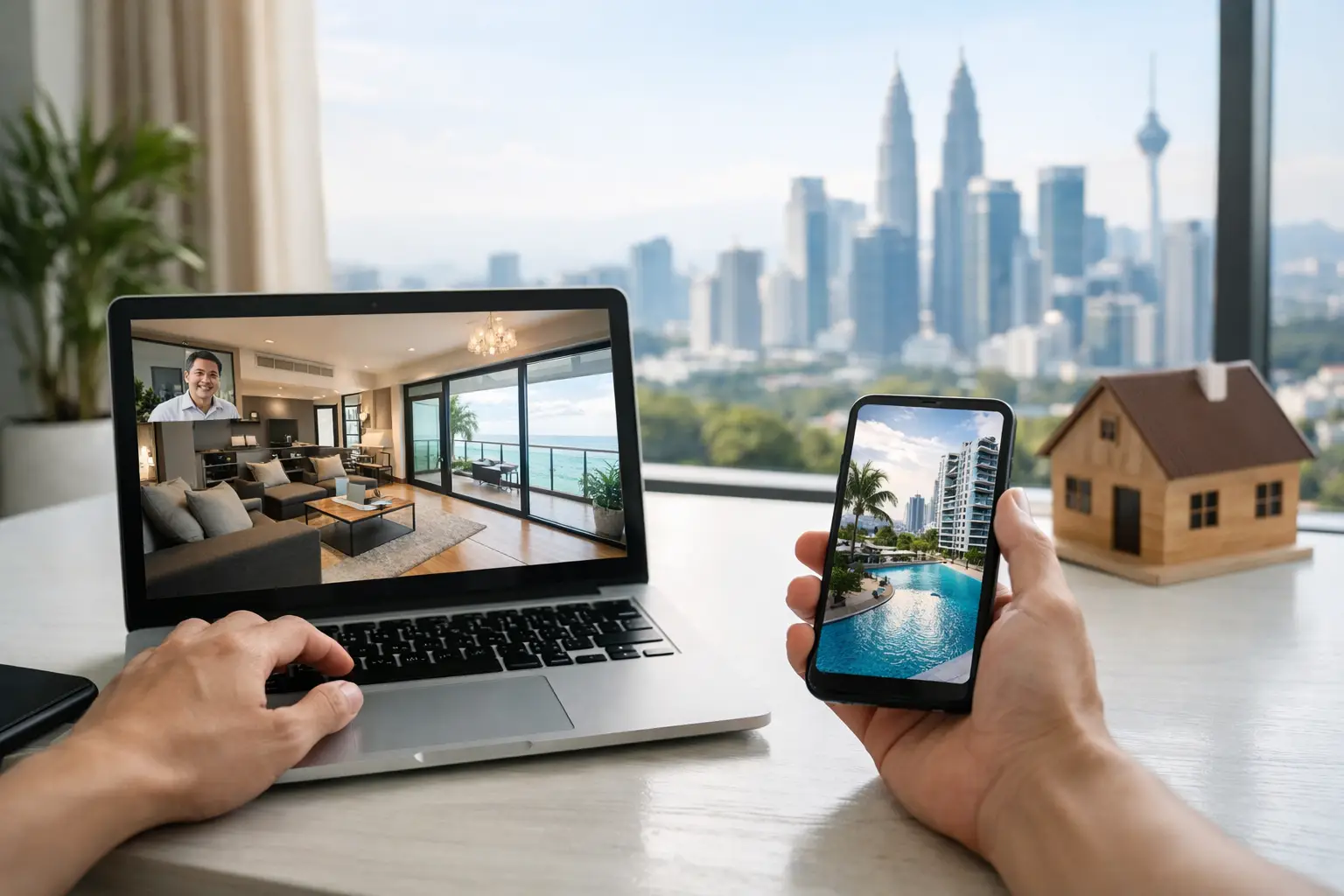
This matters even more for regional and international buyers. If your venue attracts corporate planners, association organizers, brand teams, or destination event clients, remote decision-making is part of the sales cycle. Buyers do not always have the time or budget to visit every shortlisted venue in person. When the digital experience is weak, your venue risks being filtered out before a call even happens.
The strongest virtual tours reduce uncertainty early. They allow prospects to self-qualify, share the venue internally, and align stakeholders before requesting a proposal. That tends to improve lead quality, not just lead volume.
What buyers actually want to see
Venue teams sometimes approach virtual content like a photo shoot, focusing on the most attractive angles. Buyers think differently. They are trying to answer operational questions.
They want to know whether the arrival sequence feels premium or chaotic. They want to see if breakout rooms are close enough to the main hall. They want a realistic sense of ceiling height, circulation space, foyer capacity, and back-of-house access. For weddings and social events, they may care more about ambiance, ceremony-to-reception flow, and guest experience. For corporate events, they may prioritize logistics, AV positioning, seating flexibility, and sponsor visibility.
That is why a useful virtual venue experience should not only be visually polished. It should be spatially informative. There is a difference between content that looks impressive and content that helps someone buy.
The difference between a basic tour and a strategic digital asset
Not every virtual tour delivers the same business value. A simple 360 walkthrough may be enough for a small venue with a straightforward offer. But larger or more complex spaces often need more structure.
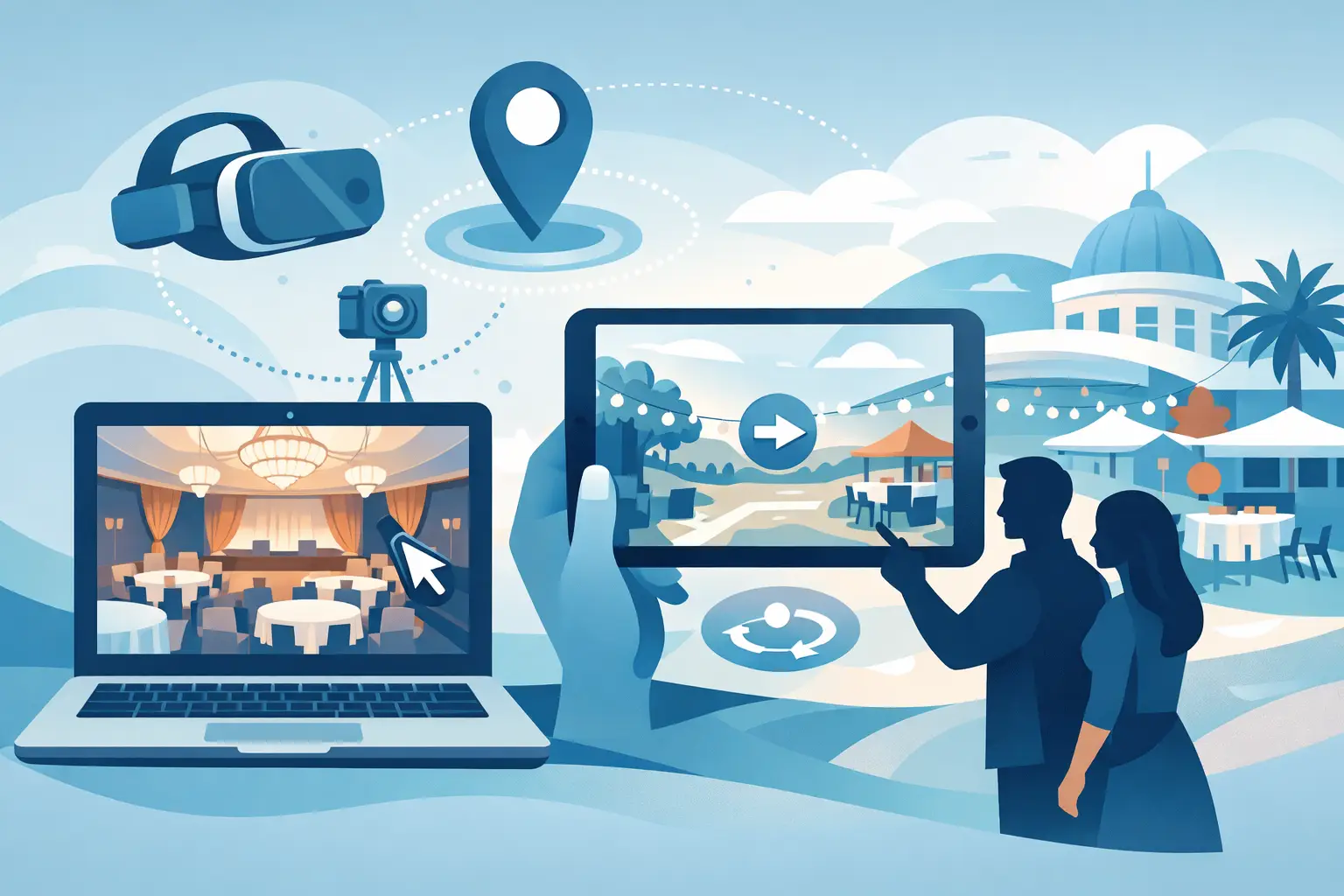
A strategic digital tour should help users navigate the venue with purpose. That may include moving between event zones, understanding room adjacency, viewing alternative setup possibilities, and identifying practical assets such as entrances, loading bays, registration areas, or VIP rooms. In some cases, annotated hotspots, embedded specifications, or integration with floor plans can make the experience significantly more useful.
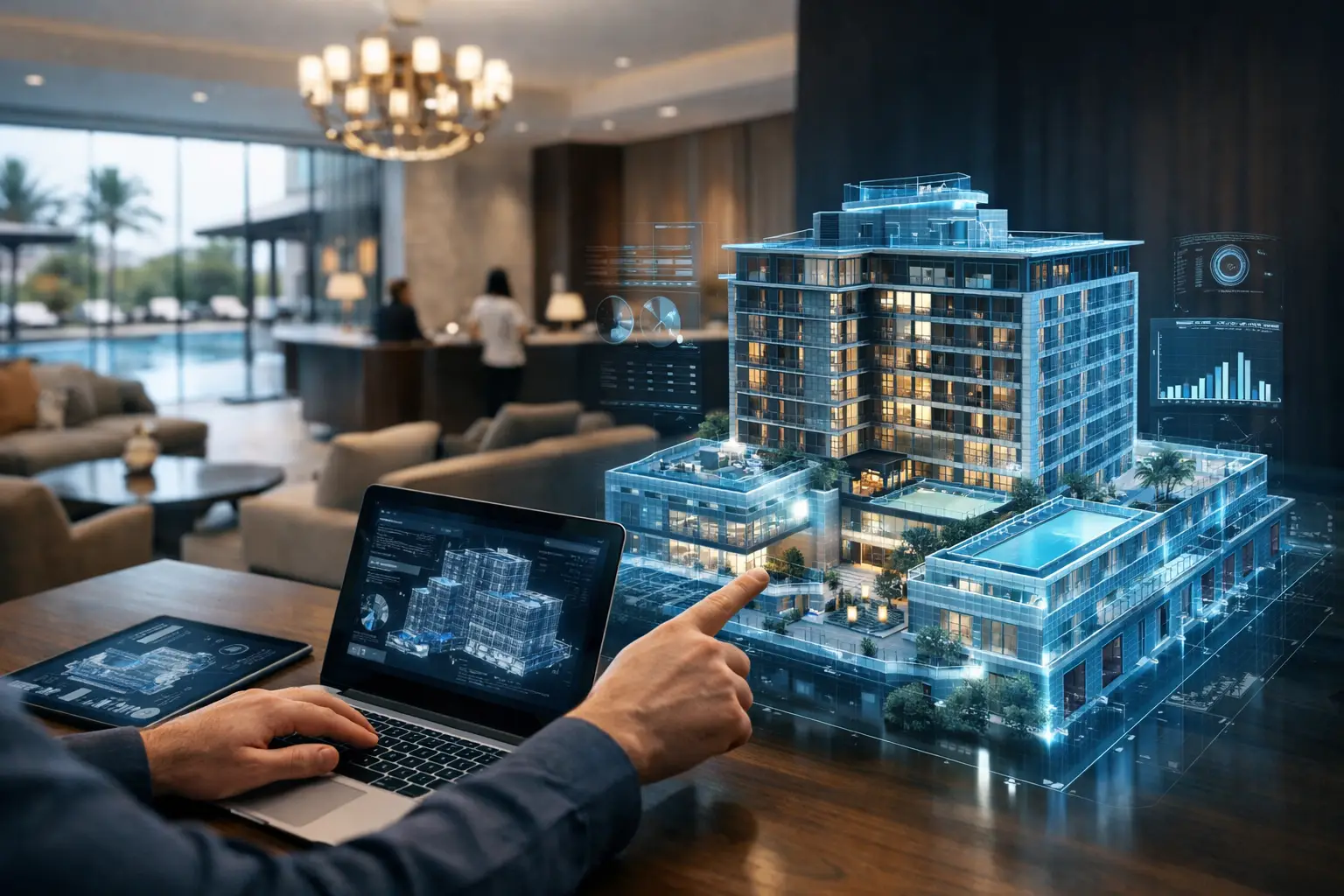
This is where digital twin technology becomes commercially stronger than a standard visual tour. A digital twin captures the space as a measurable, navigable environment rather than a series of stitched images. For venues that host conferences, exhibitions, launches, and private events, that added layer of spatial clarity can support both marketing and planning.
It also creates longer-term value. Once a venue is digitized properly, the asset can be repurposed across website pages, sales presentations, remote walkthroughs, internal planning, partner onboarding, and future renovations.
Where virtual tours improve the sales process
Most venue teams already know that immersive media increases engagement. The more useful question is where it changes business performance.
The first gain is qualification. When prospects can explore the space before contacting your team, weak-fit inquiries tend to drop and stronger-fit inquiries become more specific. Your sales team spends less time explaining basics and more time advancing real opportunities.
The second gain is speed. Event bookings often involve multiple decision-makers, from marketing leads and procurement teams to executives and clients. A virtual tour helps one contact bring the venue into that wider decision process without arranging repeated physical visits.
The third gain is differentiation. Many venues still rely on image galleries that look interchangeable. An immersive tour makes the venue easier to remember because it gives buyers a stronger sense of place. That matters in competitive markets where multiple properties offer similar capacities and price ranges.
The fourth gain is trust. If the virtual experience is detailed and accurate, buyers arrive at site visits better informed and with fewer surprises. That usually leads to more productive meetings and fewer mismatched expectations.
What makes a virtual tour effective for event venues
The answer depends on the venue type, the buyer profile, and the sales journey. A luxury wedding venue should not be captured the same way as an exhibition hall or hotel meeting floor.
Even so, effective venue tours tend to share a few qualities. They are easy to navigate. They show the space as it will actually be experienced. They balance aesthetics with logistics. And they avoid overproducing the content to the point that it feels artificial.
Accuracy matters more than many operators assume. If room proportions appear misleading, or if the experience hides practical constraints, the tour may generate interest but damage confidence later. A polished visual impression is useful, but commercial credibility is what closes bookings.
Good capture planning also matters. Venues should be staged intentionally, but not in a way that limits usability. An empty ballroom can help show flexibility, while a set-up version can help buyers visualize a live event. In many cases, showing both is the better choice.
Common mistakes to avoid
One common mistake is treating the tour as a standalone media item rather than part of the sales system. If the experience is not aligned with your proposal process, room specs, booking workflow, and marketing message, its value gets diluted.
Another mistake is capturing only the hero spaces. Buyers also need context. Corridors, entrances, foyers, support rooms, and transition points often shape the event experience as much as the main hall.
A third mistake is underestimating mobile users. Many prospects first review venues on a phone. If the tour is slow, awkward, or confusing on mobile, engagement drops quickly.
Beyond marketing: operational value for venue teams
The commercial case is often what gets a virtual tour approved, but the operational value should not be overlooked.
A venue digital twin can support internal coordination between sales, operations, event planning, and external vendors. Teams can reference the same spatial model when discussing setup plans, traffic flow, sponsor placements, staging areas, or service logistics. That reduces ambiguity, especially for larger events with multiple stakeholders.
For venues undergoing upgrades or repositioning, digital capture can also support documentation and planning. If the venue is part of a hotel, convention complex, or mixed-use asset, a more advanced spatial record may be useful beyond front-end marketing.
This is where a specialist partner adds value. Capturing a venue for visual appeal is one task. Creating a digital asset that supports sales, planning, and long-term spatial management is another.
Is it worth the investment?
For most serious venue operators, the better question is not whether a virtual tour is worth doing, but what level of solution matches the revenue opportunity.
If your venue depends on high-frequency, lower-value bookings, a leaner virtual experience may be enough to improve visibility and reduce friction. If you are targeting conferences, premium weddings, brand launches, exhibitions, or cross-border event business, a more advanced digital twin can justify itself through stronger conversion, faster decisions, and fewer wasted site visits.
It also depends on how often your space changes. Highly modular venues may benefit from periodic updates or supplementary content showing different configurations. A tour should reflect the commercial reality of the venue, not a one-time snapshot that becomes outdated.
The strongest results usually come when venue operators view immersive capture as part of a broader digital sales infrastructure. That means integrating the tour into website journeys, inquiry handling, sales presentations, and stakeholder communication rather than uploading it and hoping for results.
For event venues, the real value of immersive visualization is simple. It helps buyers understand the space before they ever step into it. When that understanding is accurate, useful, and commercially aligned, your venue becomes easier to choose.