
A brochure may get a glance. A well-built digital property experience gets time, attention, and action. That is why kuala lumpur property visualization has shifted from a marketing extra to a sales and decision-making tool for developers, brokers, landlords, and asset owners trying to compete in a crowded market.
In Kuala Lumpur, the challenge is rarely a lack of inventory. The challenge is differentiation. Residential towers compete with other towers. Commercial units compete with newer fit-outs, stronger locations, and better digital presentation. For overseas buyers, regional investors, and corporate tenants, the first viewing often happens on a screen. If that experience is flat, interest drops early.
Why Kuala Lumpur property visualization matters now
The property market in Kuala Lumpur is increasingly shaped by digital-first behavior. Prospects compare multiple listings quickly, often across devices and time zones. They expect more than static photos and floor plans. They want to understand layout, scale, finishes, access, and atmosphere before they commit to a site visit or a sales conversation.
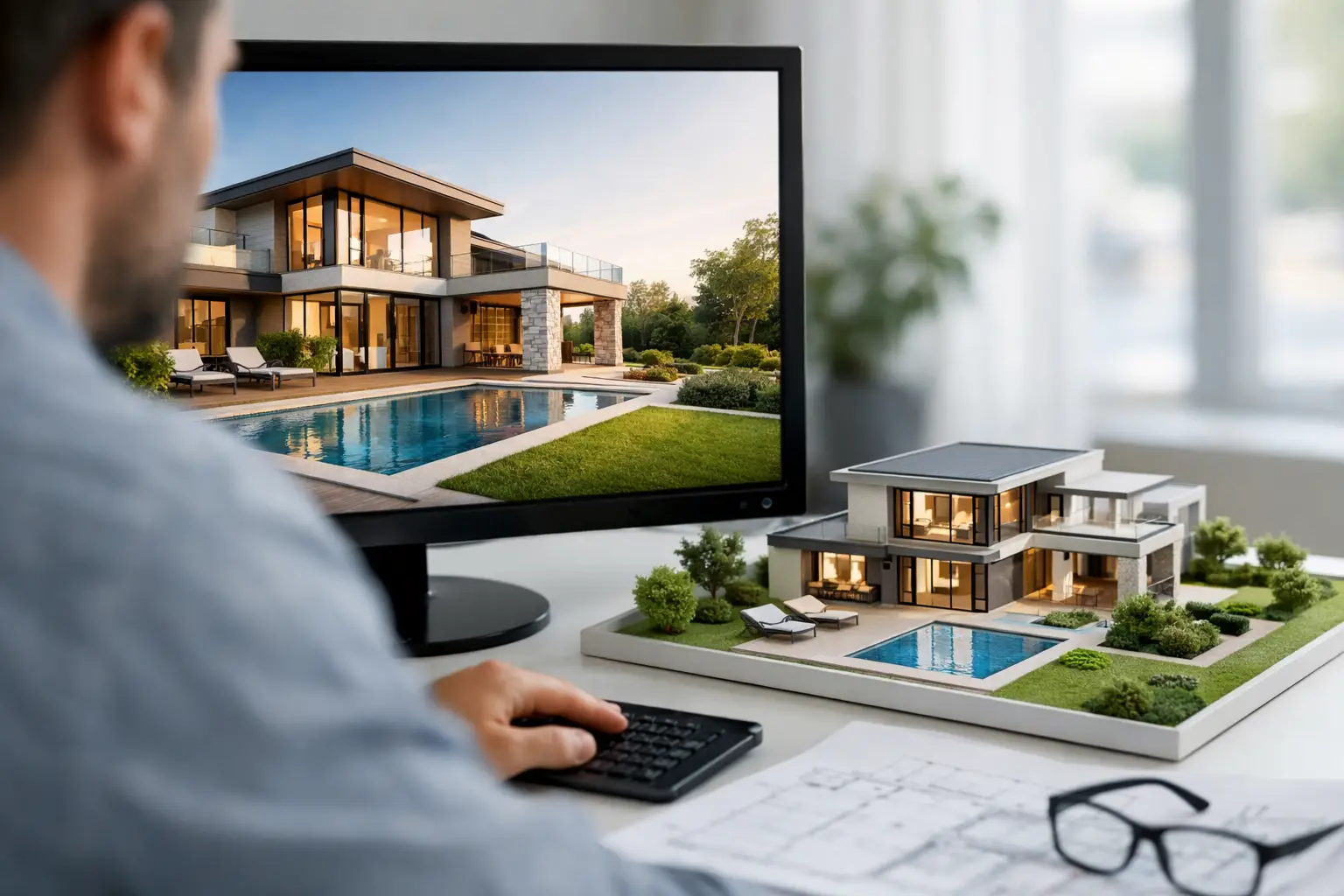
That is where property visualization delivers commercial value. It helps a project communicate faster and with more clarity. Instead of asking prospects to imagine the final result, it shows them. Instead of forcing teams to explain a space through PDFs, it gives stakeholders an interactive asset they can explore remotely.
For developers, this shortens the path from inquiry to qualified interest. For commercial leasing teams, it improves how vacant or complex spaces are presented. For hospitality operators and mixed-use assets, it creates a stronger bridge between physical experience and digital marketing.
What strong property visualization actually includes
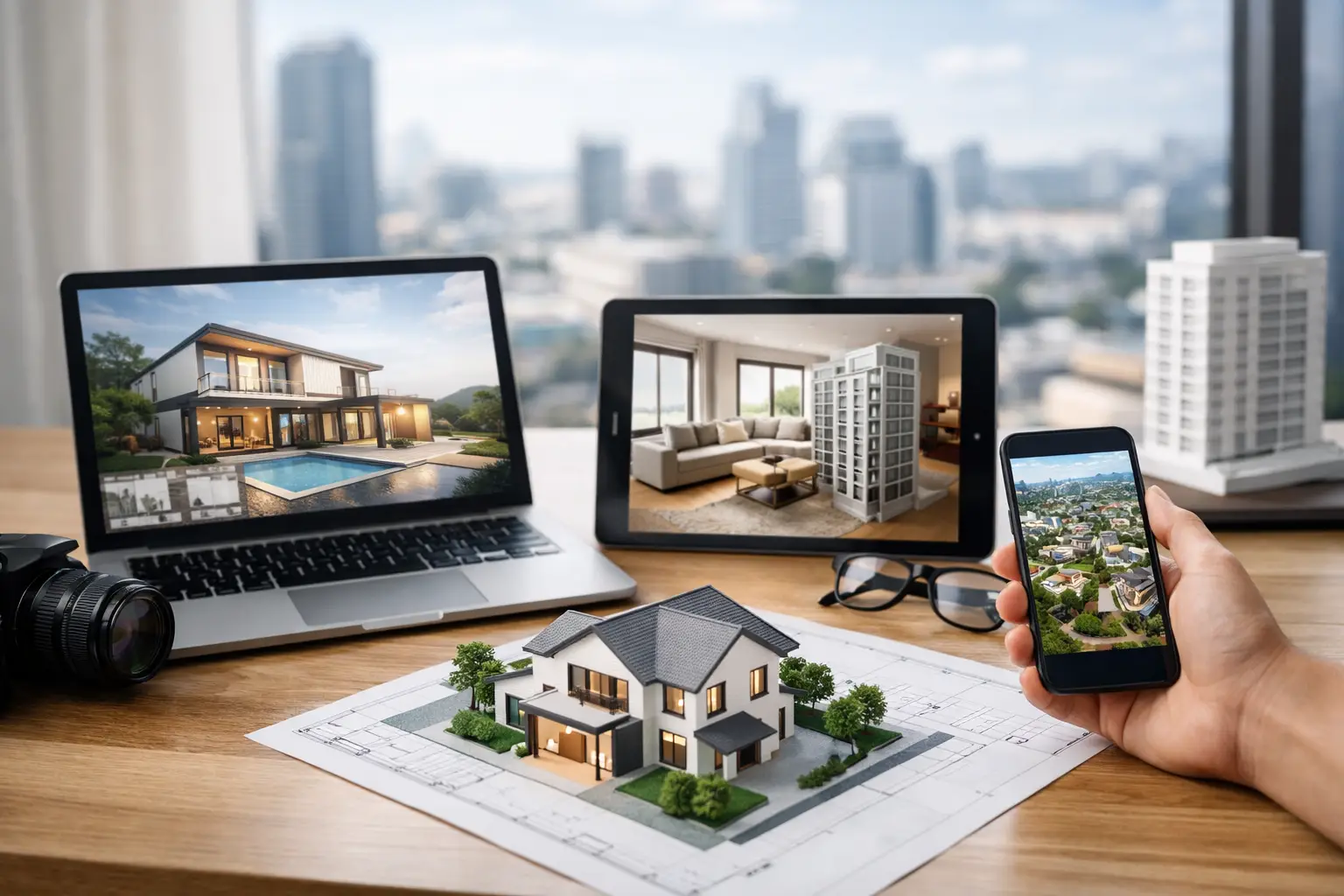
Kuala Lumpur property visualization is not one product. It is a set of visual tools chosen based on the asset, the sales cycle, and the decision-maker.
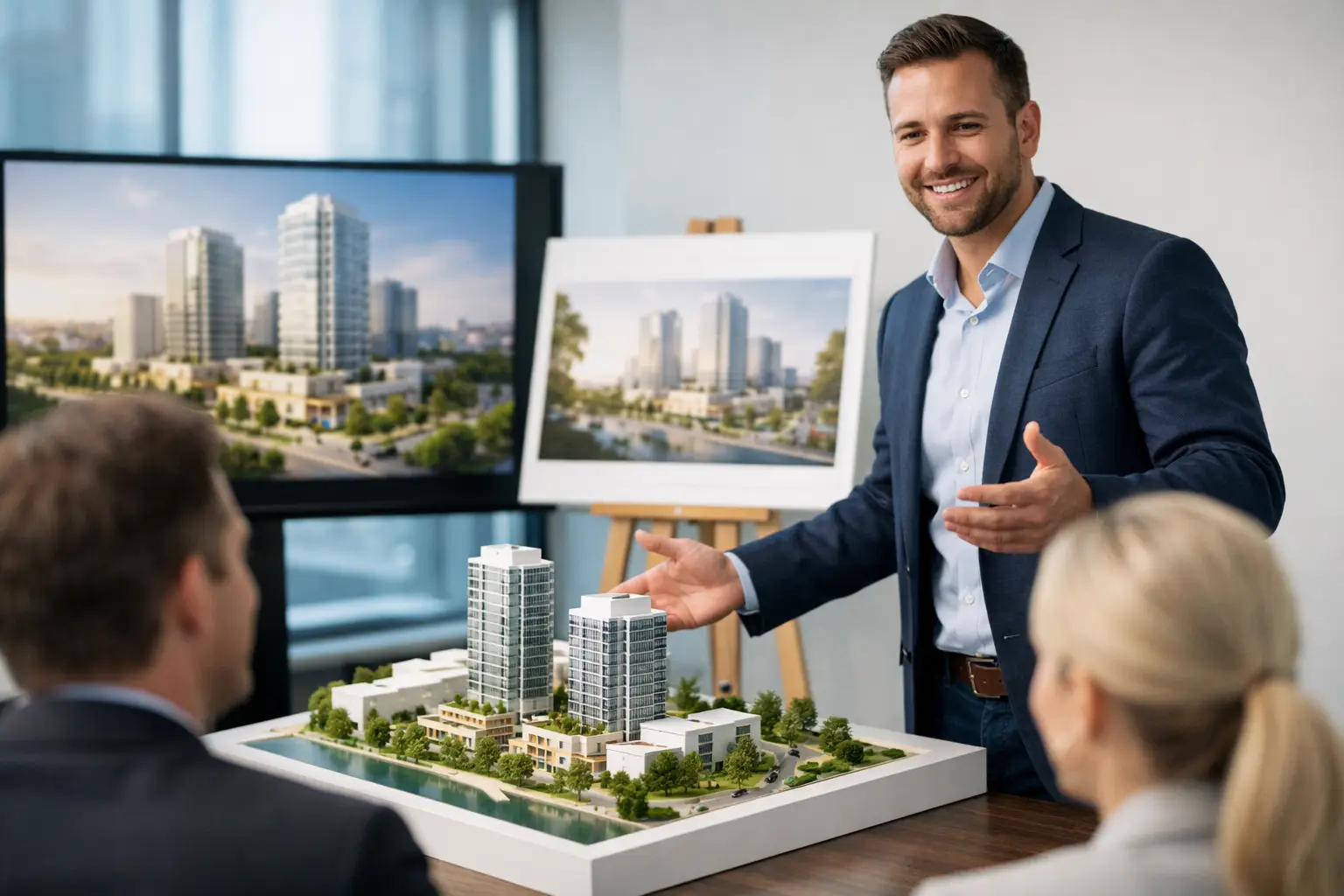
For an unbuilt residential project, CGI renderings and walkthrough animations often do the heavy lifting. They help buyers understand finishes, common areas, views, and lifestyle positioning before construction is completed. If the project has multiple unit types, virtual staging and interactive layouts can reduce friction during the selection process.
For completed properties, 360 virtual tours and digital twins are often more effective because they capture the real environment with spatial accuracy. Prospects can move through the unit or building remotely, assess room relationships, and revisit the space without needing another physical appointment. This matters when decision-makers are abroad or when several stakeholders need to review the property internally.
For commercial assets, the need is usually broader. A leasing team may need drone imaging for context, interior scans for layout understanding, and accurate as-built data to support fit-out discussions. In those cases, visualization is not only about marketing. It also supports planning, handover, and operational communication.
The difference between attractive visuals and useful visuals
A polished render can look impressive and still underperform. The issue is usually not design quality alone. It is relevance.
Useful visualization answers practical questions. Can a buyer understand the unit flow? Can an investor assess the development in context? Can a tenant evaluate circulation, frontage, and usable space? Can a project team align around what is actually being delivered?
This is why the best visualization work combines visual quality with technical discipline. LiDAR capture, Scan-to-BIM workflows, and structured 3D spatial data become especially valuable when precision matters. In a sales setting, that precision improves trust. In a planning or refurbishment setting, it reduces misalignment between what is marketed and what is physically present.
That trade-off matters. Some campaigns need speed and visual appeal more than technical depth. Others, especially commercial, hospitality, and redevelopment projects, benefit from data-backed visualization that can support both presentation and implementation.
How kuala lumpur property visualization supports faster sales
The strongest reason to invest in visualization is not that it looks modern. It is that it helps commercial teams move prospects forward.
A strong digital twin or virtual tour can pre-qualify interest before a site visit. People who spend time exploring a property remotely tend to arrive with more context and clearer intent. That improves the quality of sales conversations and reduces time spent on poorly matched inquiries.
For projects targeting international buyers, visualization also removes a major access barrier. Not every prospect can visit Kuala Lumpur on short notice. If the digital presentation is strong enough, they can review the property remotely, share it with partners or family, and make earlier-stage decisions with more confidence.
This is especially relevant for luxury units, branded residences, hospitality assets, and large commercial spaces where presentation quality directly influences perceived value. A basic listing may communicate availability. A well-executed immersive experience communicates confidence, quality, and readiness.
Where different formats work best
CGI and 3D rendering for off-plan marketing
When a property does not yet exist in final form, rendering and CGI walkthroughs are essential. They help sell vision, materiality, and positioning. They are also useful for campaign assets across websites, launch decks, social media, and investor presentations.
The limitation is obvious. CGI is interpretive. It needs to be tightly managed so that the visuals remain consistent with the final deliverable. If expectations are set too high or too loosely, the same content that drives leads can later create friction.
Digital twins and 360 tours for built spaces
When the space exists, digital twins and virtual tours often provide stronger credibility. They show the actual property, preserve scale, and give users control over how they navigate. This format works particularly well for show units, hotels, event venues, offices, retail spaces, and industrial facilities.
It also extends beyond marketing. Teams can use the same asset for documentation, handover support, and remote collaboration.
Drone imaging for site context
Aerial capture is often undervalued in urban property marketing. In Kuala Lumpur, where location, connectivity, and surrounding development influence buyer decisions, drone imagery can add real commercial context. It helps prospects understand access roads, nearby infrastructure, skyline positioning, and broader site conditions.
That said, drone content works best as part of a wider visualization package. On its own, it adds perspective. Combined with interior scans, walkthroughs, and CGI, it becomes much more persuasive.
Choosing the right visualization partner
Not every provider approaches visualization in the same way. Some are purely creative vendors. Some focus only on scanning. The better fit for commercial property projects is usually a partner that understands both representation and application.
That means asking a different set of questions. Can they capture existing conditions accurately? Can they support digital twins, aerial imaging, and rendering under one workflow? Can the output serve both marketing and internal decision-making? Can the content be reused across web, sales, and operational channels rather than becoming a one-off campaign asset?
This matters because the cost of fragmented production is rarely obvious at the start. Teams commission photography from one supplier, renderings from another, a website from a third, and later realize the assets do not align. A more integrated approach usually produces better consistency and a stronger return on content investment.
What decision-makers should prioritize
If you are evaluating kuala lumpur property visualization for a current project, start with the business objective rather than the format. Are you trying to increase inquiries for an off-plan launch? Improve leasing conversations for a vacant office floor? Enable remote review for investors? Document an existing site for renovation and marketing at the same time?
The answer changes the production approach. A luxury residential launch may need cinematic CGI and virtual staging. A commercial retrofit may benefit more from LiDAR-based capture and a digital twin. A hotel or mixed-use asset may need a combination of immersive tours, drone context, and commercial photography to support both bookings and stakeholder presentations.
What does not change is the need for clarity. Good visualization reduces hesitation. It makes space easier to understand, easier to compare, and easier to sell.
For property teams operating in competitive urban markets, that is the real advantage. Not prettier content for its own sake, but better communication that improves engagement, accelerates decision-making, and gives every square foot a stronger digital presence.
The most valuable property asset is no longer only the physical space itself. It is also how clearly that space can be experienced before someone steps inside.