
A museum can spend years building a meaningful collection, then reduce the online experience to a few photos, a floor plan, and a short visitor information page. That gap is exactly where a museum virtual tour solution becomes commercially and culturally valuable. Done well, it does more than replicate a walk-through. It extends access, supports education, strengthens fundraising conversations, and gives institutions a better way to present complex spaces to remote audiences.
The key question is not whether virtual access matters. Most museums already know it does. The more useful question is what kind of solution actually serves curatorial goals, visitor expectations, and long-term digital strategy without becoming a costly media asset that ages badly.
What a museum virtual tour solution should actually do
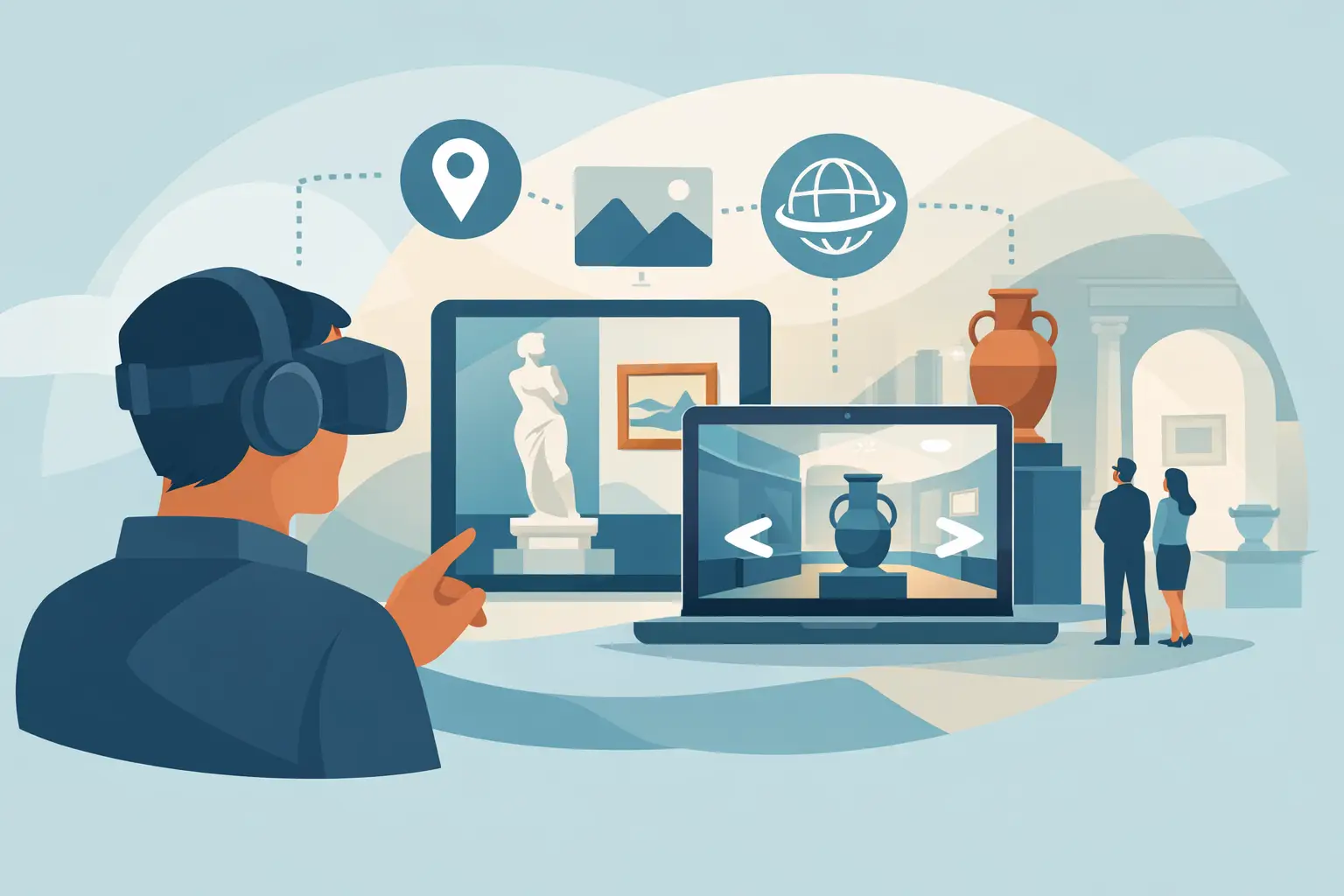
Many museums start by thinking about panoramic photography alone. That is understandable, but it is usually too narrow. A strong museum virtual tour solution should combine spatial capture, intuitive navigation, content layering, and platform performance. In practice, that means visitors should be able to move through galleries naturally, understand where they are, and access interpretation without friction.
For museum teams, the value goes beyond public engagement. A well-built digital environment can support marketing campaigns, school outreach, donor previews, internal planning, and off-site stakeholder presentations. If the institution operates multiple galleries, rotating exhibitions, or heritage spaces with limited physical access, the virtual layer becomes even more useful.
This is where the difference between a simple tour and a strategic digital asset matters. A tour is just media. A solution is built for use.
Why museums need more than a visual walkthrough
Museum leaders are under pressure from several directions at once. They need to increase audience reach, justify programming investment, improve accessibility, and keep pace with changing visitor behavior. Static website content rarely solves those challenges on its own.
A museum virtual tour solution helps because it meets audiences where they already are. Schools can pre-visit an exhibition before a field trip. International visitors can explore collections they may never see in person. Sponsors and partners can evaluate exhibition quality without arranging a site visit. For museums with architectural significance, the building itself also becomes part of the story.
There is also a practical side. Many institutions hold exhibitions that are temporary, fragile, or difficult to document in a conventional format. Spatial capture preserves not only the objects but the curatorial relationship between them – layout, sequence, sightlines, scale, and atmosphere. Those details are often lost in standard photo galleries.
That said, not every museum needs the same level of technical build. A small local museum may need a clean, affordable visitor experience focused on accessibility and visibility. A large institution with traveling exhibitions or education partnerships may need a more advanced environment with hotspots, multilingual layers, analytics, and integration into broader digital systems.
Core features that make the difference
When evaluating options, museums should look beyond surface-level presentation. The first issue is navigation. If visitors feel lost, the experience breaks quickly. Good tours make spatial movement obvious and reduce unnecessary clicks.
The second is content depth. Museums are interpretation-rich environments. A virtual experience should support object labels, curator notes, audio commentary, archival images, and video where appropriate. The challenge is balance. Too little information makes the tour feel empty. Too much turns it into a cluttered interface.
The third is image and scan quality. Artwork, texture, material detail, and room geometry all influence credibility. This is especially important for museums presenting fine art, heritage interiors, or artifact-heavy exhibitions where viewers need to trust what they are seeing.
The fourth is scalability. A museum may begin with one featured gallery and later expand to a permanent collection, special exhibitions, behind-the-scenes spaces, or educational modules. If the original build cannot grow, the museum ends up replacing rather than extending the system.
Finally, there is data utility. Some virtual tours are purely promotional. Others can support asset documentation, exhibition planning, or facility coordination when built on digital twin and spatial data workflows. For museums managing complex buildings or heritage sites, that distinction matters.
Museum virtual tour solution options: what fits which use case
360 photo tours
A 360 tour is often the fastest entry point. It works well for marketing, awareness, and general visitor orientation. It is usually cost-effective and can be deployed quickly for a current exhibition or permanent space.
The trade-off is depth. Basic 360 experiences can feel flat if they lack structured storytelling or interactive layers. They are useful, but they may not be enough for institutions that want stronger educational value or long-term operational use.
Digital twin environments
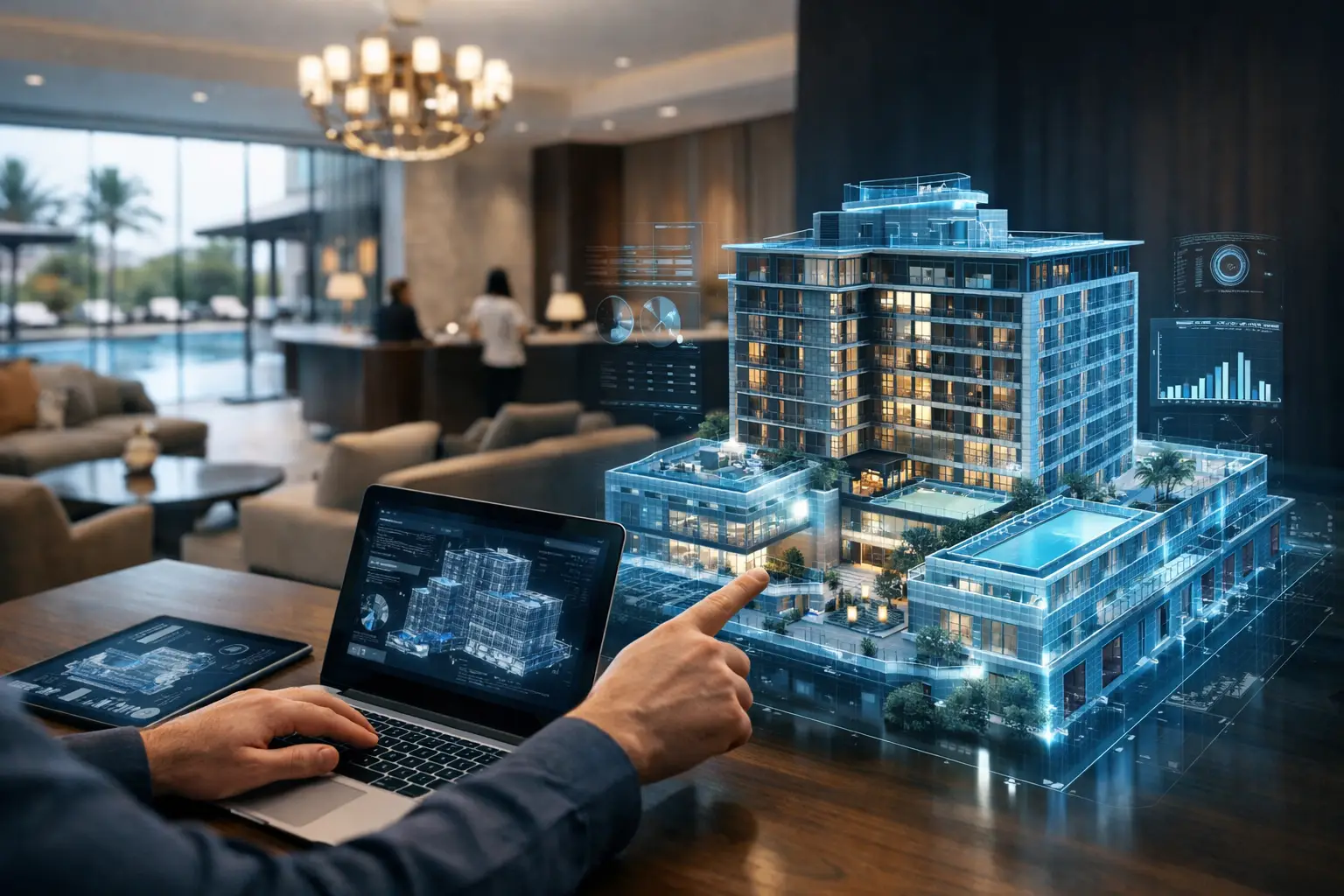
Digital twin-based experiences offer a more advanced museum virtual tour solution, especially where spatial accuracy, navigation quality, and long-term reusability are priorities. These environments can support immersive walkthroughs while also functioning as data-rich digital records of the space.
For museums, this opens more than a visitor-facing use case. Teams can use the same captured environment for exhibition planning, stakeholder review, preservation reference, and remote collaboration. The commercial case improves when one capture process supports multiple departments.
Custom interactive builds
Some institutions need a more curated digital product, especially for flagship exhibitions, donor campaigns, or hybrid educational experiences. A custom build can combine 3D navigation with embedded storytelling, thematic pathways, and branded user journeys.
This approach offers the most control, but it also requires stronger planning. Custom experiences can become expensive if the museum tries to replicate every gallery feature digitally. The better route is usually to prioritize what the online audience truly needs and what the institution needs the platform to achieve.
What museums often underestimate
The technology matters, but strategy matters earlier. Museums often underestimate content planning, metadata structure, and internal ownership. If no one defines which galleries matter most, what interpretation should appear in-tour, or how updates will be managed after launch, even a high-quality build can underperform.
Another common mistake is treating the project as a one-time campaign asset. Visitor behavior changes. Exhibitions rotate. Educational priorities shift. A museum virtual tour solution should be planned like an evolving platform, not a one-off production file.
Performance is another issue. Heavy media can create slow load times, especially for mobile users or school audiences on mixed internet connections. Visual quality is important, but speed and usability often decide whether visitors stay engaged long enough to explore.
How to evaluate ROI without oversimplifying it
Museums do not always measure value in direct sales, and that is fair. Still, a virtual project should be accountable. The strongest business case usually comes from a mix of outcomes rather than one headline metric.
For some institutions, success means increased online engagement and better conversion from website visits to ticket interest. For others, it means stronger sponsor presentations, broader educational reach, or improved access for audiences who cannot visit in person. Museums with venue hire, events, or traveling exhibitions may also use tours to support commercial inquiries and partner confidence.
It helps to define the role of the solution before production begins. Is it meant to increase visibility for a special exhibition? Support archive preservation? Improve accessibility? Help remote decision-making among trustees, educators, and external stakeholders? When the goal is clear, the right level of investment becomes easier to justify.
Choosing the right implementation partner
Museums should look for more than a media producer. They need a partner who understands spatial capture, user experience, and the commercial logic behind digital deployment. That includes advising on scan method, content structure, hosting considerations, and how the virtual environment fits into the museum’s wider digital ecosystem.
This is particularly relevant for institutions managing architecturally complex spaces, heritage constraints, or multi-site operations. In those cases, experience in digital twins, LiDAR-informed workflows, and immersive visualization can significantly improve both capture quality and long-term usability.
The best projects tend to come from teams that ask practical questions early. Which spaces change often? Which exhibits need interpretive depth? Will the museum want future updates? Should the experience support only public visitors, or also internal planning and stakeholder communication? Those questions protect the investment.
A museum virtual tour solution works best when it respects both the story and the space. Technology should not overpower the collection, but it should make the collection easier to access, understand, and share. For museums thinking beyond a short-term digital showcase, the right solution creates something more useful than a tour – it creates an enduring spatial asset that keeps working long after opening day.