
A guest comparing five hotels for a weekend stay can scan hundreds of polished images without understanding a single room. They still cannot judge the distance from the elevator, the feel of the lobby at arrival, or whether the meeting space suits their event. A well-planned guide to hotel virtual experiences addresses that uncertainty by turning the property into an interactive decision-making asset, not another image gallery.
For hotel operators, the commercial objective is clear: reduce hesitation before booking, give direct channels a stronger conversion tool, and help sales teams present the property without waiting for a site inspection. The strongest virtual experiences also have value after the booking journey, supporting group sales, staff orientation, renovation planning, and stakeholder communication.
What a hotel virtual experience should achieve
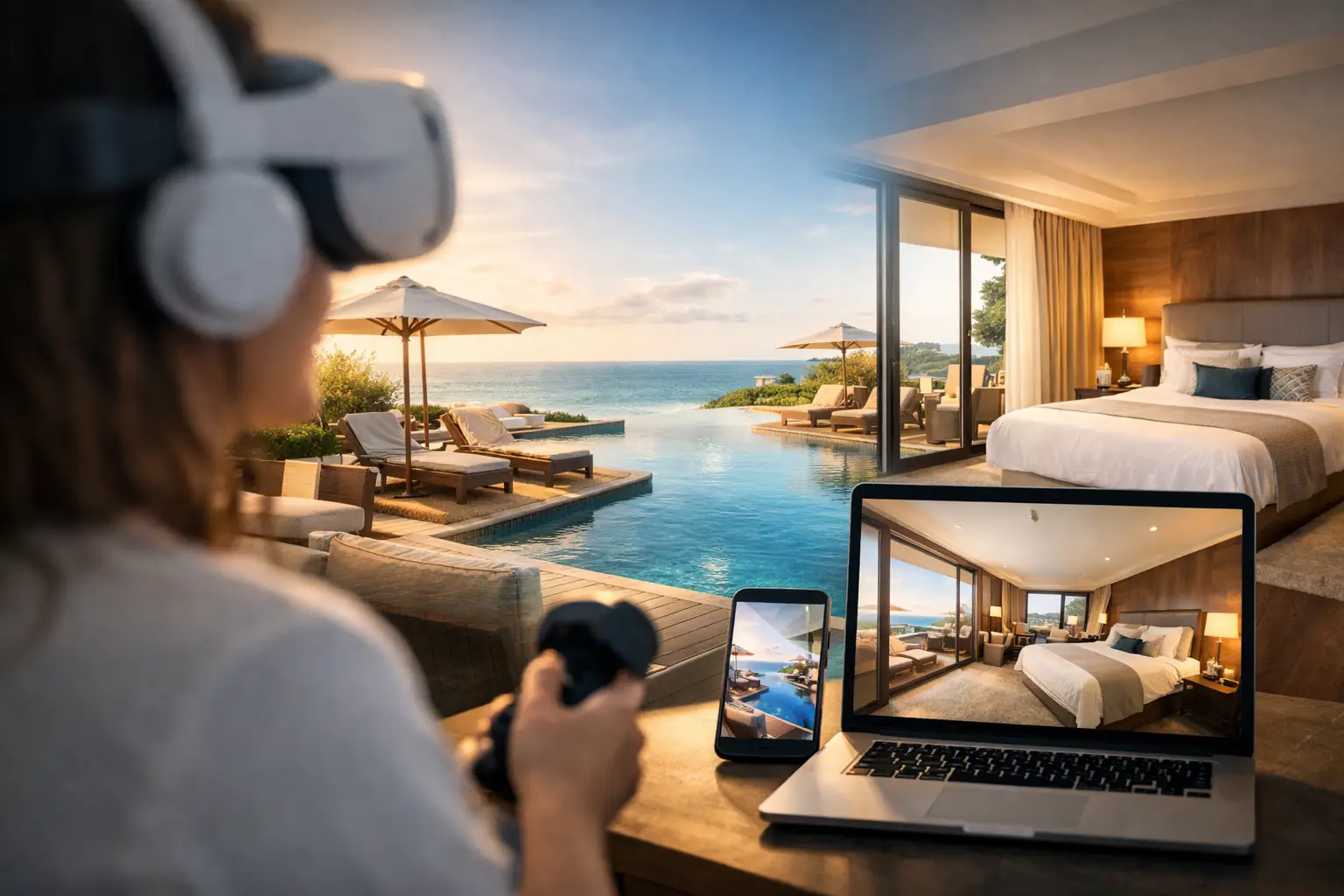
A hotel virtual experience can range from a simple 360-degree room panorama to a data-rich digital twin that lets users move through public areas, guestrooms, event spaces, restaurants, and amenities. The right format depends on the business question it needs to answer.
If the priority is leisure demand, the experience should help prospective guests picture their stay. They need a credible view of room layouts, bathroom configuration, pool access, breakfast settings, and the arrival experience. If the priority is meetings, incentives, conferences, and exhibitions, planners need to assess room capacities, circulation, pre-function areas, loading access, and how spaces relate to one another.
This distinction matters because a virtual tour that only looks attractive may generate attention but fail to advance the booking decision. A useful experience guides visitors toward details that influence revenue: the room category they should select, the venue that fits an event brief, or the on-property feature that separates the hotel from nearby competitors.
Virtual tour, digital twin, or CGI walkthrough?
A 360 virtual tour is often the right starting point for a finished hotel that needs a high-quality, navigable representation of its spaces. It is effective for website engagement, campaign landing pages, social content, and direct booking support.
A digital twin goes further. Built from spatial capture, it creates a connected model of the property that can include navigation, labels, measurements, embedded media, and selected operational information. For larger resorts, convention hotels, or multi-use properties, this structure can serve both marketing and internal teams.
CGI walkthroughs are most valuable when the hotel is under development, undergoing repositioning, or preparing a new room concept before construction is complete. They provide design control that live capture cannot. The trade-off is that CGI must be managed carefully: a visually impressive rendering that overpromises on finishes, views, or room dimensions can create guest expectation issues. For operating properties, real spatial capture generally delivers greater trust.
Build the experience around guest decisions
The common mistake is capturing every corridor and treating coverage as strategy. A hotel virtual experience should be organized around the journey that guests and buyers actually take.
Start with the first impression. The exterior approach, drop-off point, lobby, reception, and signature public areas establish the property’s character. From there, create clear routes to the spaces that carry the greatest booking value: representative guestrooms, suites, dining venues, pool or wellness facilities, executive lounges, and event rooms.
For each area, ask a commercial question. What does a leisure guest need to see before selecting this room category? What would a wedding planner need to verify before arranging a viewing? What does a corporate travel manager need to understand about workspaces, accessibility, or location within the property?
This approach determines which spaces need full navigation, which need concise visual highlights, and which require supporting information. A ballroom, for example, benefits from views that show ceiling height, stage potential, pre-function flow, and access points. A suite should show how the living, sleeping, and bathroom zones connect, rather than relying on a single wide-angle image that makes the space difficult to interpret.
Use information layers without overwhelming the guest
Interactive tags can add real value when they answer questions at the moment they arise. They may identify room features, link guests to amenity details, present a floor plan, show venue capacity options, or introduce a restaurant concept. The key is relevance.
Too many tags turn the experience into a cluttered brochure. Keep the first view clean, then let interested users access deeper information. This is particularly useful for international audiences, who may be researching remotely before contacting a sales representative or committing to a long-haul trip.
For event and group sales, create a distinct path rather than forcing planners to navigate the same journey as leisure guests. A focused route through meeting rooms, banquet spaces, breakout areas, and accommodation options makes the tool easier to use during proposal discussions.
Plan capture with operational precision
High-quality virtual experiences begin before the cameras and LiDAR equipment arrive on site. Hotels are live environments, and capture planning must protect guest comfort while presenting the property at its best.
Schedule around check-in peaks, breakfast service, cleaning cycles, events, and periods of strong natural light. Decide early whether rooms will be captured occupied, staged, or closed for a defined window. A beautifully captured room with inconsistent housekeeping standards or temporary maintenance equipment can undermine the entire asset.
The capture brief should also establish visual consistency. This includes lighting strategy, furniture placement, window treatments, seasonal decor, pool setup, and whether people will appear in selected scenes. Empty spaces may provide clarity for event planners, while carefully managed activity can make restaurants, lobbies, and recreational areas feel more credible. The choice depends on the intended audience and the property’s positioning.
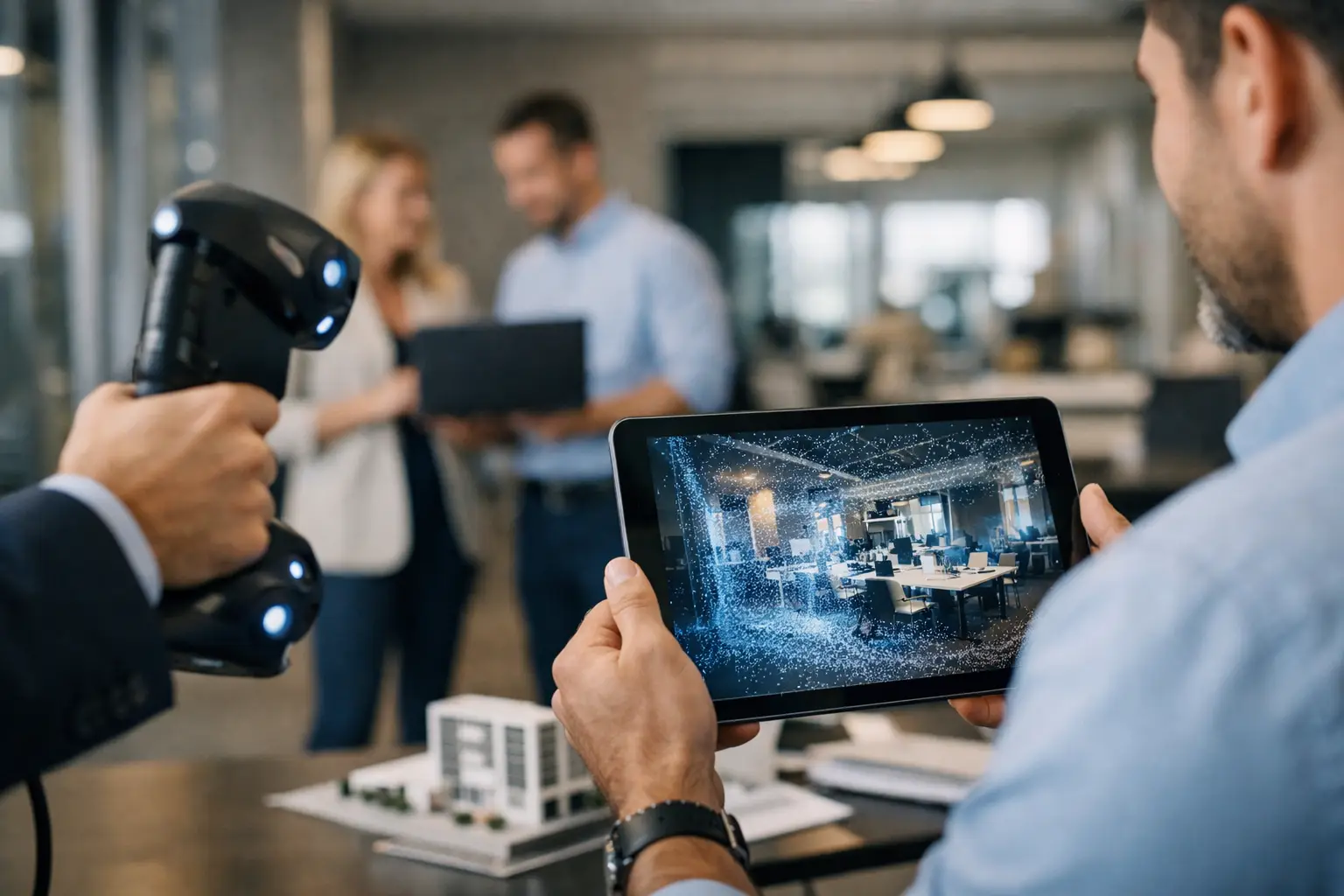
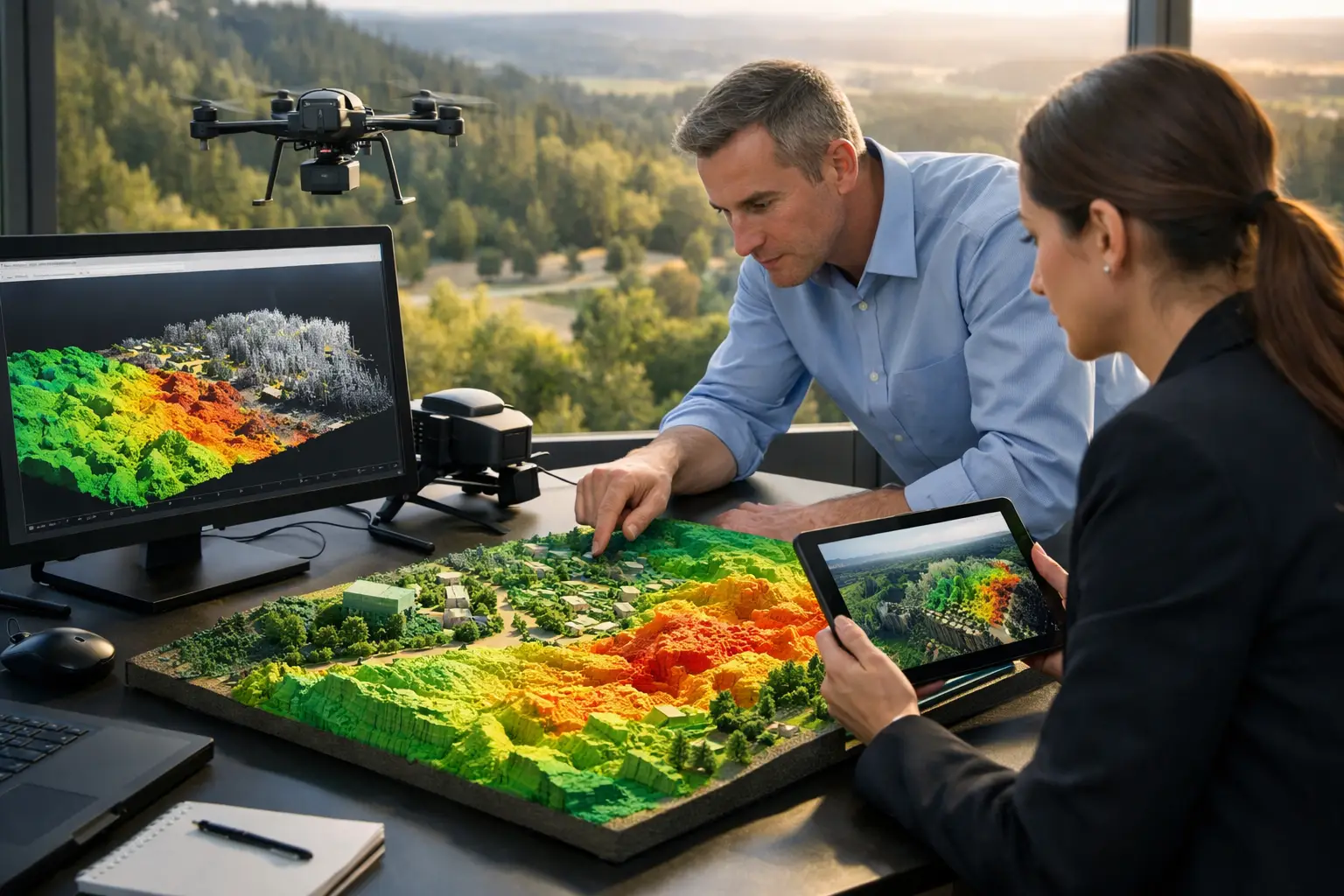
For complex sites, spatial data capture adds another level of value. Accurate scans can support measured views, renovation coordination, as-built reference, and facility planning alongside public-facing marketing. This is where a digital twin can move beyond a campaign asset and become part of a broader property visualization strategy.
Make it work across direct booking and sales channels
The virtual experience should not sit alone on a generic gallery page. Place it where uncertainty is highest and intent is strongest. That may be on accommodation pages, meeting and events pages, wedding inquiries, group proposal materials, or sales presentations.
A direct booking journey benefits when users can explore the exact categories that are available to reserve. If the virtual experience shows a premium suite but the booking path leads only to a broad room-type list, the handoff is weak. Align the virtual content, room naming, photography, and booking engine as closely as practical.
Sales teams should also have a presentation-ready version for video calls and remote client discussions. Instead of sending a static PDF after an inquiry, they can walk a planner through the spaces relevant to the brief, answer questions in context, and qualify interest faster. This does not replace site inspections for every high-value event. It makes the inspection more purposeful and can reduce unnecessary travel for early-stage prospects.
For regional hospitality groups in Malaysia, Singapore, Thailand, Indonesia, and across Southeast Asia, remote accessibility is especially useful when decision-makers are based in another market. A credible virtual walkthrough gives international buyers a reason to progress before schedules, visas, and travel budgets align.
Measure commercial performance, not just views
A virtual experience should be assessed like any other sales enablement investment. View count is useful, but it does not reveal whether the experience is helping the hotel win business.
Track engagement by property area, average exploration time, repeat visits, interaction with information tags, and the pages visitors view next. Then connect these signals to commercial actions: direct booking referrals, event inquiry completions, brochure requests, sales appointments, and proposal progression.
Interpret the data with context. A shorter session may mean a visitor quickly found the relevant room and converted. A longer session can indicate strong consideration, or it can signal confusing navigation. Compare results against page purpose, audience type, traffic source, and booking behavior rather than treating one engagement metric as a universal benchmark.
Hotels should also review the experience after room refreshes, brand updates, restaurant changes, or renovations. An outdated virtual tour can create as much friction as no tour at all, particularly when guests arrive expecting a space that no longer exists. Build an update plan into the initial scope so the asset remains commercially reliable.
Choose a partner that understands both space and revenue
The technical quality of spatial capture matters, but hotel teams also need a partner that can translate a property into a structured guest and sales journey. That means understanding room hierarchy, event conversion, website behavior, visual storytelling, and the operational realities of capturing an active hotel.
Novo Reperio approaches hotel visualization as a scalable spatial asset, combining immersive virtual tours, digital twin workflows, aerial imaging, and data-led capture where the project requires it. The goal is not simply to show more of the property. It is to give prospective guests, event planners, and internal teams clearer evidence to make a decision.
The best hotel virtual experience leaves visitors with fewer unanswered questions and a stronger reason to take the next step. When the digital space reflects the real one with accuracy, intent, and useful context, it becomes part of how the hotel earns trust before the guest ever enters the lobby.