
A buyer in Singapore can inspect a hotel ballroom before booking an event. A property investor in Kuala Lumpur can compare unit views without waiting for a site visit. A facilities team can locate an asset inside a warehouse without relying on outdated plans. The future of virtual showrooms is not simply a better online viewing experience. It is a shift from presenting a space as media to managing it as a searchable, measurable digital asset.
For developers, retailers, hospitality operators, and industrial organizations, that distinction matters. Static photos create interest, but they do not answer the practical questions that delay a decision: How does the layout flow? What is adjacent to the space? Where are the access points? Which finishes, configurations, or room setups are possible? A well-built virtual showroom can answer those questions at the moment of intent, while generating insight into what buyers and stakeholders actually examine.
The Future of Virtual Showrooms Moves Beyond the Tour
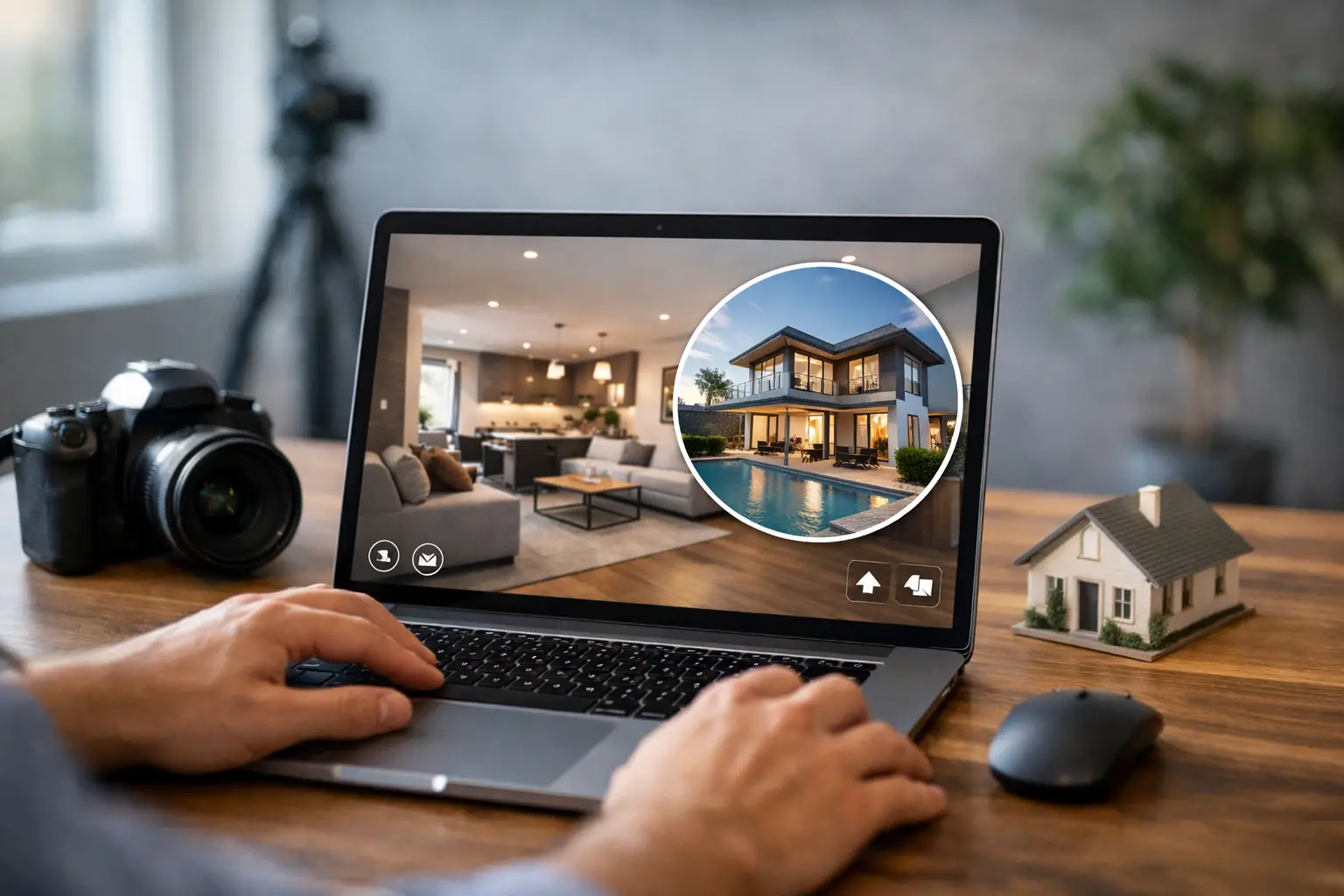
The first generation of virtual showrooms focused on access. Users could enter a 360-degree environment and look around from a browser. That remains valuable, especially for overseas buyers, prospective tenants, and event planners working across markets. But access alone is no longer enough to differentiate a premium property, venue, or product environment.
The next generation connects immersive viewing with useful spatial information. A digital twin can combine panoramic imagery, accurate spatial measurements, floor plans, embedded product information, videos, documentation, and guided pathways in one environment. Instead of asking visitors to imagine how a space works, the showroom can demonstrate it.
For a residential developer, this may mean letting prospects compare furnishing options, inspect common facilities, and understand the relationship between a unit and its surroundings. For an automotive retailer, it may mean presenting vehicle variants, interior finishes, and finance prompts in a branded interactive setting. For a hotel, it may mean helping a corporate planner assess room capacity, event layouts, guest flow, and nearby amenities before arranging a viewing.
The commercial value is clear: better-qualified inquiries, fewer repetitive pre-sales questions, and a shorter path from curiosity to a serious conversation. The technology does not replace site visits for every buyer. High-value decisions still benefit from experiencing materials, scale, sound, and atmosphere in person. It makes those visits more purposeful by ensuring the people who arrive are already informed.
Digital Twins Will Become the Core Infrastructure
A virtual showroom is most effective when it is built from an accurate representation of a real space, not a collection of disconnected visual assets. This is where digital twin technology and LiDAR capture change the model.
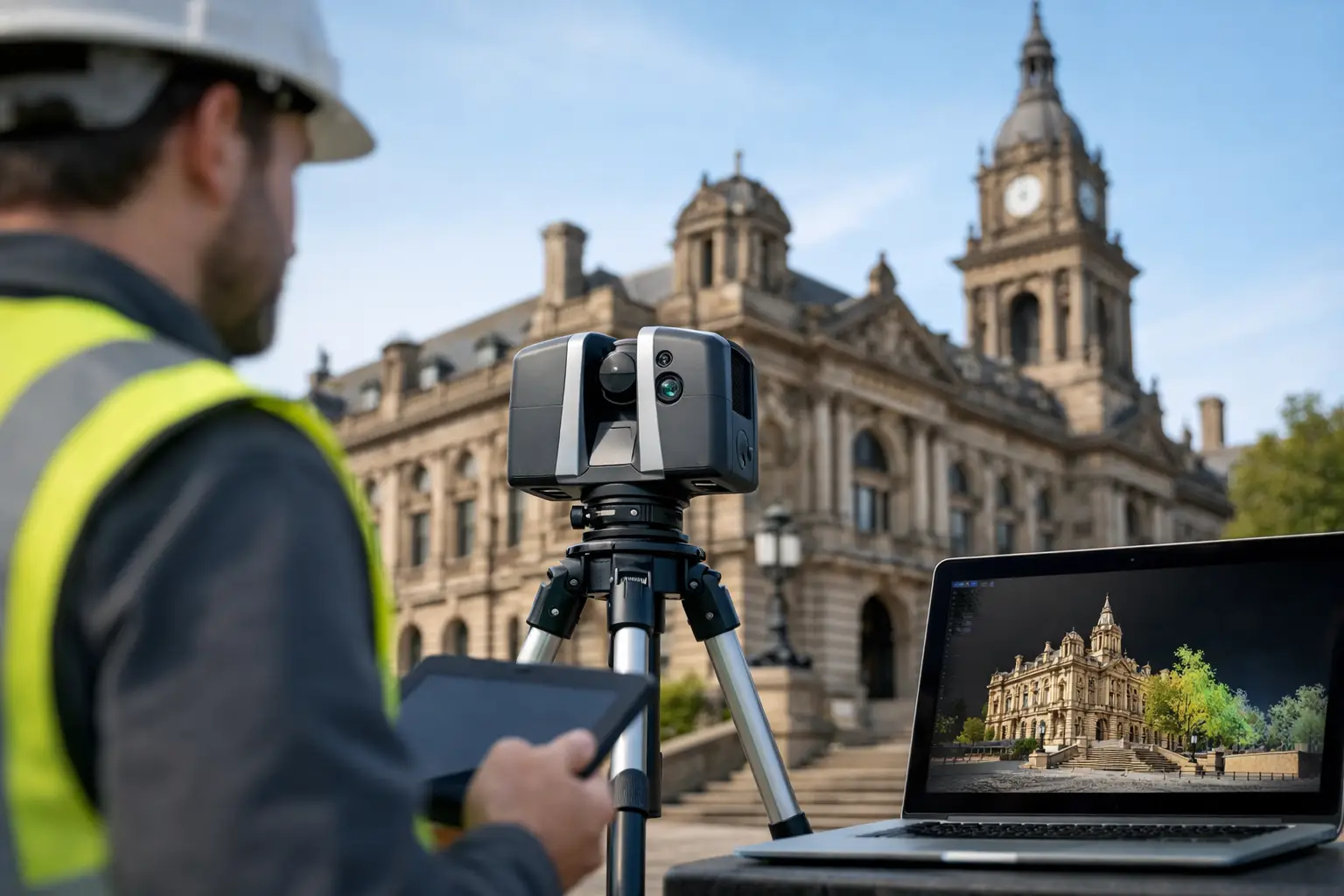
LiDAR scanning records spatial geometry with a level of precision that supports more than marketing. Combined with 360 imagery, it can create an interactive digital twin that helps teams visualize the environment, verify dimensions, coordinate stakeholders, and retain a record of the space at a point in time. For AEC and facility management teams, the same captured environment can support as-built review, renovation planning, maintenance coordination, and remote collaboration.
That reuse is significant. A marketing-only virtual tour may have a limited campaign life. A data-rich digital twin can continue creating value after launch, particularly when it is aligned with floor plans, BIM models, asset records, or operational documentation. The investment case becomes stronger when one spatial capture supports sales, leasing, project coordination, training, and facilities workflows.
This does not mean every showroom requires a full operational digital twin. A pop-up retail campaign may need speed, visual impact, and shoppable product hotspots rather than detailed scan data. A luxury villa launch may prioritize CGI walkthroughs for unbuilt units. The right approach depends on whether the space is existing or proposed, how often it changes, who will use it, and what business process the experience is expected to improve.
Accuracy Builds Trust, Especially for Complex Spaces
In large or technical environments, inaccurate visualization creates risk. A convention center, factory, warehouse, or mixed-use development has circulation patterns, service areas, height constraints, and operational conditions that are hard to communicate through conventional photography. A digital environment based on precise capture gives users a more reliable basis for evaluating the space.
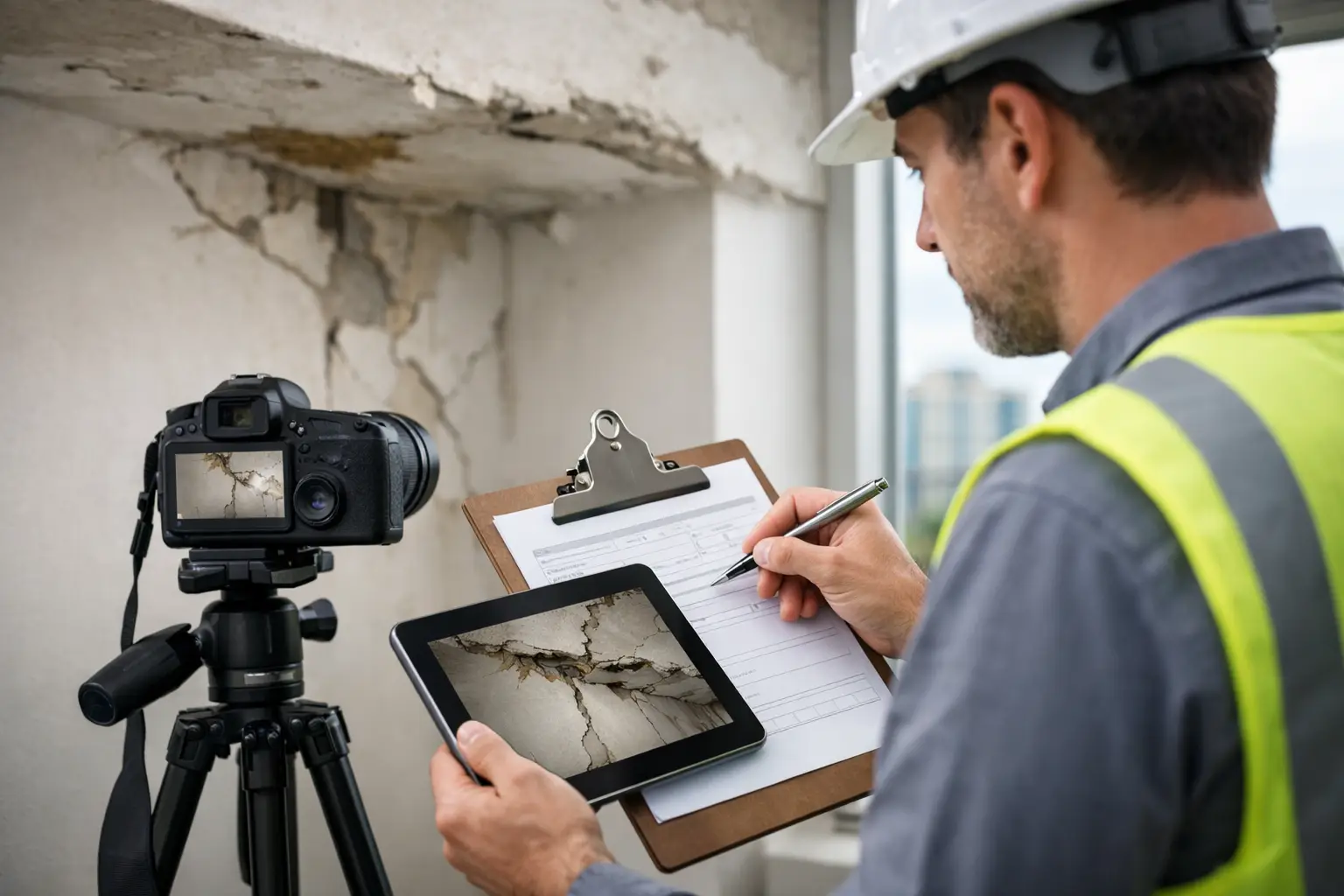
For commercial leasing, this can help prospects understand scale before scheduling a physical inspection. For insurance and restoration, it provides condition documentation that can be revisited by multiple parties. For industrial sites, it can support remote orientation and reduce unnecessary site access. Accuracy does not make the experience less engaging. It makes engagement more credible.
Guided Experiences Will Outperform Open Exploration Alone
A free-roaming tour gives users control, but too much control can leave them uncertain about where to look or what matters. The future virtual showroom will increasingly combine open exploration with guided storytelling.
A visitor might choose a role at the start: buyer, tenant, event planner, architect, or facilities manager. The environment can then surface relevant information and direct the visitor through the most useful areas. A prospective buyer may follow a journey from lobby to amenities to unit finishes. An event organizer may move directly through arrival zones, ballroom configurations, breakout rooms, loading access, and catering facilities.
This is not about forcing every visitor through a scripted sales presentation. It is about reducing cognitive effort. Complex spaces become easier to understand when the experience anticipates the questions each audience is likely to ask.
Human assistance will also remain part of the model. Live guided walkthroughs, virtual appointments, and shared-screen consultations can bring sales teams into the experience when a buyer needs confidence or wants to discuss options. The virtual showroom becomes a more effective setting for those conversations because both parties can point to the same room, feature, or layout rather than interpret a PDF or photo gallery separately.
Interaction Data Will Improve the Sales Process
A physical showroom reveals some buyer behavior, but not much. Staff may know which display attracted attention, yet they rarely know what a visitor researched before arriving, which room they revisited, or where interest dropped.
Digital environments can provide those signals when analytics are designed responsibly. Teams can examine entry sources, time spent in key zones, the most-used navigation paths, hotspot engagement, appointment requests, and content interactions. These metrics should not be treated as vanity numbers. A high number of tour entries means little if visitors leave before reaching the relevant product or booking action.
The useful question is whether the showroom improves a business outcome. For a property campaign, that may be qualified leads or viewing-to-reservation conversion. For hospitality, it may be direct inquiry quality and faster event planning. For retail, it may be product discovery, add-to-cart behavior, or store appointment bookings. For facility teams, it may be reduced time spent locating information or coordinating remote stakeholders.
Analytics require restraint. Overloading a digital environment with pop-ups, forms, and tracking prompts can undermine the premium experience it is meant to create. Teams should collect the information needed to improve the journey, explain data practices clearly, and connect insights to a defined action such as better campaign targeting or a revised sales script.
CGI and Reality Capture Will Work Together
There is often a false choice between capturing reality and creating a polished rendered experience. In practice, the strongest virtual showrooms will use both.
Reality capture is ideal for existing assets where accurate representation, rapid deployment, and spatial reliability matter. It works well for operational facilities, completed properties, hospitality venues, galleries, retail stores, and commercial spaces available for lease. CGI is essential when a project is under construction, when designs are still evolving, or when multiple finish packages and layouts must be visualized before they exist.
A hybrid approach can be particularly effective. A developer may use a digital twin for completed common areas and a CGI walkthrough for future unit types. A retailer can capture a flagship store while using rendered modules to preview seasonal product displays. The goal is not to use the most technology. It is to create a truthful, persuasive experience that matches the stage of the asset.
Adoption Will Depend on Integration, Not Novelty
Virtual showrooms will become standard where they fit naturally into the systems teams already use. A showroom that lives alone as a campaign asset may attract attention, but it has limited long-term influence. One connected to a website, CRM workflow, booking process, product catalog, property listing platform, or facilities documentation can support an entire customer or operational journey.
This is where implementation discipline matters. Teams need clear ownership of content updates, lead routing, access permissions, brand controls, and performance reporting. A digital twin should be treated as a maintained business asset, especially for spaces that change through renovations, tenant turnover, seasonal displays, or construction progress.
For organizations operating across Southeast Asia, remote accessibility is especially valuable, but it must be designed for real user conditions. Mobile usability, loading performance, language requirements, and practical navigation are as important as visual quality. A highly detailed experience that performs poorly on common devices will not deliver the intended reach.
The organizations that benefit most will not ask whether a virtual showroom looks impressive. They will define the decision it needs to improve, the audience it must serve, and the information that should be available when interest is highest. Build around that moment, and the digital space can keep working long after the first viewing ends.