
A virtual tour can be visually exceptional and still underperform if it sits on a page like an afterthought. Effective website integration for virtual tours positions the experience inside a defined buyer journey: it gives visitors context before they enter, clear actions while they explore, and an easy route to make contact when interest is highest.
For property developers, hotels, showrooms, venues, and industrial operators, the goal is not simply to publish a 360-degree view. The goal is to turn a physical location into a measurable digital asset that improves visibility, qualifies interest, and supports faster remote decisions.
Why Virtual Tour Placement Changes Results
An embedded tour is not automatically an integrated tour. A basic embed may allow a visitor to navigate a space, but it often leaves them without a reason to continue. They may not understand the property type, available units, booking options, technical specifications, or the next step in the sales process.
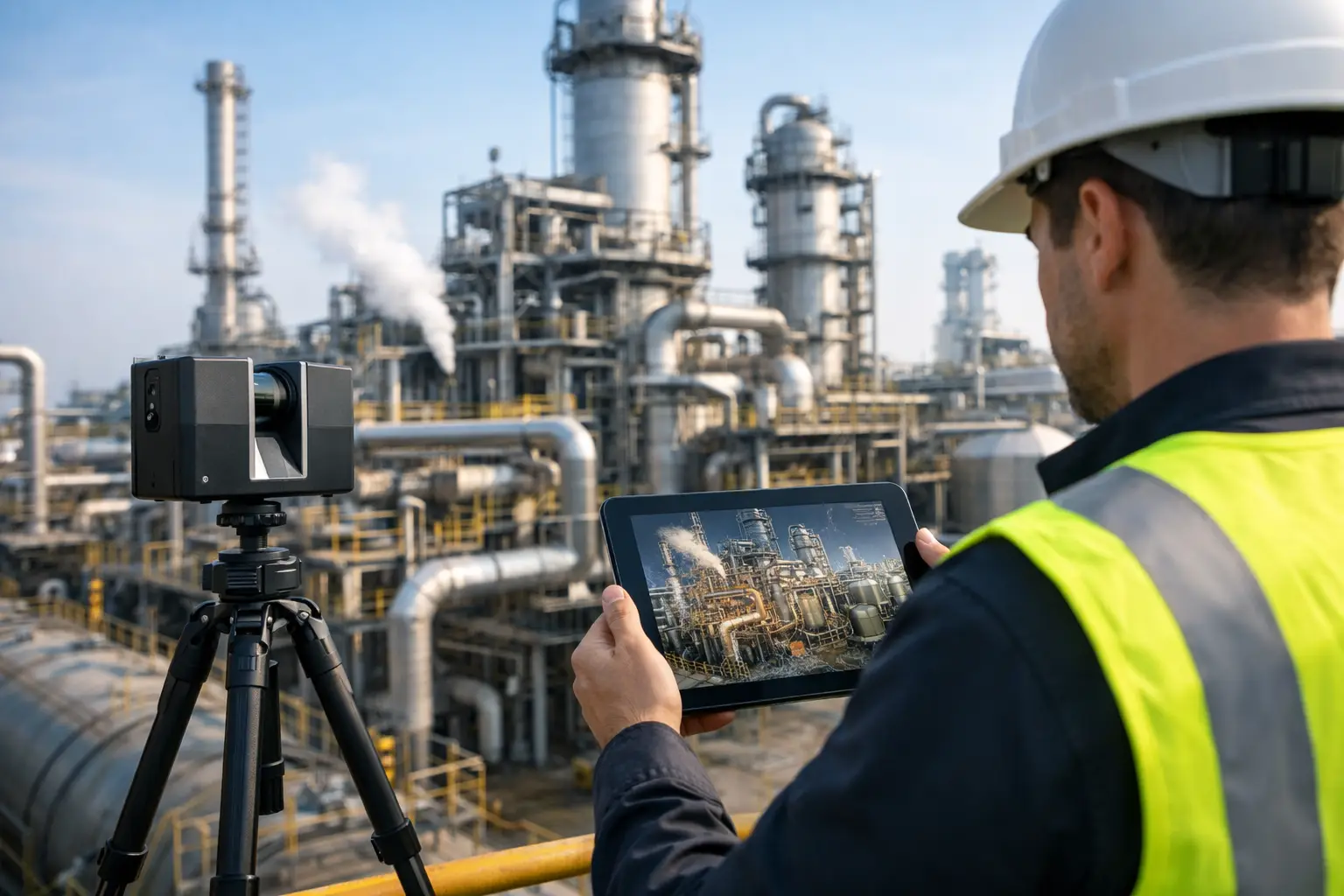
Integration connects the tour to the commercial purpose of the page. On a residential development website, that may mean placing the tour beside unit details, location benefits, a brochure request, and a viewing form. For a hotel, it may mean connecting room tours to availability, event-space capacity, and direct booking prompts. In a warehouse or factory context, a digital twin may support maintenance planning, internal training, or stakeholder review rather than lead generation.
The same capture can serve different objectives. What changes is the website environment around it.
Start With the Decision You Want Visitors to Make
Before selecting a player layout or building a landing page, define the primary outcome. A tour page should typically focus on one high-value action, such as booking a physical viewing, requesting a quotation, submitting a leasing inquiry, or arranging a site assessment.
Trying to prioritize every possible action weakens the page. A commercial property prospect may be ready to request floor plans, while a leisure traveler may want to check room features before booking. The tour should support that intent, not compete with it.
Match the Experience to Visitor Intent
Visitors arriving from a paid campaign may need a focused landing page with a direct introduction and an immediate tour preview. Visitors already browsing a project website may benefit more from the tour appearing within the relevant property, room, gallery, or venue page.
A full-screen tour can create impact for premium residences, hospitality spaces, museums, and flagship retail environments. However, it is not always the best opening experience. If the page has no context, visitors may explore briefly and leave without understanding what makes the location commercially relevant.
A useful page introduces the space in a few precise lines, then places the tour where it supports the decision. Adjacent content should answer the questions a serious prospect will ask: What is this space? Who is it for? Where is it located? What are its key dimensions, features, or configurations? How can I proceed?
Design Website Integration for Virtual Tours Around Conversion
The tour itself is only one component of the page. Navigation, call-to-action placement, supporting media, mobile behavior, and tracking all influence whether immersive engagement becomes a business opportunity.
Place a clear action near the tour rather than relying on a generic contact button in the website header. This could be “Schedule a Viewing,” “Request Event Package,” “Check Availability,” or “Talk to Our Team.” The wording should reflect the visitor’s intent and the complexity of the purchase decision.
For high-consideration assets, it is sensible to offer more than one path without creating clutter. A buyer may want to download specifications before speaking with sales. A venue planner may want capacity details and a floor plan before requesting a proposal. These actions should be visible, concise, and relevant to the specific space being viewed.
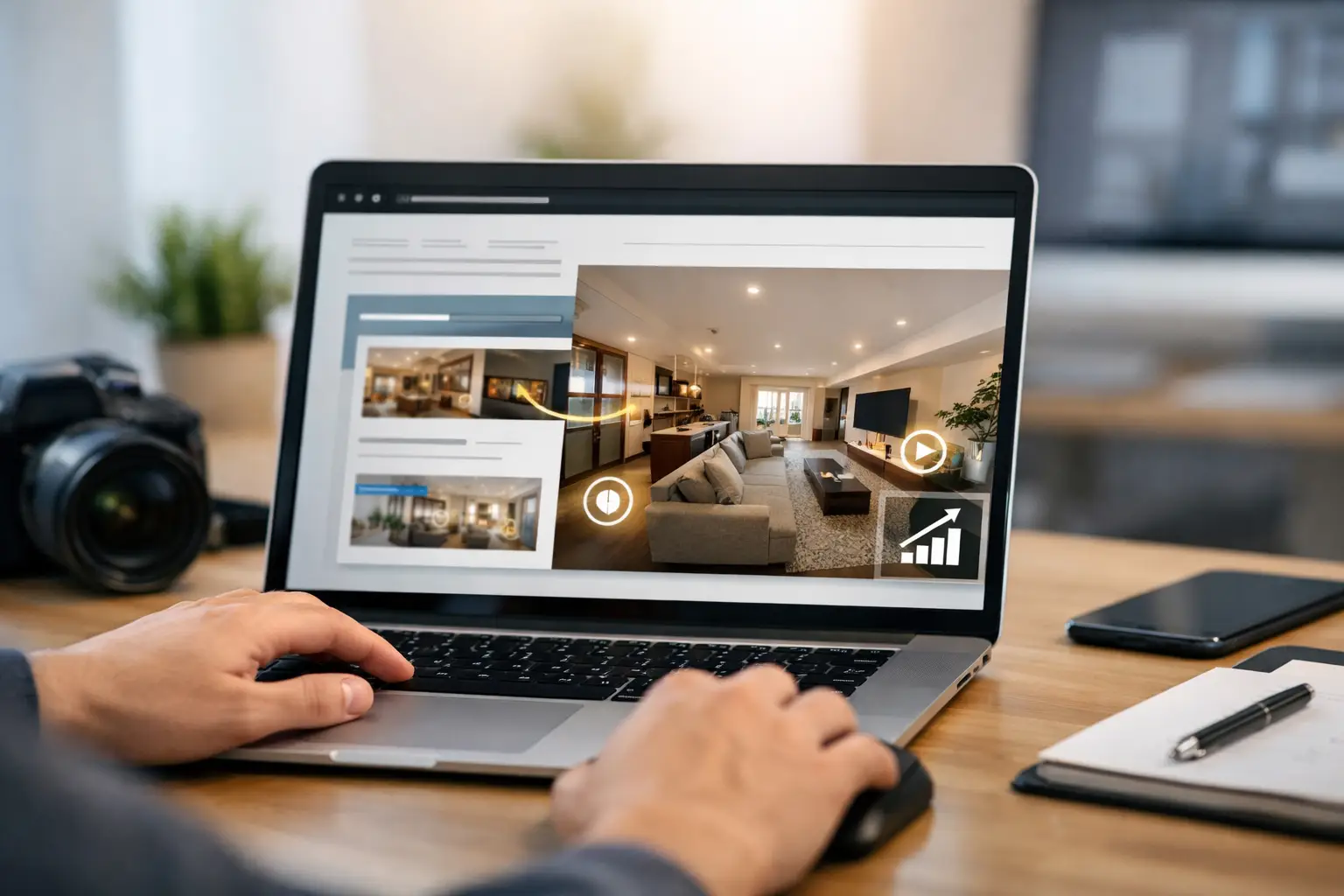
Interactive tags inside a Matterport digital twin or 360 tour can add another layer of value. A tag can identify a room category, point out a premium finish, explain equipment, show a configuration option, or open an inquiry prompt. The best tags reduce uncertainty. Too many tags, particularly decorative ones, can make the experience feel like a technical demonstration instead of a practical decision tool.
Protect Page Speed Without Reducing Impact
Virtual tours are media-rich. They can require significant loading resources, especially when a page also contains high-resolution photography, drone footage, renderings, and multiple tracking scripts. Slow performance can reduce engagement before visitors see the space.
The answer is not necessarily to remove the tour. It is to control how and when it loads. A branded poster image, a short loading message, and delayed loading until the tour is near the visitor’s screen can improve initial page performance. The opening image should show a meaningful view of the property or facility, not a blank player frame.
Mobile testing is equally important. Many prospective guests, tenants, and property buyers will first encounter the tour on a phone. Buttons must remain easy to tap, text must stay readable, and the tour should not force awkward scrolling or trap users inside an interface without a clear exit.
There is a trade-off here. Full-screen immersive presentation can create stronger visual impact, while an embedded format keeps visitors closer to project details and conversion actions. The right choice depends on the campaign source, audience behavior, and the value of the space being presented.
Make the Tour Part of the Measurement Framework
If the only metric is page views, it is difficult to know whether the tour is producing value. Track the actions that show progression: tour starts, time spent exploring, key tag interactions, brochure requests, form submissions, phone calls, and booking clicks.
These signals help distinguish curiosity from intent. For example, a hotel operator may find that visitors who explore ballroom layouts are more likely to submit event inquiries than visitors who only view guest rooms. A developer may learn that overseas buyers spend longer in unit tours but prefer messaging-based follow-up instead of a standard web form.
This data should guide iteration. If visitors start the tour but rarely inquire, the issue may be unclear next steps, insufficient property information, or a call to action placed too far from the experience. If the tour is rarely opened, the preview image, headline, or page placement may need attention.
For campaigns with multiple channels, use consistent naming and tracking across paid search, social media, email, and property portals. This makes it possible to compare not only traffic volume but also the quality of engagement each channel generates.
Build Trust Into the Digital Experience
A virtual tour should make a property or facility easier to evaluate, not harder. For commercial spaces, include accurate information about area, ceiling height, access, available configurations, and relevant amenities. For hospitality, show the experience honestly and provide practical details around room categories, dining, meeting spaces, and accessibility.
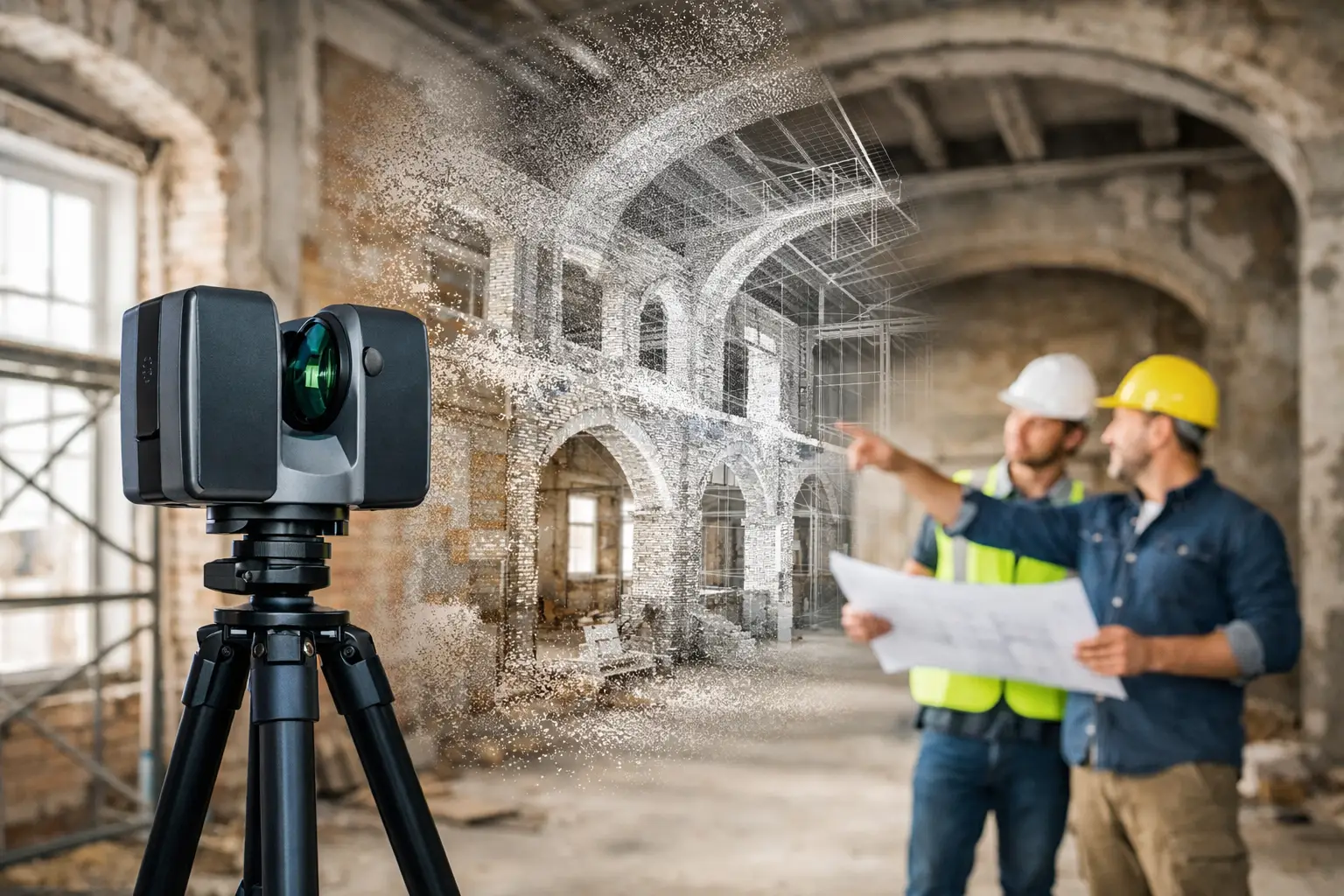
Accuracy matters even more where the tour supports operations, documentation, or technical review. A LiDAR-informed digital twin or Scan-to-BIM workflow can extend beyond marketing by giving project teams a reliable spatial reference for renovation planning, progress communication, asset review, and remote stakeholder coordination.
Not every public-facing tour needs to expose every area. Sensitive operational zones, occupied tenant areas, security infrastructure, or confidential project details may require restricted access. Public marketing tours and secure stakeholder environments should be planned as separate experiences when necessary.
Treat the Tour as a Long-Term Digital Asset
A property website often changes after launch. Units are sold, room categories are updated, exhibitions rotate, tenants change, and facilities are renovated. The tour experience should be reviewed as part of that ongoing digital maintenance, not treated as a one-time campaign file.
Update the surrounding copy, calls to action, tags, and availability information as the commercial situation changes. If a location has been refurbished, consider whether the existing virtual experience still represents the standard visitors will encounter. An outdated tour can create friction precisely when it was meant to build confidence.
Novo Reperio approaches this work as an integration project, combining spatial capture, website development, and conversion thinking so that immersive media has a clear role in marketing and operations.
The most effective virtual tour does not ask visitors to admire the technology. It lets them assess a real space with confidence, understand why it fits their needs, and take the next useful step while that confidence is still fresh.