
A vacant unit rarely sells the way it should. Buyers struggle to judge scale, tenants cannot picture fit-out potential, and marketing teams end up asking static photos to do too much. That is where virtual staging vs physical staging becomes a commercial decision, not just a design preference.
For developers, brokers, landlords, and hospitality marketers, the real question is not which option looks better in isolation. It is which method helps a space perform better across listing portals, presentations, remote viewings, and decision-making cycles. In many cases, the strongest answer depends on timeline, asset type, target audience, and how the space will be marketed beyond a single photoshoot.
Virtual staging vs physical staging: what changes in practice
Physical staging means furnishing and styling a real space before photography or in-person viewing. It creates a tangible environment that visitors can walk through. Done well, it adds emotional appeal and helps buyers understand room use instantly.
Virtual staging applies furniture, decor, and styling digitally to photos or rendered views of the property. The room itself stays unchanged, but the marketing visuals present it as finished, furnished, and more usable. This approach has become especially effective for empty apartments, new launches, serviced residences, show units still under construction, and commercial spaces where multiple layout scenarios need to be presented.
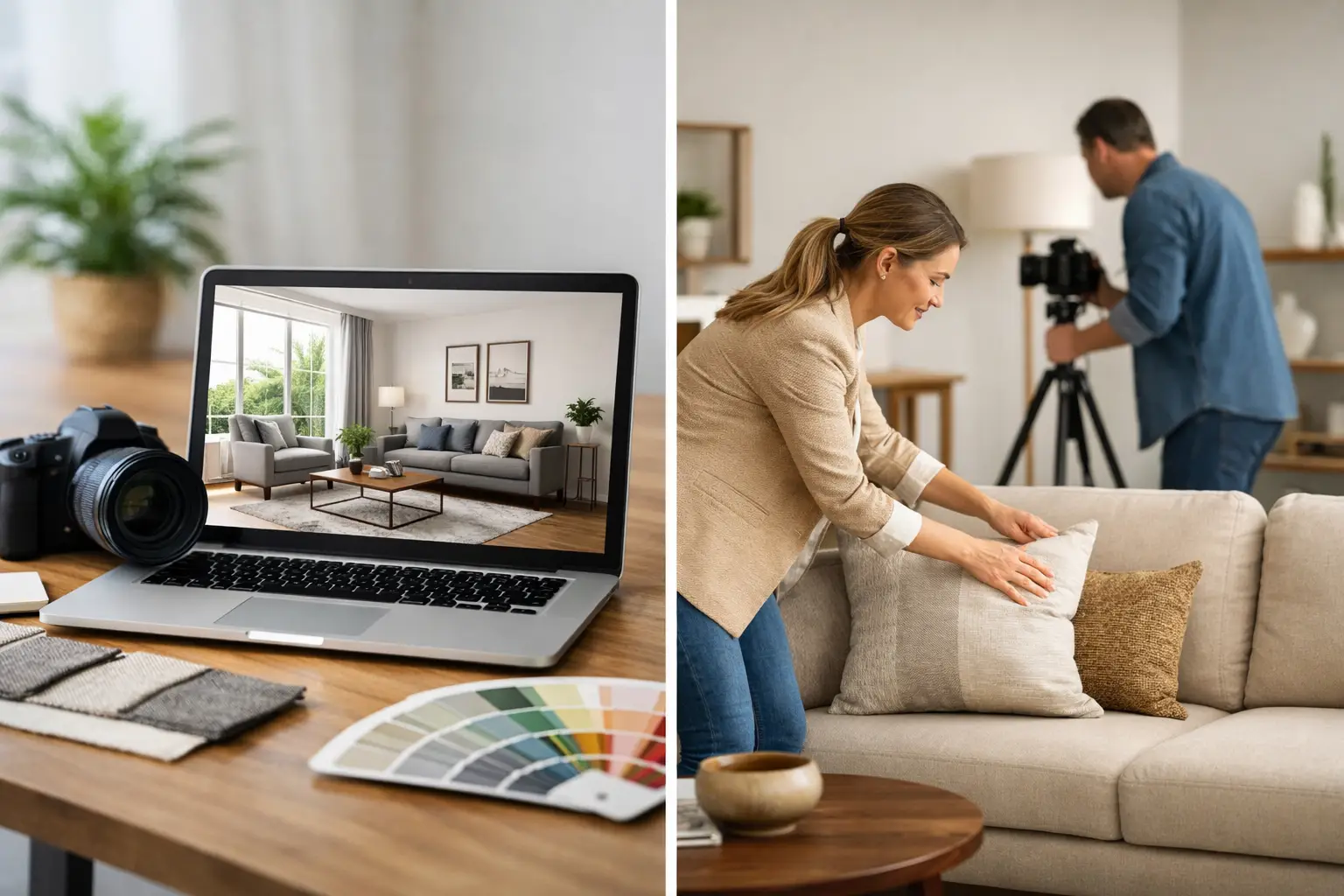
The practical difference is control. Physical staging controls the real-world viewing experience. Virtual staging controls the digital presentation. If your sales process starts online, and increasingly it does, that distinction matters.
Where physical staging still delivers strong value
Physical staging is still highly effective when the in-person experience is the deciding factor. In luxury residential, premium hospitality, and flagship commercial leasing, the feel of the space can influence perception as much as the floor plan itself. Materials, lighting, circulation, and furniture scale are easier to assess when a prospect is physically present.
It also works well when a property will host repeated viewings over time. A staged show unit can support sales teams, agents, and investor visits without requiring every interaction to be digitally explained. For some high-value assets, that consistency justifies the higher setup cost.
The trade-off is operational. Furniture rental, delivery, styling, installation, and removal all add cost and coordination. If a room layout needs to change, or if several buyer personas need different visual concepts, physical staging becomes less flexible. A family-oriented layout, an investor-focused layout, and a minimalist executive layout cannot all exist in the same room at once.
Where virtual staging creates better commercial leverage
Virtual staging is often the stronger option when speed, scalability, and campaign flexibility matter more than a physical walk-through. It allows one space to be styled in several ways for different audience segments, without moving a single chair.
For property marketers, that means faster go-to-market timelines and more creative control. For developers, it means launch materials can be prepared before show units are fully dressed. For commercial leasing, it means empty office floors can be visualized as executive suites, coworking layouts, or collaborative workspaces depending on the tenant target.
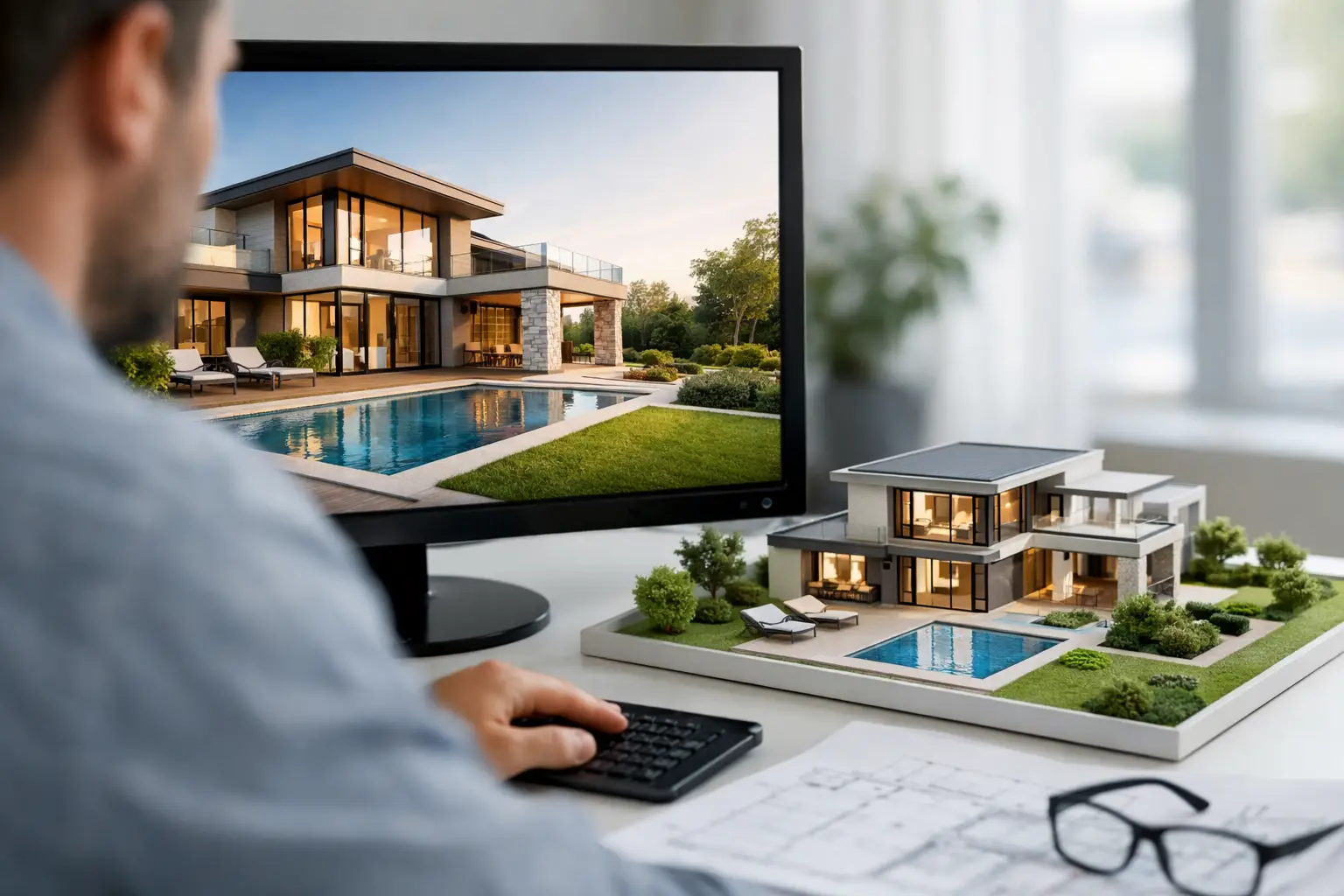
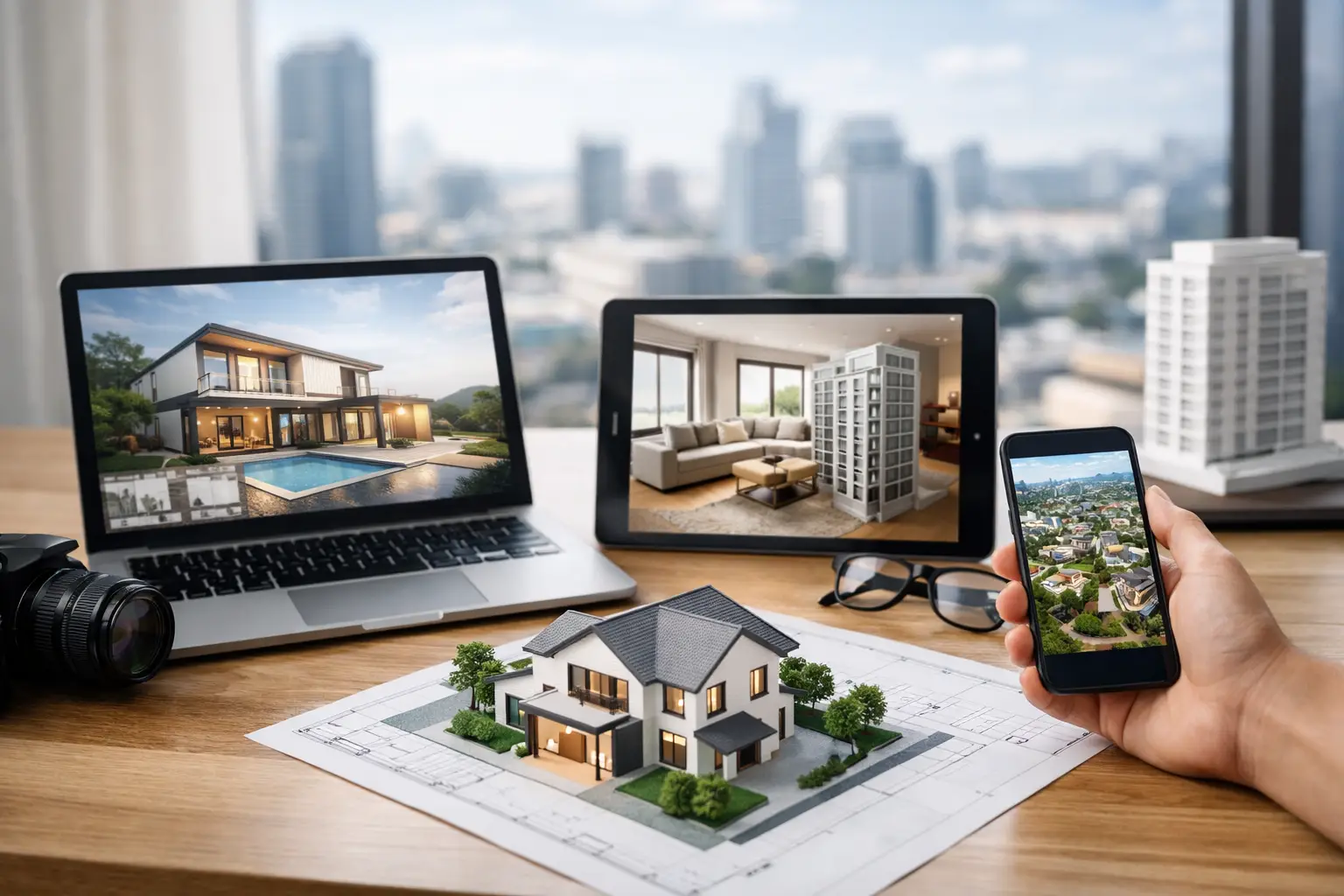
This is where digital workflows start to outperform traditional staging. When virtual staging is paired with high-quality photography, 3D rendering, or a digital twin environment, the space becomes more than a listing image. It becomes a decision tool. Stakeholders can review layout intent remotely, compare fit-out concepts, and shorten the time between first impression and serious inquiry.
For regional markets like Malaysia and Singapore, where buyers, investors, and tenants may evaluate assets remotely before traveling, that flexibility has direct value. A well-executed virtual presentation helps the asset stay active in the pipeline even when physical access is limited.
Cost is not just about production price
A common mistake in the virtual staging vs physical staging discussion is comparing only the upfront bill. Physical staging usually costs more to execute. Virtual staging is usually more affordable per room or per concept. But commercial value comes from total campaign efficiency, not just production line items.
Physical staging can make sense if one completed space will support months of high-value viewings. Virtual staging can make more sense if the same asset needs to be marketed across brochures, portal listings, social campaigns, investor decks, and remote presentations with different visual treatments.
There is also the cost of delay. If physical staging adds weeks to preparation, that delay can affect launch momentum, occupancy timelines, and lead flow. Virtual staging is often favored because it helps assets enter the market faster, especially for new developments, unsold inventory, and vacant commercial units.
Buyer trust depends on execution quality
The biggest weakness of virtual staging is not the format itself. It is poor execution. If digital furniture looks oversized, shadows are inconsistent, or the styling is unrealistic for the property class, trust drops immediately. Sophisticated buyers notice when visuals feel artificial, and that can undermine the credibility of the listing.
Physical staging has its own version of this problem. If the furniture is too small, too generic, or disconnected from the buyer profile, the space can feel staged for the sake of staging. That may not damage trust, but it can fail to move the conversation forward.
Quality control matters more than format choice. Good staging, whether digital or physical, should clarify the space rather than distract from it. It should match the architecture, reflect the expected buyer or tenant, and support the commercial positioning of the asset.
Digital marketing changes the decision
Ten years ago, physical staging had a more obvious advantage because the sale often depended on a site visit. Today, many first impressions happen on mobile devices, inside listing platforms, and through remote presentations. That shifts the balance.
If your target audience is filtering dozens of properties quickly, visual clarity matters more than tactile presence at the earliest stage. Virtual staging helps empty rooms compete in a crowded digital environment. It gives proportion, purpose, and aspiration to spaces that would otherwise appear cold or difficult to interpret.
This is especially relevant for projects marketed through 360 tours, CGI walkthroughs, and immersive digital experiences. In those cases, virtual staging is not simply decoration. It is part of a broader visualization strategy that improves engagement and supports remote qualification. Novo Reperio works in that space because the objective is not just to make rooms look furnished. It is to make physical environments easier to understand, compare, and act on.
When a hybrid model is the smartest option
For many projects, the best answer is not either-or. It is both.
A hybrid approach works well when one or two flagship spaces are physically staged for premium in-person viewing, while the rest of the inventory is virtually staged for scale. This model is especially effective for residential developments, hospitality assets, and large commercial sites where a single physical setup cannot represent every room type or usage scenario.
The hybrid route also gives teams more agility. A show suite can deliver sensory impact on site, while virtual staging supports digital campaigns, international outreach, and alternative concept presentations. That means your marketing assets work harder without requiring every square foot to be physically dressed.
How to choose the right approach
The right decision usually comes down to five factors: how quickly the asset needs to launch, whether the buyer journey is primarily digital or in person, how many layout scenarios need to be shown, how often the space will be viewed, and how important remote decision-making is to your pipeline.
If speed, budget efficiency, and multi-channel marketing are priorities, virtual staging usually has the advantage. If the asset relies on sensory experience, repeated walkthroughs, and a premium physical presentation, physical staging may justify the investment. If the campaign needs both broad digital reach and a strong on-site experience, hybrid staging is often the strongest commercial model.
What matters most is treating staging as part of sales infrastructure rather than visual decoration. The goal is not to fill a room. The goal is to reduce friction between interest and action.
A well-presented space should help people make decisions faster, with more confidence and fewer unanswered questions. That is the standard worth aiming for, whichever staging method you choose.