
A hotel can lose a direct booking before the guest ever reaches the rates page. If the space feels unclear, generic, or hard to picture online, interest drops fast. That is why a digital twin for hotels guide matters now. It is no longer just a visual extra for luxury properties. It is becoming a practical tool for hotel marketing, operations, and asset planning.
For hotel owners, operators, and marketing teams, the real question is not whether 3D capture looks impressive. It is whether a digital twin improves booking confidence, supports remote decision-making, and creates a usable digital asset beyond the sales cycle. In many cases, the answer is yes – but only when it is planned around business outcomes rather than novelty.
What a digital twin for hotels guide should actually cover
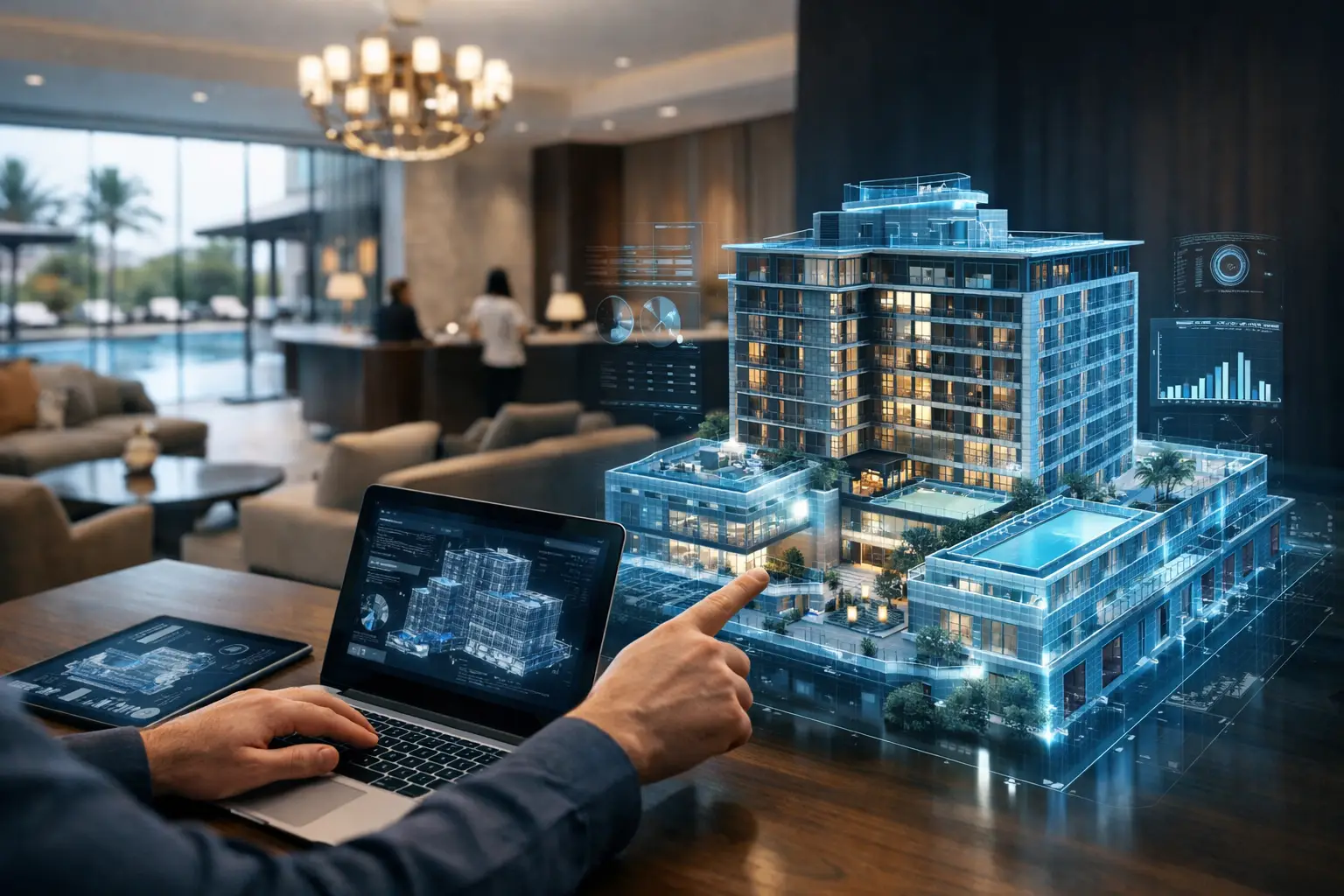
A hotel digital twin is a navigable, spatially accurate digital replica of a physical property. Depending on the workflow, it can combine 360 walkthroughs, measurement data, LiDAR capture, tagged information points, and integrations with asset documentation or property planning tools.
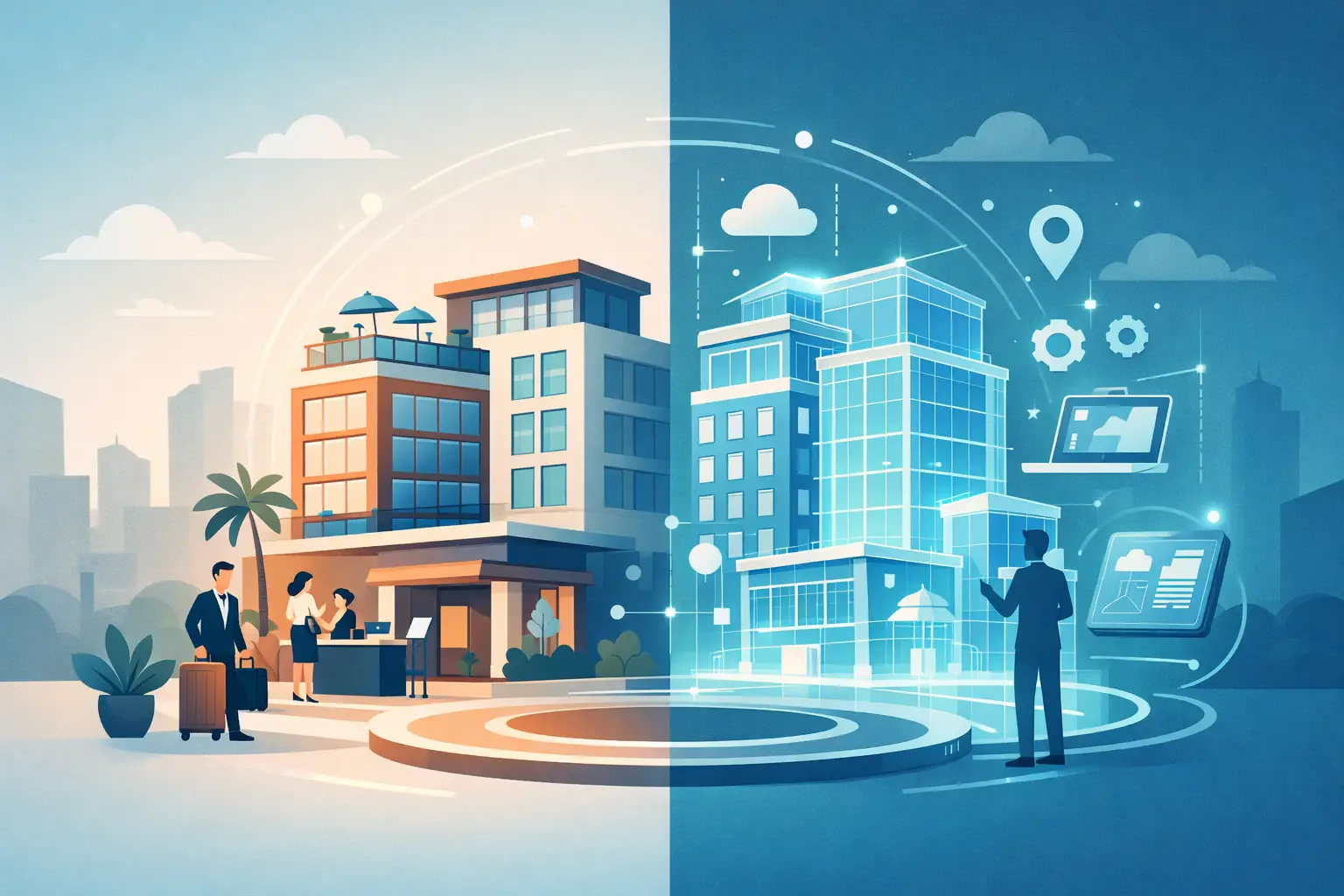
That distinction matters. A virtual tour is usually built for viewing. A digital twin can be built for viewing, documenting, coordinating, and managing space. For hotels, that means one captured environment can support several functions at once: guest marketing, event sales, renovation planning, staff familiarization, and remote stakeholder review.
Not every hotel needs the same level of detail. A boutique property promoting unique room character may prioritize presentation and storytelling. A large resort or mixed-use hospitality asset may need a more technical model that supports operations, maintenance coordination, and renovation planning. The right scope depends on the property type, the decision-makers involved, and what the digital asset is expected to do after launch.
Where digital twins create real value for hotels
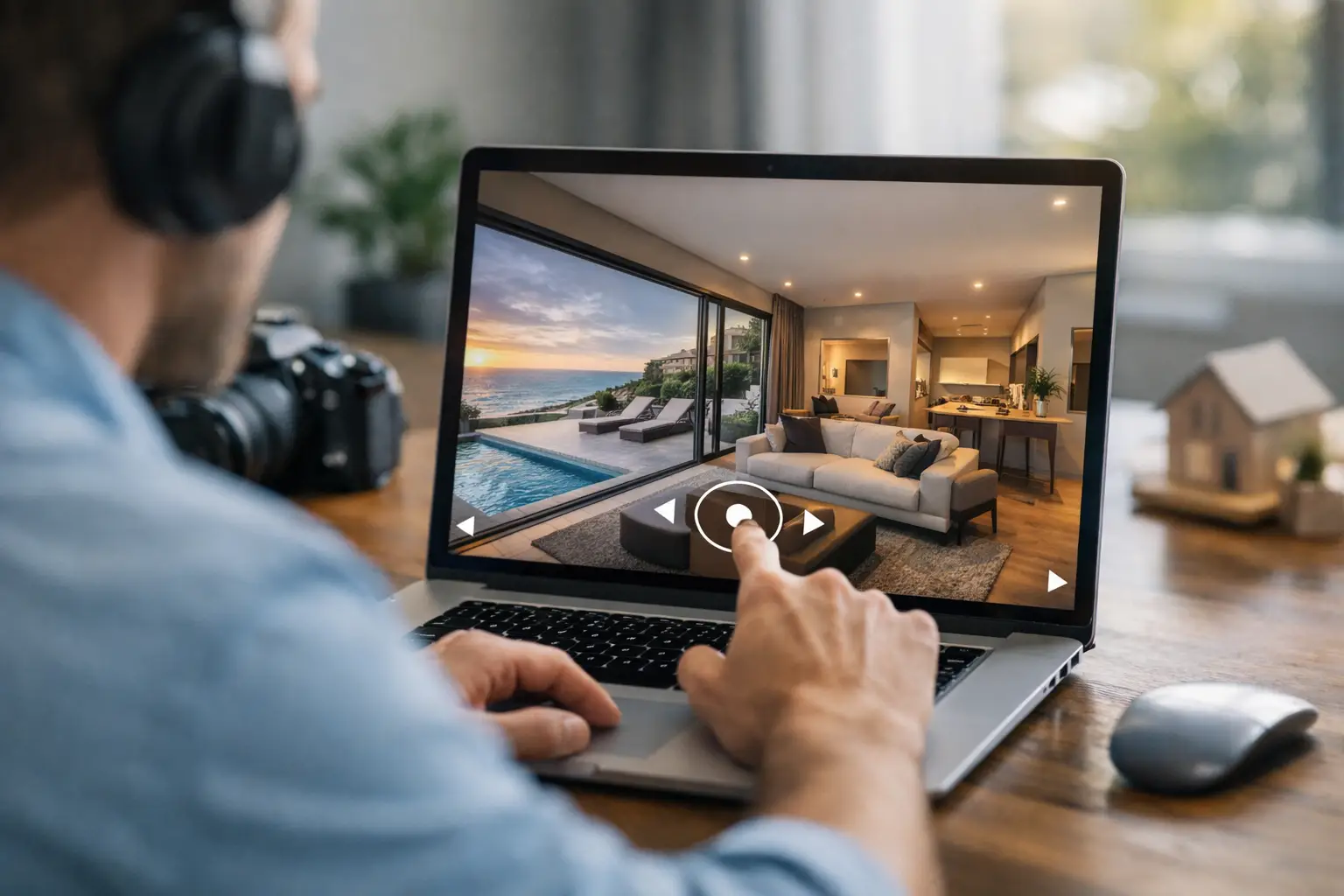
The clearest commercial use case is booking confidence. Static photography can show design, but it rarely shows spatial flow. Guests want to understand how the lobby connects to the reception area, how large a suite feels, or whether a family room layout actually fits their needs. A digital twin reduces that uncertainty.
This is especially useful for hotels competing on space, design, views, or event capabilities. A guest considering a premium room category often needs more than polished images. They need context. A digital twin gives them the ability to move through the property at their own pace and understand what they are buying.
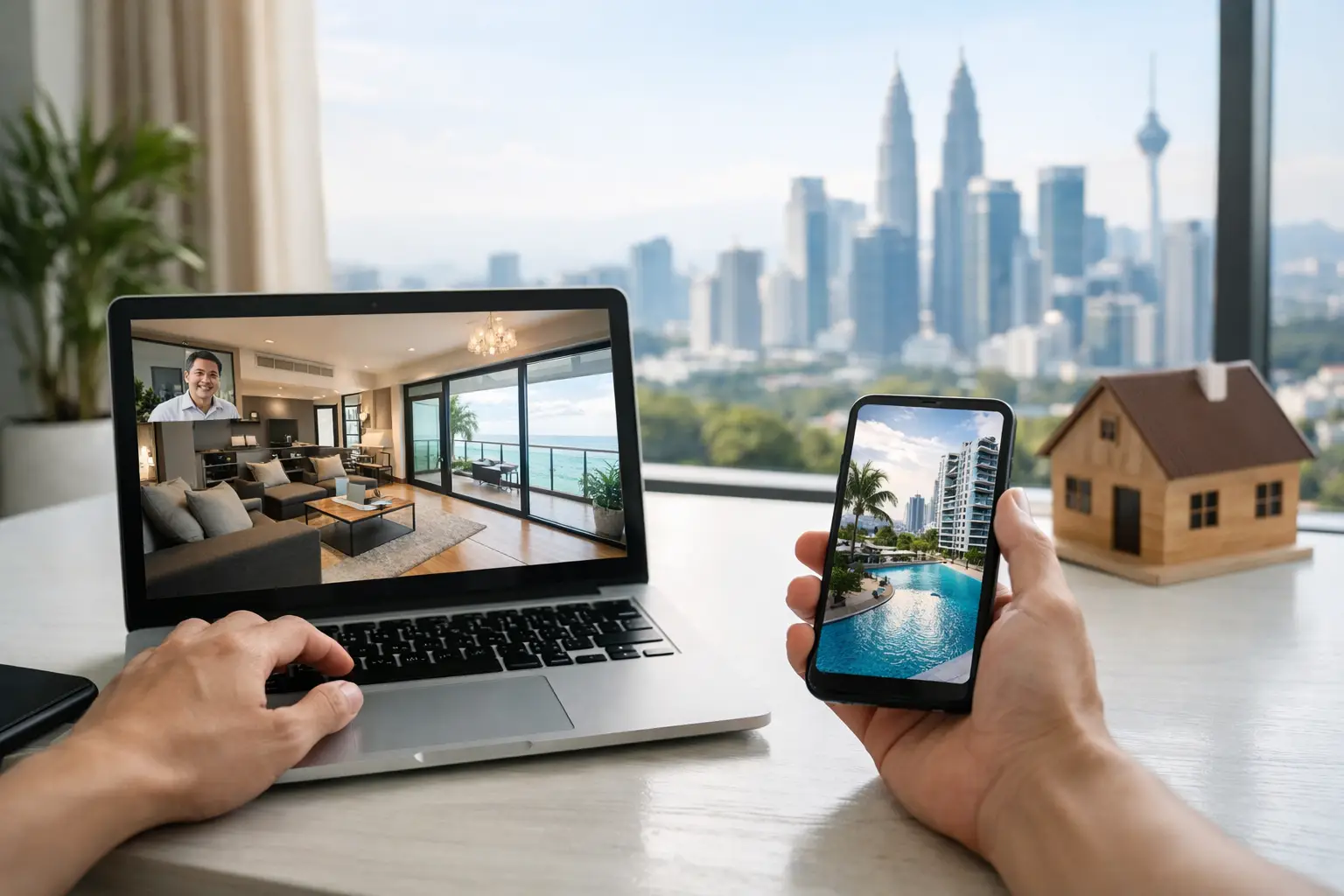
For sales teams, the impact goes beyond leisure bookings. Meetings, incentives, conferences, and weddings are often sold remotely. Event planners want to inspect ballroom circulation, pre-function areas, meeting room adjacency, loading access, and breakout spaces without waiting for a site visit. A well-executed digital twin shortens that evaluation process and helps qualify serious inquiries faster.
Operationally, the value is different but just as practical. Engineering teams, property managers, and owners can use digital twin data to review site conditions without being on location. This becomes more relevant when planning refurbishments, documenting existing conditions, or coordinating with architects, contractors, and consultants. When paired with LiDAR or Scan-to-BIM workflows, the model can support technical decisions, not just visual presentation.
Guest experience value versus operational value
Hotels often make the mistake of thinking a digital twin has to serve one department. In practice, the strongest return usually comes when multiple teams use the same captured environment.
Marketing wants higher engagement and stronger differentiation. Sales wants a clearer way to present room categories, venues, and premium facilities. Operations wants a visual record of space. Ownership wants assets that support capex planning and remote approvals. These goals are different, but they can sit on the same digital foundation.
That said, there are trade-offs. A marketing-led model may focus on atmosphere, highlights, and intuitive navigation. An operational model may prioritize measurement accuracy, utility areas, back-of-house access, or technical overlays. Trying to force one model to do everything without planning often leads to compromises. The smarter approach is to define primary and secondary use cases from the start.
How hotels should scope a digital twin project
The first decision is coverage. Some hotels only need public areas, signature rooms, dining spaces, and event venues. Others benefit from full-property capture, including service corridors, wellness areas, and selected back-of-house zones. Full coverage creates more long-term utility, but it also requires more planning around access, privacy, and staging.
The second decision is fidelity. If the goal is direct booking support, visual quality and user flow matter most. If the goal includes renovation planning or as-built documentation, capture accuracy and downstream model usability become more important. This is where many hotel teams underestimate the gap between a visually appealing walkthrough and a technically useful spatial dataset.
The third decision is integration. A digital twin should not sit in isolation if the hotel intends to use it across departments. It may need to support website embedding, sales presentations, facilities reference, or BIM-related planning. The earlier these use cases are defined, the stronger the implementation.
Common mistakes hotels make
One common mistake is treating digital twins as a one-off campaign asset. That limits ROI. A hotel that captures its property once and never updates key spaces after renovations, rebranding, or room redesign will see value decline over time.
Another mistake is over-scanning without strategy. More capture is not always better. If users cannot navigate easily or if the model includes areas that add little commercial or operational value, the experience becomes heavier without becoming more useful.
A third mistake is ignoring presentation standards. Hospitality is detail-sensitive. Poor lighting, visible housekeeping carts, inconsistent room staging, or scanning during active guest disruption can weaken the perception of the property. Spatial accuracy matters, but so does brand presentation.
What to evaluate before choosing a provider
A strong provider should understand both capture technology and hotel use cases. That means more than producing a navigable model. It means advising on scan scope, movement flow, data quality, staging requirements, and post-capture applications.
For hotels planning renovations, expansions, or major repositioning, technical capability matters even more. Providers with LiDAR mapping, 3D spatial documentation, and Scan-to-BIM experience can create assets that remain useful after the marketing launch. That long-term value often justifies a more strategic approach.
It is also worth asking how the asset will be maintained. Hotels are dynamic environments. Room types change. Restaurants are refreshed. Public spaces are reconfigured. A digital twin should be treated as part of the property’s digital infrastructure, not just a campaign visual.
Is a digital twin right for every hotel?
Not always in the same way. An economy hotel with standardized rooms and minimal event business may see more limited value from full-property deployment, though selected use cases can still work well. A resort, lifestyle hotel, serviced residence, or event-led property usually has far more to gain because the guest decision depends heavily on understanding the environment.
The same applies to ownership structure. Independent hotels may use digital twins to compete harder on differentiation and direct bookings. Branded properties may use them to support sales teams, owner reporting, and project coordination within wider brand standards.
For properties across Southeast Asia, there is an additional advantage. Remote buyer and traveler behavior is now normal, especially for regional and international decision-makers comparing venues without immediate site access. A high-quality digital twin helps bridge that gap with more confidence than flat media alone.
The practical path forward
The best starting point is not technology selection. It is business clarity. Identify whether the immediate priority is direct booking conversion, event sales enablement, renovation planning, owner communication, or a mix of these.
From there, define the spaces that matter most, the level of technical detail required, and how the asset will be used after delivery. Hotels that take this approach tend to get stronger returns because the digital twin is built around decisions, not just visuals.
For companies like Novo Reperio, the value of this work sits in combining immersive presentation with spatial precision. That combination gives hotel teams something more useful than a tour. It gives them a digital asset that can market, inform, and support planning across the life of the property.
A hotel is already a carefully designed physical experience. The real opportunity is making that experience legible online, useful to internal teams, and credible to decision-makers who may never visit in person before they commit.