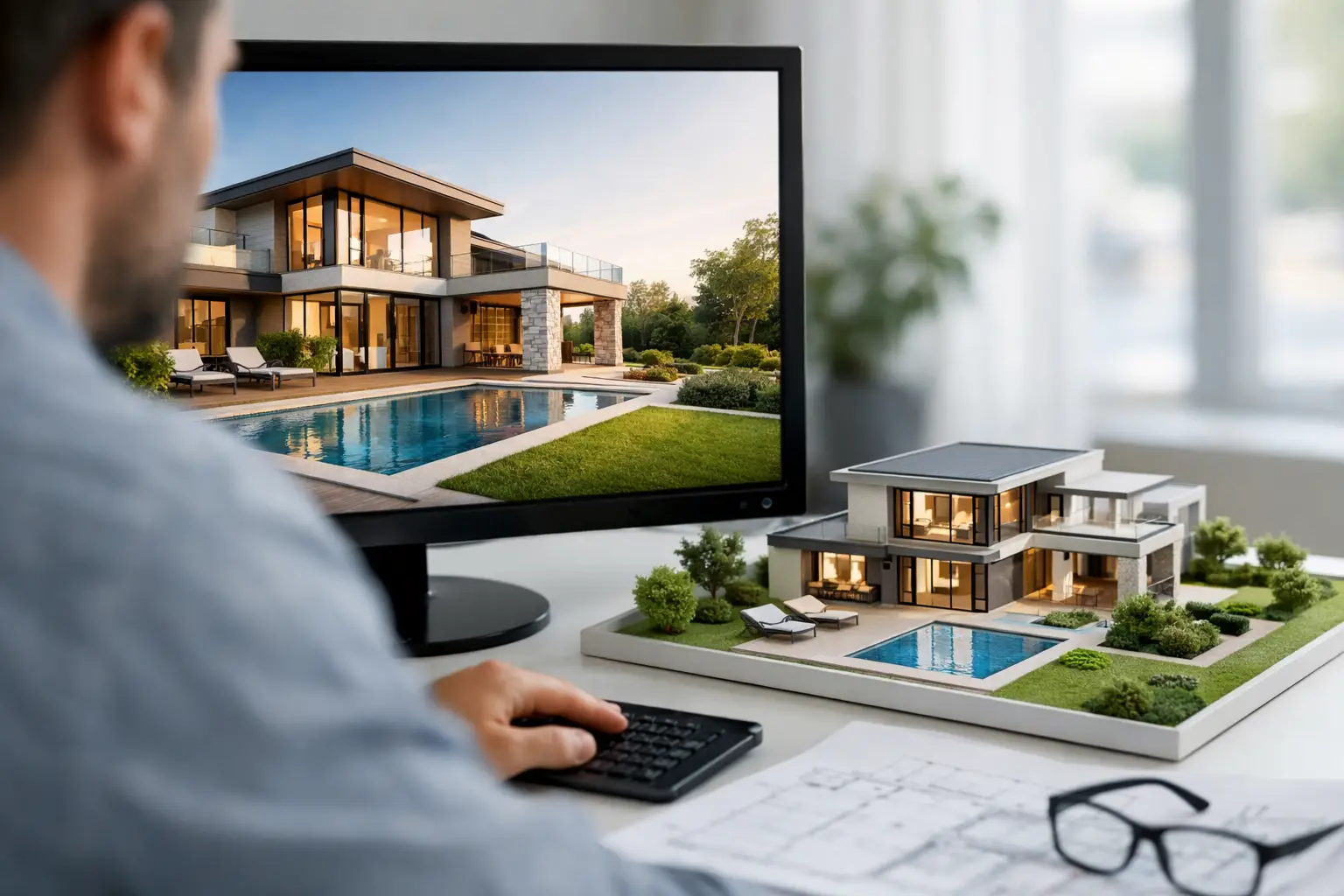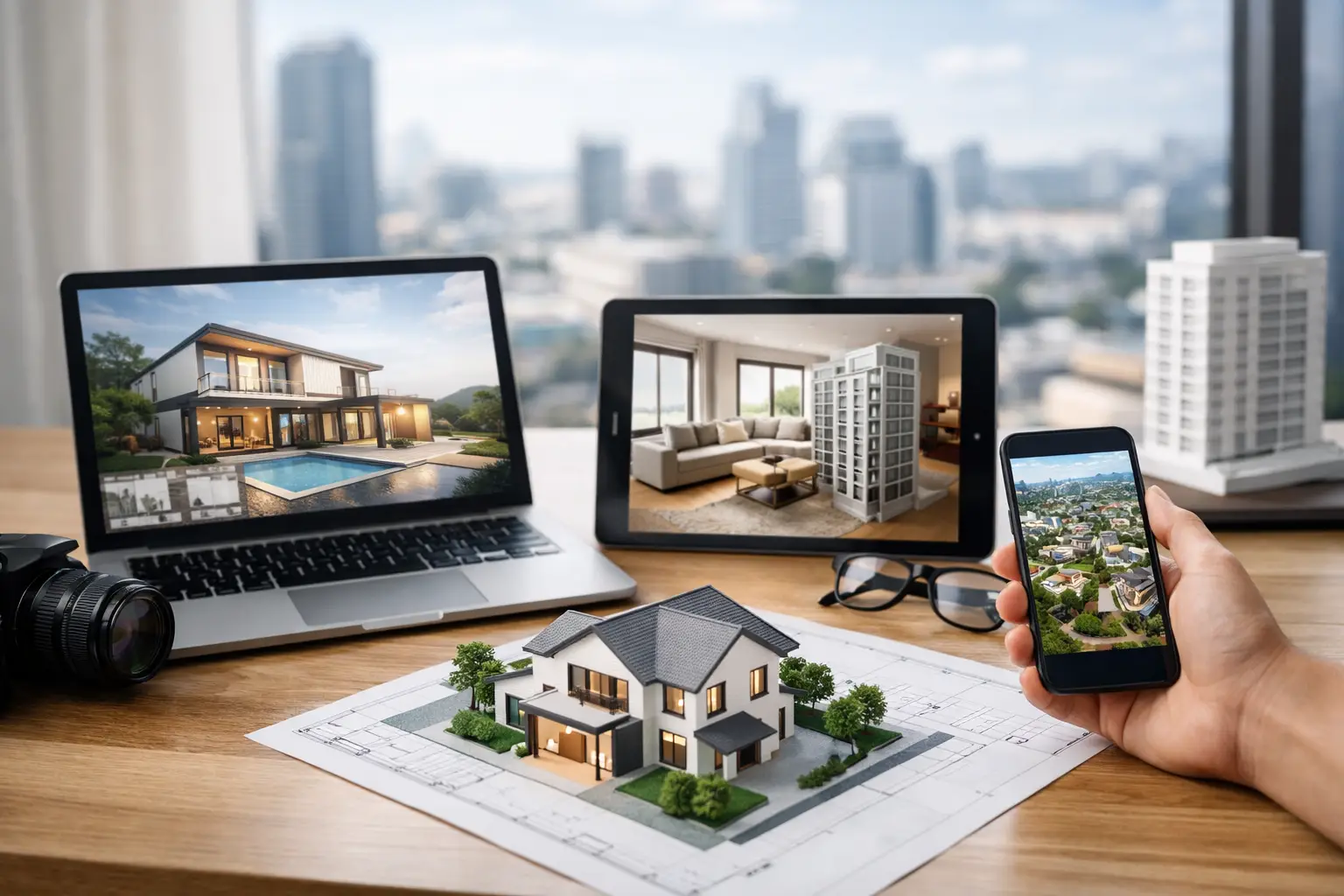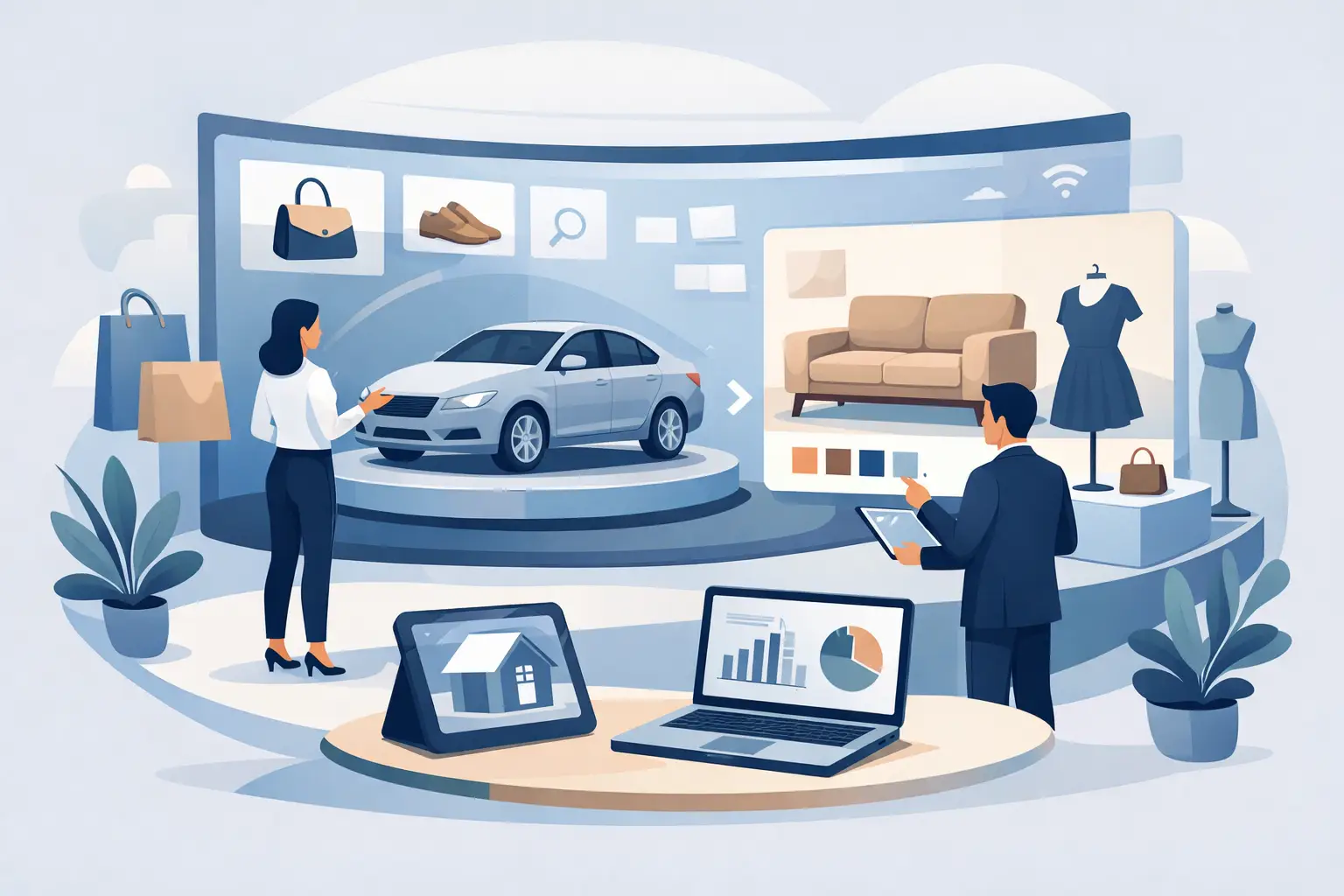

A digital showroom fails for one simple reason more often than most teams expect: it looks impressive, but it does not help buyers make a decision. That is the real starting point for how to create digital showroom experiences that perform commercially. The goal is not to recreate a room on a screen. The goal is to turn a physical environment into a digital asset that shortens the path from interest to action.
For property developers, hospitality operators, retailers, and venue managers, that distinction matters. A polished virtual experience can attract attention, but unless it supports product discovery, trust, and next-step conversion, it becomes another marketing layer with limited return. The strongest digital showrooms are built with both visual quality and business function in mind.
How to create digital showroom with a business goal first
Before cameras, scans, renders, or platform choices, define what the showroom needs to achieve. This sounds obvious, but many projects begin with format rather than function. A retail brand may want a showroom to support direct product inquiry. A real estate team may need it to qualify overseas buyers before a site visit. A hotel operator may use it to help event planners compare ballroom layouts remotely.
Each use case changes the build.
If your priority is lead generation, the showroom needs clear interaction points and a low-friction path to inquiry. If your priority is stakeholder review, then measurement accuracy, labeled zones, and spatial clarity become more important. If your objective is premium brand presentation, then lighting, render quality, and guided storytelling will carry more weight.
This is where many businesses overspend in the wrong place. They invest in visual effects when what they really need is easier navigation, stronger calls to action, or better integration with their sales process.
Choose the right digital showroom format
There is no single model that fits every sector. The right format depends on the complexity of the space, the level of realism required, and what users need to do once they enter the experience.
A 360 virtual tour works well when speed, realism, and broad accessibility matter. It is a practical choice for hotels, event venues, commercial spaces, and residential property marketing. Users can understand scale and flow quickly, and the production timeline is usually more efficient than a fully computer-generated environment.
A digital twin is stronger when the space itself is the product or when spatial understanding affects the decision. This is often the case in real estate, facilities, industrial environments, and large commercial developments. A digital twin can combine immersive navigation with accurate spatial data, making it useful beyond marketing.
A CGI or fully rendered showroom makes sense when the physical space does not exist yet, is still under construction, or needs multiple finish options. Developers, interior brands, and exhibition teams often benefit from this approach. The trade-off is that CGI requires stronger art direction. If the render quality is weak, trust drops quickly.
In some cases, the best result is a hybrid approach. A project may use real-world capture for completed spaces and CGI for future phases or customization options. That balance often improves both speed and commercial flexibility.
Capture the space properly from day one
A digital showroom is only as good as the source material behind it. If the initial capture is rushed, every later step becomes harder to fix. Poor lighting, inconsistent staging, weak scan data, or incomplete scene planning will reduce the impact of the final experience.
This is why spatial capture should be treated as a technical production phase, not just a content shoot. For a showroom to work commercially, users need to understand proportion, layout, and details without friction. That requires clean image capture, consistent visual direction, and in many cases accurate 3D mapping.
For larger or more complex environments, LiDAR-based workflows can add major value. They improve spatial accuracy, support better modeling, and make the showroom more useful for downstream applications such as planning, asset documentation, and remote review. That matters for commercial property, industrial facilities, and mixed-use developments where marketing and operations often overlap.
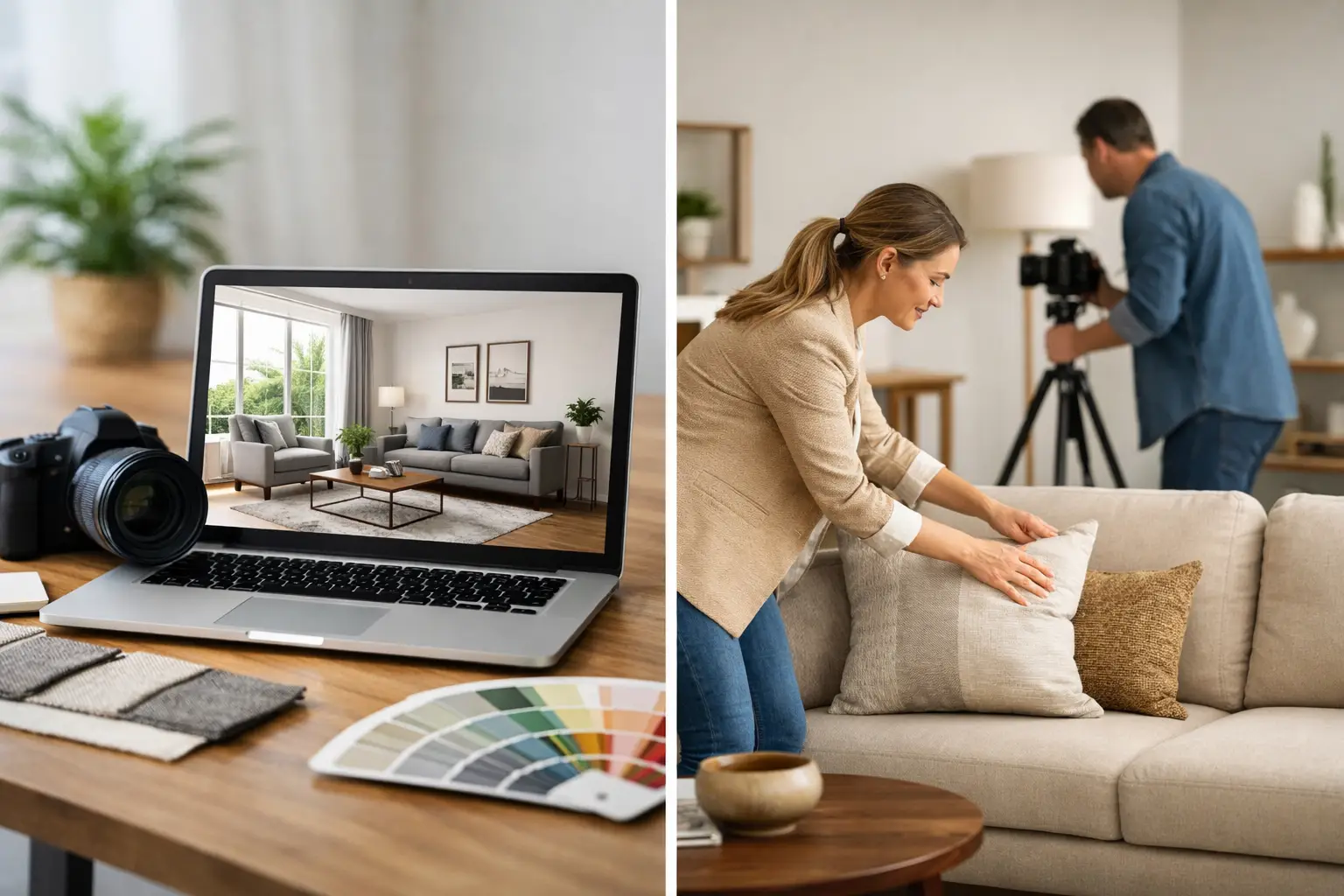
Staging also deserves more attention than it usually gets. A digital showroom should not simply record a space as it happens to look that day. It should present the space in a way that supports the buying decision. For hospitality, that may mean setting a room for an event scenario. For retail, it may mean organizing products by collection or buyer intent. For real estate, it may mean virtual staging that helps users understand function rather than empty square footage.
Design the experience around decision-making
The best digital showrooms are easy to move through and easy to understand. That sounds basic, but many virtual environments are built around novelty instead of usability. Users should never need to guess where to click, what they are seeing, or how to take the next step.
Navigation should feel intuitive. Keep movement logical and avoid overloading the interface with too many hotspots, pop-ups, or decorative effects. If every corner contains a trigger, the experience starts to feel like software instead of a space.
Information should also match the user journey. Early-stage visitors may only need a clear overview, visual confidence, and a reason to stay engaged. Serious buyers need more detail. Product specifications, room dimensions, material finishes, zoning labels, availability markers, and embedded media can all help, but only when placed with discipline.
A useful rule is to layer information rather than display everything at once. Let the space lead, then allow details to appear when users show intent. This keeps the showroom visually clean while still supporting deeper evaluation.
Build for sales, not just for views
A digital showroom should connect directly to commercial outcomes. That means every experience needs a clear conversion logic. What should happen after someone explores the space? Book a viewing, request a quotation, speak to sales, compare unit types, reserve a date, or download technical documents?
If that action is unclear, engagement may look healthy while actual business impact stays weak.
This is where integration matters. The showroom should sit within a wider sales and marketing system, not operate as a standalone piece of content. Lead capture, CRM workflows, campaign landing pages, and analytics all affect performance. Without those links, it becomes difficult to measure whether the showroom is improving conversion or simply increasing time on page.
For high-value sectors, remote selling is another important factor. International investors, regional tenants, event planners, and procurement teams often need to evaluate spaces before they are ready for an in-person visit. A well-built showroom reduces that friction. It gives sales teams a tool that supports real conversations instead of sending prospects a folder of static visuals.
Measure what matters after launch
One of the biggest mistakes in digital showroom projects is treating launch as the finish line. It is the beginning of performance measurement.
Views alone are not enough. A showroom can attract traffic and still fail commercially. What matters more is how users behave. Are they completing tours? Which spaces hold attention? Where do they drop off? Which hotspots get used? Do users from paid campaigns convert at a higher rate after visiting the showroom?
These signals help refine both the experience and the surrounding sales process. Sometimes the issue is not the showroom itself but the page it sits on, the audience targeting, or the lack of a strong call to action. In other cases, behavior reveals that users care more about certain rooms, layouts, or features than expected. That insight can shape future content, sales messaging, and even physical staging.
For businesses managing multiple properties, venues, or sites, standardizing this measurement approach creates long-term value. The showroom becomes more than a campaign asset. It becomes part of a repeatable digital infrastructure for presentation and decision support.
How to create digital showroom that can scale
A showroom built for one launch can still be useful. A showroom built as a scalable asset is far more valuable.
That means planning for updates, reusability, and cross-channel deployment from the start. Can new units be added later? Can branding or seasonal campaigns be updated without rebuilding everything? Can the same spatial capture support marketing, leasing, operations, and internal review? Can content be adapted for regional teams or multilingual audiences across Southeast Asia?
Scalability also depends on choosing the right production partner. Technical execution matters, but so does commercial understanding. The strongest delivery teams do not just produce immersive visuals. They help structure the experience around measurable outcomes, future use cases, and integration with the way your business already sells and communicates.
That is where a company like Novo Reperio brings a stronger advantage than a standard media vendor. When digital twins, LiDAR capture, visual storytelling, and implementation strategy are aligned, the showroom stops being a one-off showcase and starts functioning as a business tool.
If you are deciding how to create digital showroom experiences for your brand, start with the question your buyers are already asking: can I understand this space well enough to move forward? Build around that, and the technology begins to justify itself.