
A prospective buyer can scroll past twenty property photos in seconds. A well-built 360 virtual tour Malaysia experience asks them to stay, look around, understand the layout, and picture how the space could work for them. For developers, hotel operators, leasing teams, and facility managers, that difference has commercial value: more qualified inquiries, better remote conversations, and fewer site visits that lead nowhere.
The opportunity is not simply to place panoramic images online. A virtual tour should turn a physical location into a credible digital asset – one that presents the right details, guides viewers through the space, and supports a specific business outcome.
Why 360 Virtual Tours Matter in Malaysia
Malaysia’s property, hospitality, retail, and industrial markets all share a practical challenge: stakeholders often need to evaluate a space before they can visit it. A corporate tenant may be based in Singapore. An overseas buyer may be comparing several developments. A hotel guest may want confidence in a room category, meeting space, or resort setting before booking. An operations team may need to review a facility without disrupting production.
Static photography remains essential, but it does not communicate circulation, scale, sightlines, or the relationship between rooms in the same way. Video can create atmosphere, yet it follows a fixed path chosen by the producer. A 360 tour gives the viewer a degree of control. They can pause at the lobby, examine a showroom layout, revisit a balcony view, or move directly to the features most relevant to their decision.
That control can improve engagement, but engagement alone should not be the goal. The stronger measure is whether the experience helps a visitor take the next useful action: submit an inquiry, schedule a visit, share the space internally, make a booking, or request a proposal.
A 360 Virtual Tour Malaysia Project Is More Than Panorama Images
The quality gap between a basic panorama set and an effective immersive experience is significant. A commercially useful tour starts with a clear viewing journey. The entry point, navigation, information layers, brand presentation, and capture quality must all reflect how the space will be evaluated.
For a residential development, viewers may need to understand unit flow, finishes, views, amenities, and nearby access points. For commercial leasing, the priority may be floorplate potential, arrival experience, ceiling height, neighboring facilities, and suitability for a particular business. For a factory or warehouse, a tour may need to support internal orientation, maintenance planning, or asset discussions rather than public marketing.
This is where the distinction between a visual tour and a digital twin becomes important. A visual tour is primarily designed to present a space. A digital twin can go further by creating a navigable spatial environment that supports measurement, annotations, documentation, and integration with operational information. Not every project needs this level of functionality. However, for complex buildings, recurring asset-management use cases, or AEC workflows, planning for that possibility at the start can prevent an expensive recapture later.
Capture quality affects trust
Immersive media makes visual weaknesses more visible. Poor lighting, inconsistent stitching, blurred windows, inaccurate colors, and rushed navigation can make a premium property feel less credible. The same applies to an industrial facility, where incomplete coverage or unclear spatial context can limit the tour’s usefulness for technical stakeholders.
Professional capture requires more than camera placement. It involves preparing the site, managing lighting conditions, setting a logical movement path, and deciding which views should be open, restricted, or supplemented with information. In spaces with reflective surfaces, large glazing areas, low light, or active operations, technical planning has a direct effect on the finished result.
Interactivity should earn its place
Hotspots, embedded videos, floor plans, menus, brochures, and call-to-action prompts can make a tour more useful. They can also make it harder to use when added without purpose. The best interactive elements answer questions that the visitor is likely to have at a particular point in the journey.
A hospitality tour might place booking prompts near room types and event-capacity information inside a ballroom. A retail showroom may use hotspots to explain product zones or campaign displays. A commercial development can connect key viewpoints to unit details, specifications, or inquiry forms. The principle is simple: add information where it advances a decision, not where it merely adds movement on screen.
Choosing the Right Use Case and Technology
The right solution depends on the commercial problem, the complexity of the site, and the expected lifespan of the content. A sales gallery preparing for a launch may prioritize a polished, branded walkthrough with fast delivery. A heritage venue may need careful storytelling and broad public accessibility. A facilities team may require more accurate spatial capture and a longer-term reference point for maintenance or renovation planning.
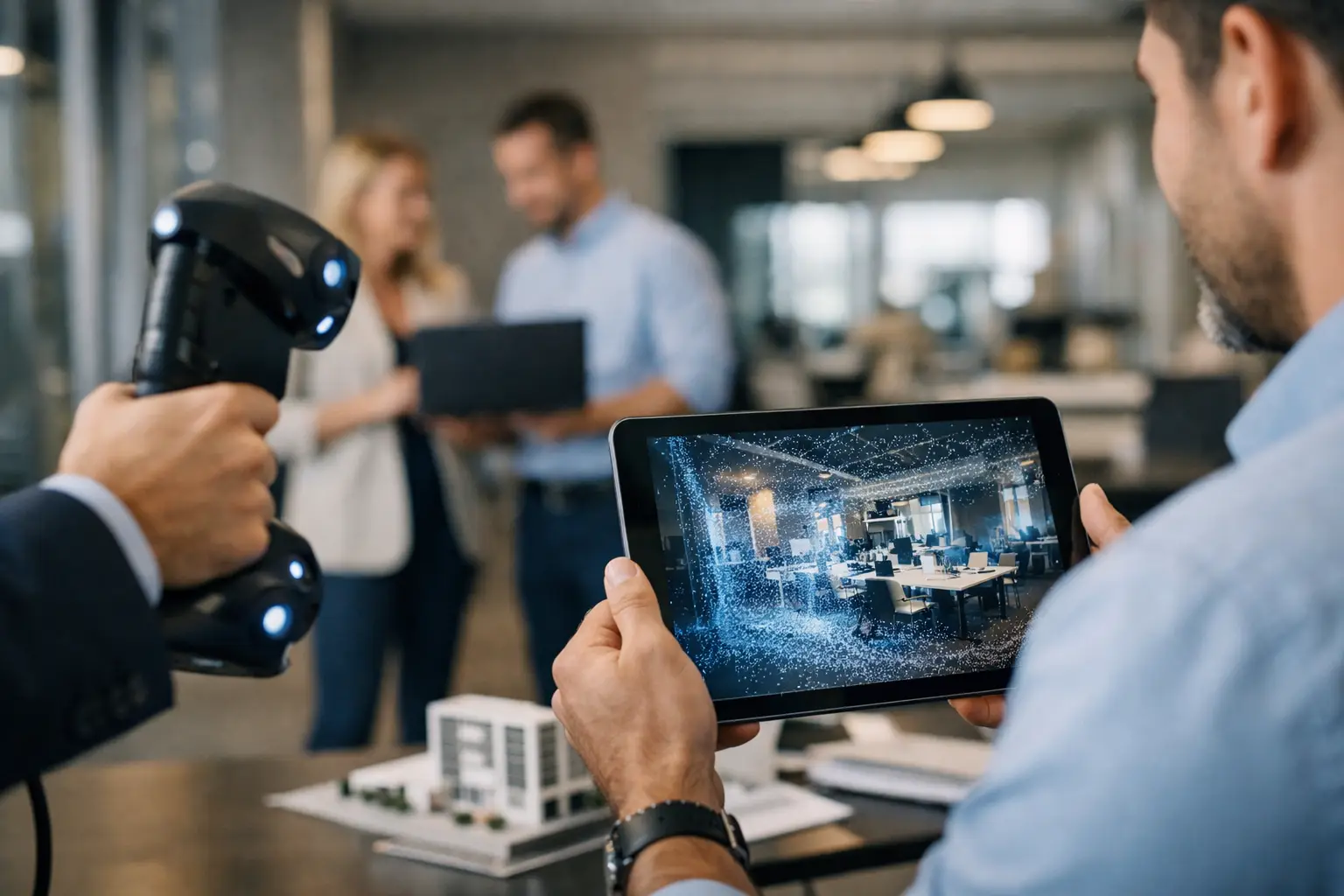
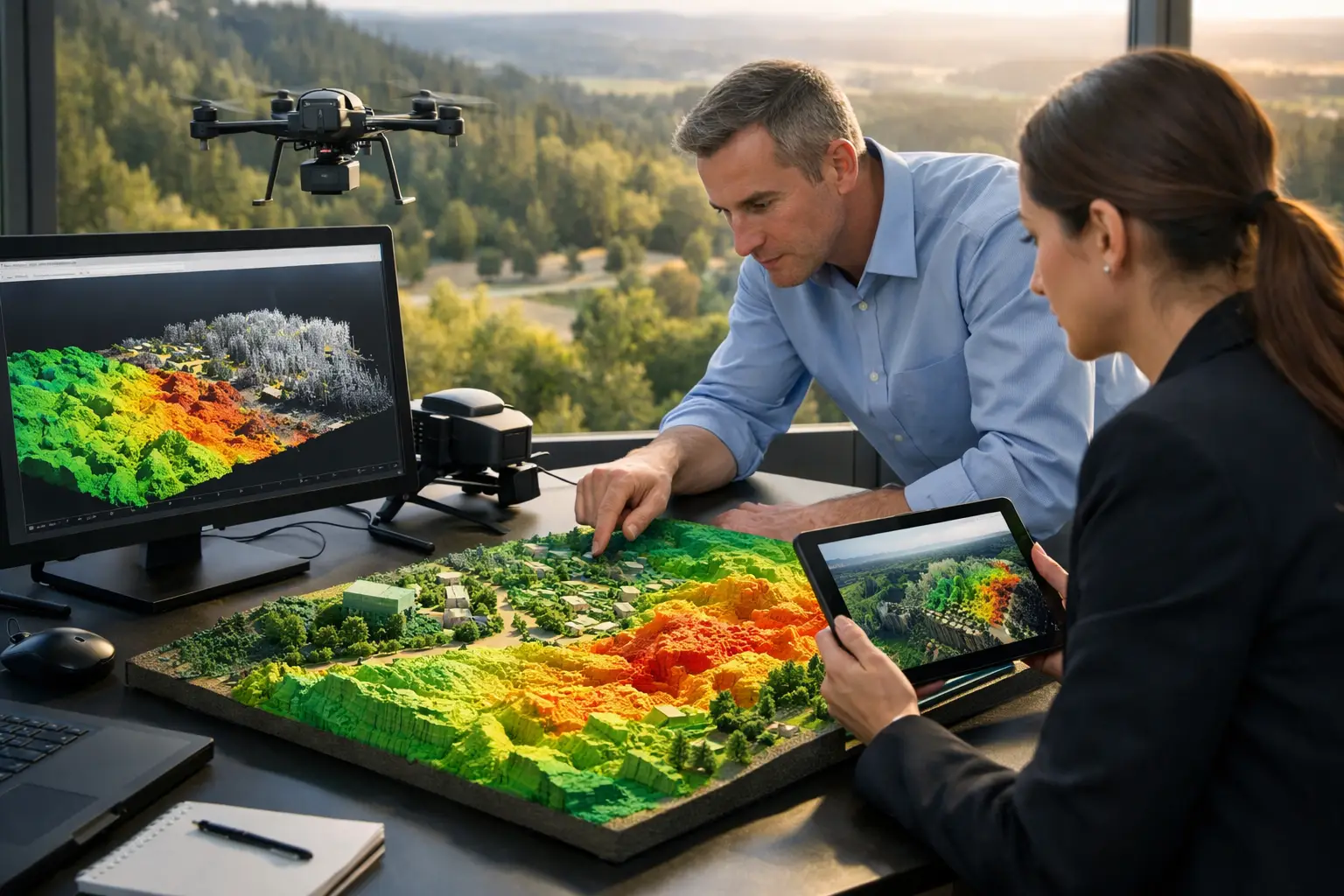
For high-value property marketing, Matterport digital twins can provide an immersive walkthrough with spatial context and optional measurement capability. For construction, renovation, and as-built requirements, LiDAR scanning and Scan-to-BIM workflows may be more appropriate because they support a higher level of dimensional and documentation value. Drone imagery can strengthen the overall presentation when location, site scale, access roads, or surrounding views influence the decision.
There are trade-offs. Higher-detail capture and deeper data integration generally require more planning, site coordination, and budget. A simple 360 tour can be the right choice for a short campaign or a compact venue. Conversely, selecting the least expensive capture option for a large commercial asset may create a polished marketing piece that cannot support future operational needs. The best approach is to define what decisions the asset should support over the next 12 to 24 months.
Where Immersive Tours Create Measurable Value
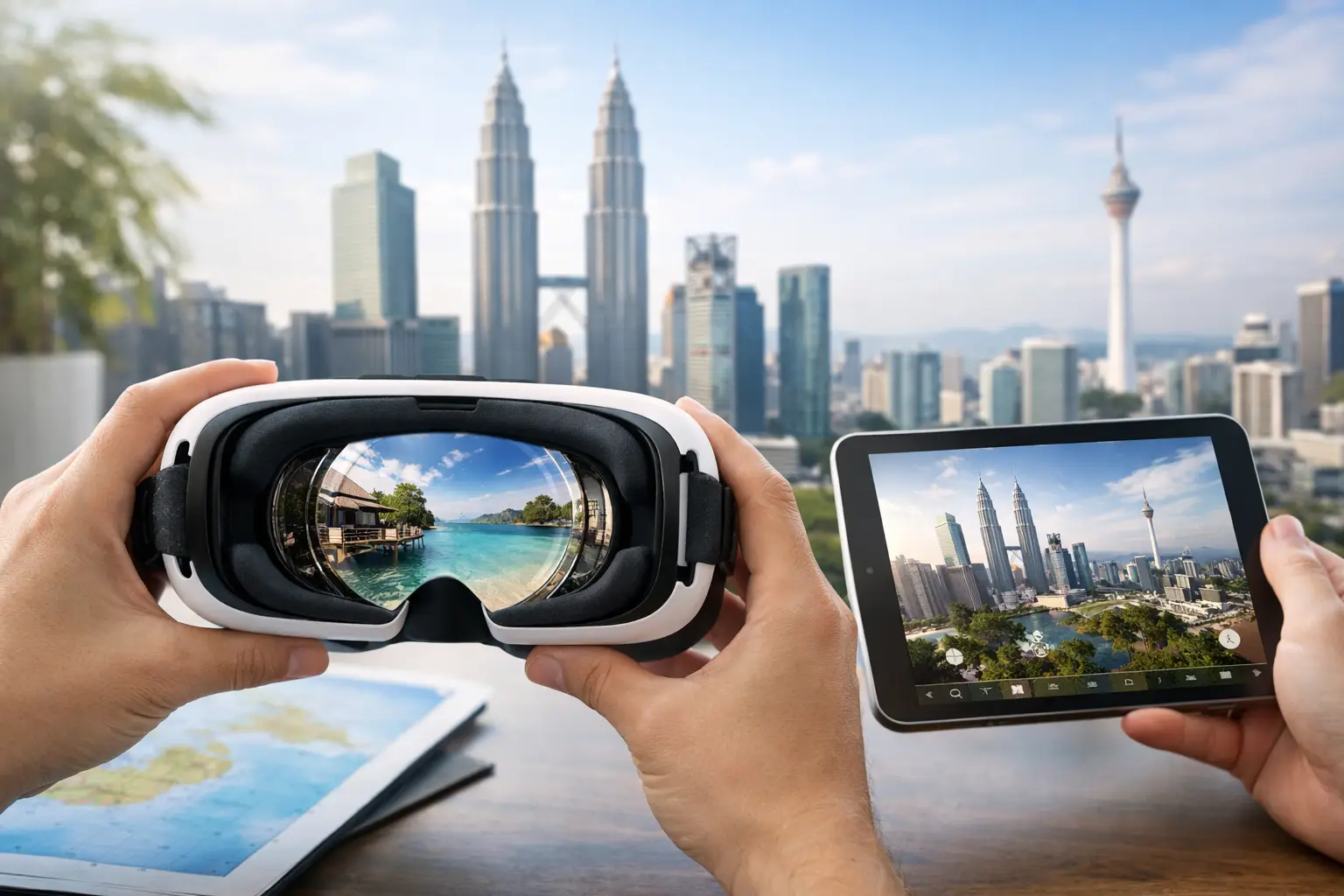
For real estate, virtual tours can help teams qualify prospects before a physical viewing. Rather than spending time explaining basic layout questions on the phone, sales staff can focus on financing, availability, customization, and fit. This is especially valuable when marketing to regional and international audiences who cannot visit Kuala Lumpur, Penang, Johor, or other locations immediately.
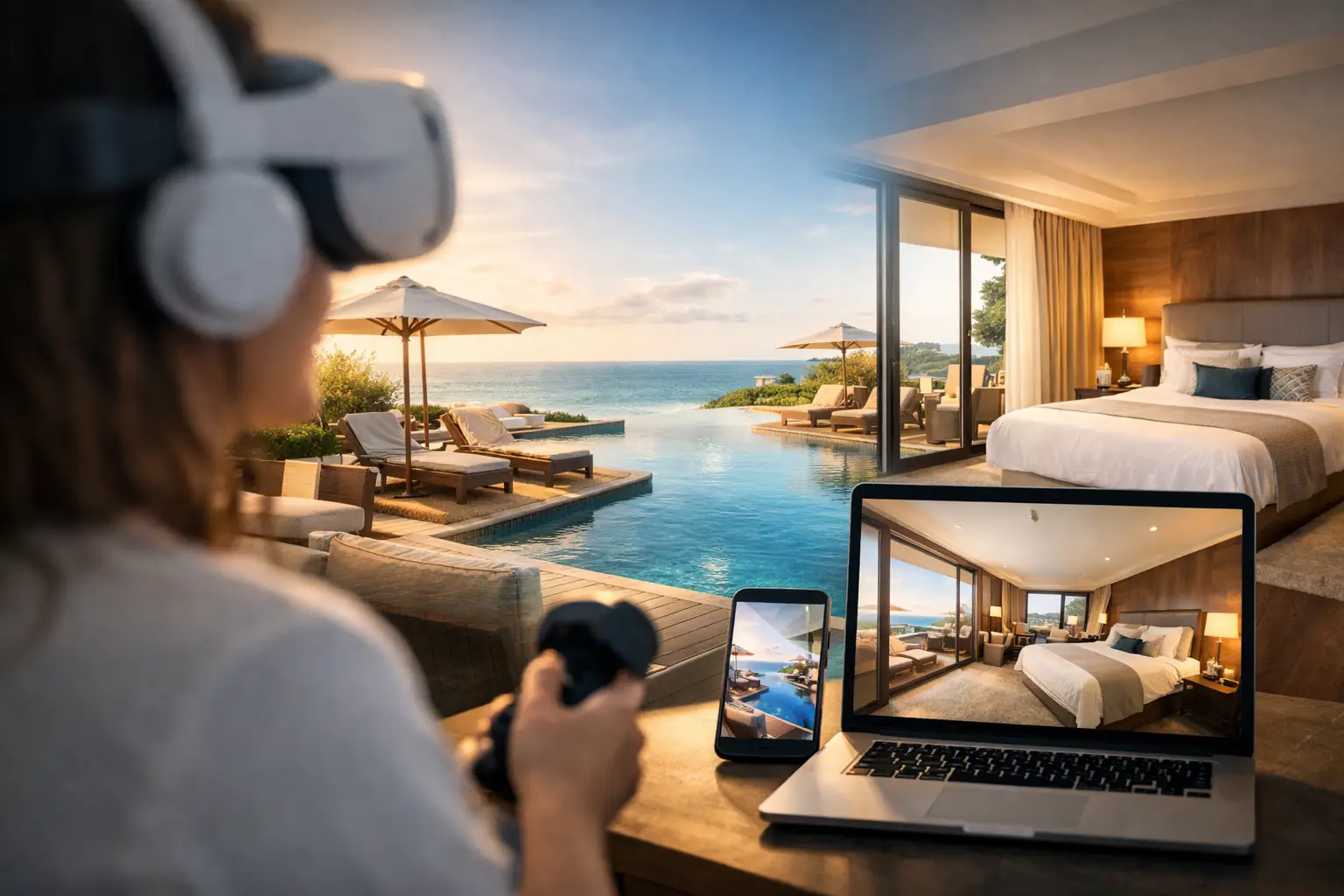
In hospitality, the value often lies in expectation setting. Guests can inspect room categories, restaurants, recreational facilities, and meeting venues before committing. For event sales teams, an immersive venue tour gives planners a practical tool for stakeholder approvals, site familiarization, and early layout conversations.
For retail, galleries, museums, and exhibitions, tours extend access beyond opening hours and geographic boundaries. They can support campaign launches, virtual previews, brand storytelling, and visitor planning. The experience should still encourage an in-person visit where that remains the primary commercial objective.
Industrial and facility-management applications require a different lens. Here, the benefit may be remote coordination rather than public reach. A spatially accurate environment can help teams orient contractors, plan maintenance activities, document conditions, and communicate with decision-makers who are not on site. In these cases, accuracy, access control, and update strategy matter as much as visual presentation.
Planning a Tour That Performs After Launch
Before capture begins, define the audience, decision point, and desired action. A tour built for overseas apartment buyers should not be structured like one built for a safety induction or warehouse maintenance review. The same physical space may even require different versions for public marketing and internal operations.
Prepare the site with the viewer’s experience in mind. Remove temporary clutter where possible, confirm which areas are suitable to show, and coordinate access to key spaces. For active sites, agree on a capture window that minimizes interruptions while preserving a realistic representation of the environment.
Distribution should be planned early, not treated as an afterthought. Consider where the experience will appear: a property landing page, campaign materials, sales presentations, QR codes on-site, social media previews, or client follow-up messages. A strong tour can underperform if it is hidden behind too many clicks or disconnected from a clear inquiry path.
Finally, establish what success looks like. Track tour visits, time spent, completed inquiry actions, viewing requests, booking conversions, or reductions in unnecessary site visits. The right metrics vary by sector, but they should connect the visual experience to a business outcome.
Novo Reperio approaches immersive visualization as part of a larger spatial strategy, combining 360 capture with digital twin, LiDAR, aerial imaging, and data-driven documentation where the use case calls for it. The goal is not to create a novelty viewers forget. It is to give your team a clearer, more persuasive way to present and manage the places that drive your business.
A physical space should not become harder to evaluate simply because the right decision-maker is elsewhere. When a 360 tour is planned around real questions, accurate capture, and a clear next step, it becomes a working asset that keeps conversations moving long after the camera leaves.