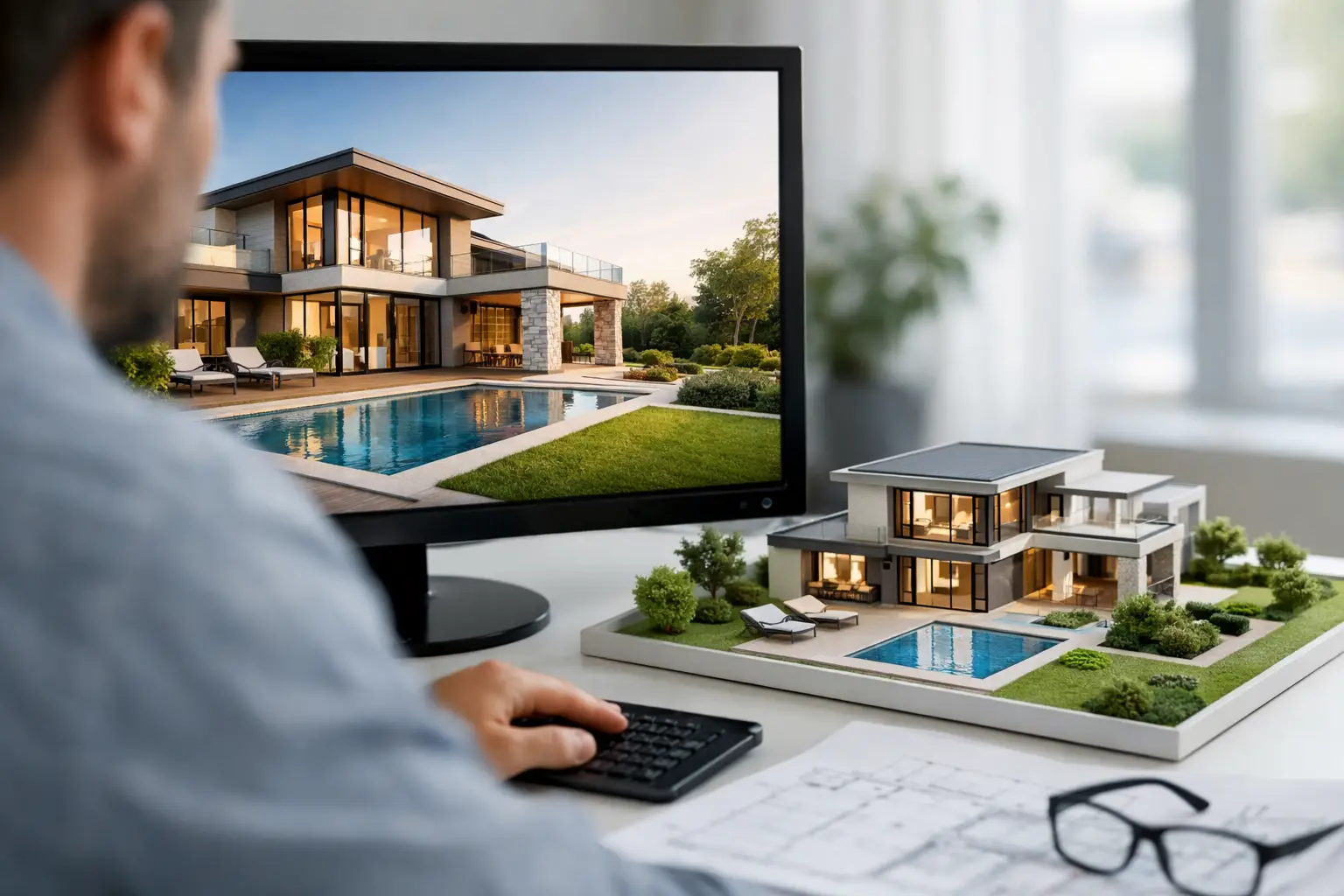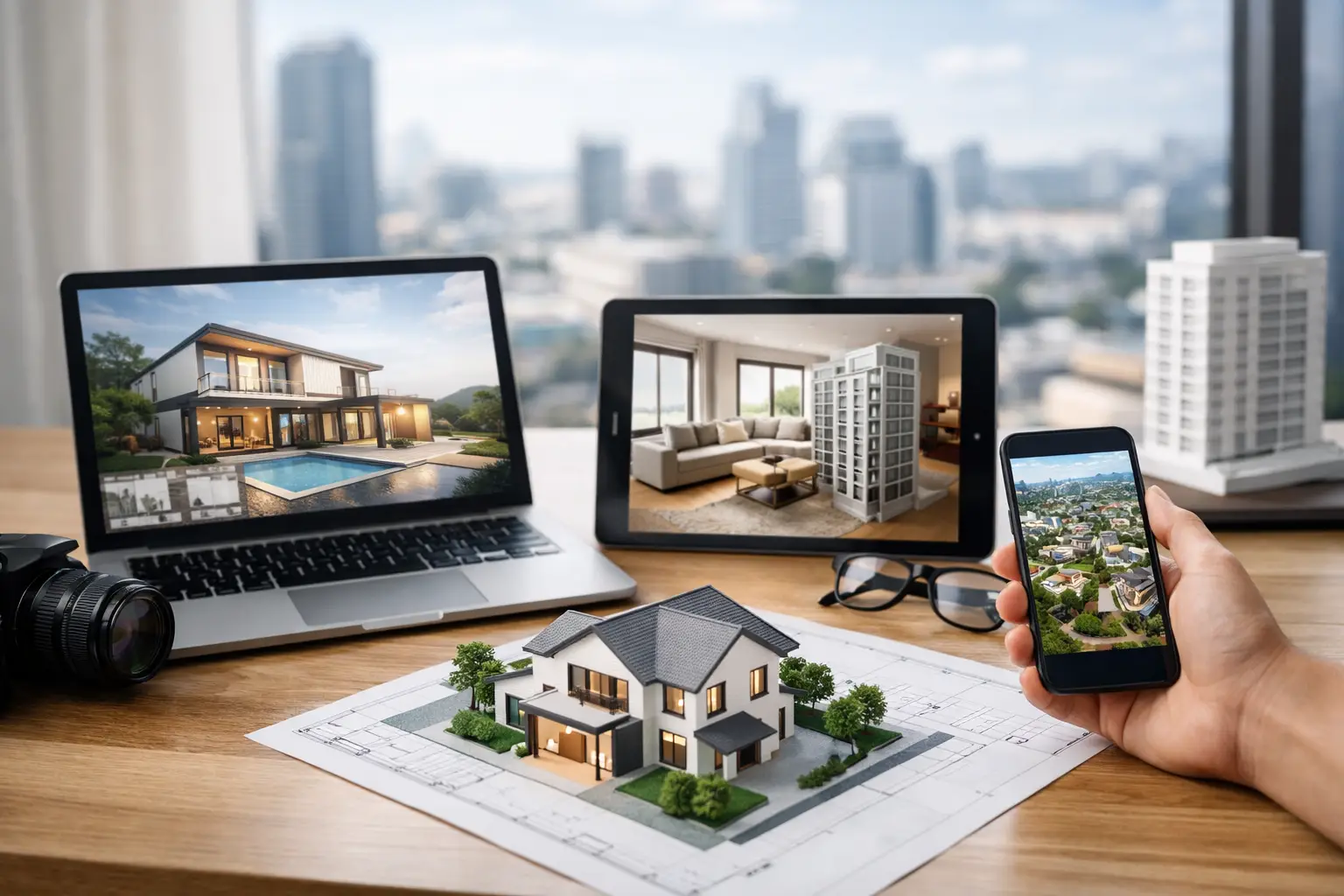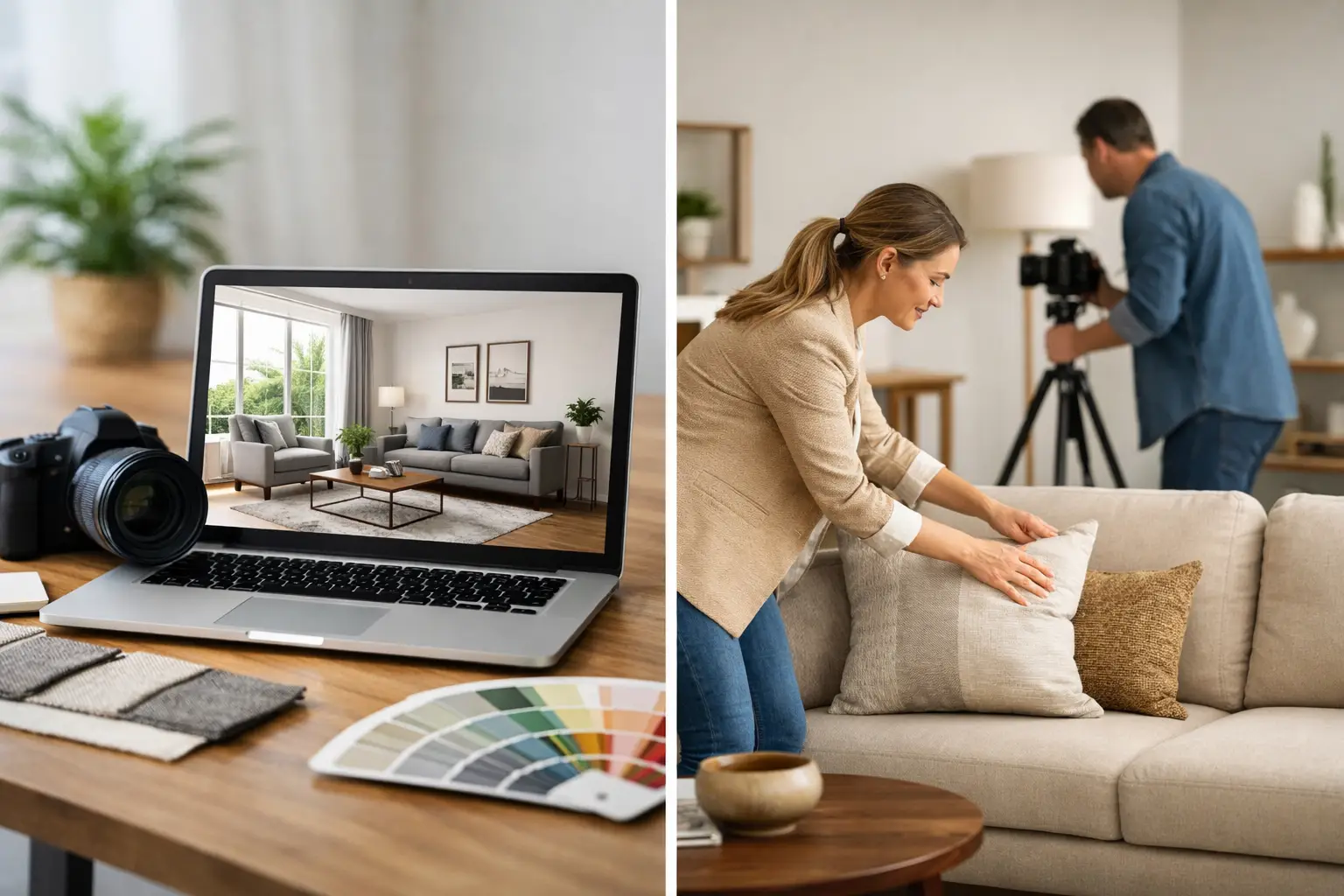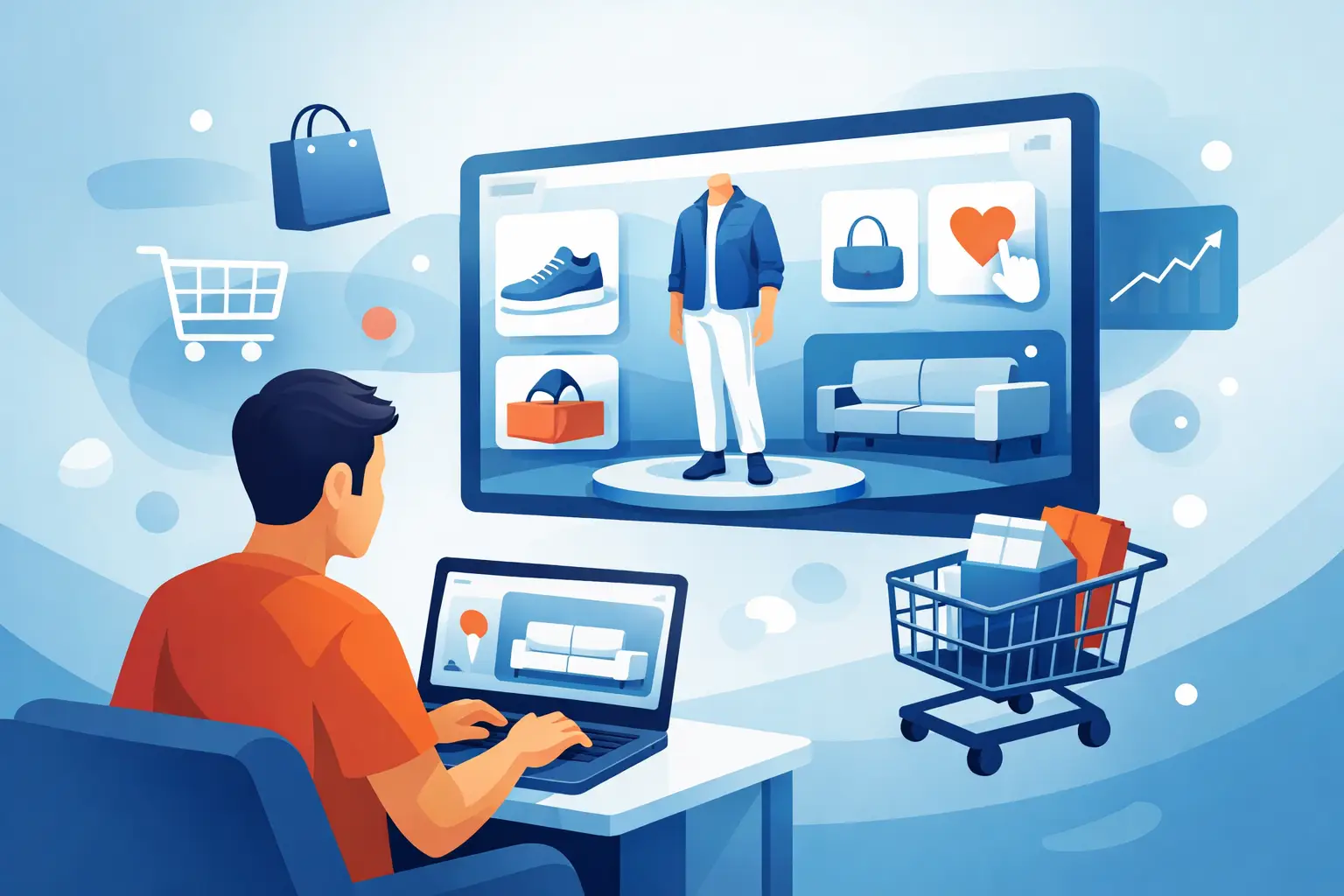

A product launch underperforms online more often for one simple reason – customers cannot experience the space around the product. They see isolated images, a few short videos, and maybe a product grid. A virtual showroom for retail brands changes that by turning merchandising, layout, and product storytelling into an interactive environment buyers can actually move through.
For retail decision-makers, that shift matters because digital commerce is no longer only about listing products. It is about presenting a brand world clearly enough that customers understand quality, context, and choice without stepping into a store. When done well, a virtual showroom supports marketing, sales, and internal alignment at the same time.
What a virtual showroom for retail brands really does
A virtual showroom is not just a prettier website. It is a navigable digital space that recreates or reimagines a retail environment so customers, distributors, or internal teams can explore products in context. That context is where the commercial value sits.
A handbag shown on a plain white background communicates finish and color. The same handbag placed in a curated digital boutique, beside related accessories and styled collections, communicates positioning, price confidence, and brand identity. The environment helps sell the product.
For multi-category retailers, the benefit goes further. A virtual showroom can organize large inventories into structured experiences that feel curated rather than crowded. Instead of asking users to scroll endlessly, it guides them through collections, featured zones, seasonal campaigns, or premium lines with more control over what they see first.
Why retail brands are moving beyond static product pages
Static pages still play a role, especially for search and quick transactions. But they are weak at conveying scale, layout, and product relationships. Retailers feel that weakness most when selling higher-consideration products such as furniture, fashion collections, electronics, beauty lines, or luxury goods.
Customers in those categories often need more than specifications. They want to understand how items fit together, how a range is merchandised, and what the brand experience feels like. A virtual showroom helps close that gap.
It also addresses a practical business issue. Physical showrooms are expensive to refresh, limited by geography, and impossible to visit on demand. A digital environment extends access to buyers, partners, and end customers without requiring travel or a live sales appointment. That is especially useful for regional retail operations managing stakeholders across multiple markets.
The business case for a virtual showroom for retail brands
The strongest case for a virtual showroom is not novelty. It is performance.
First, it can improve engagement time because visitors have a reason to explore rather than bounce after viewing a single image. Second, it can support stronger conversion by reducing uncertainty. When buyers can examine products in a realistic setting, they make decisions with more confidence. Third, it gives sales and marketing teams a shared asset instead of disconnected campaign materials, PDFs, store photos, and landing pages.
There is also value beyond customer acquisition. Retail brands use virtual environments for wholesale presentations, franchise discussions, internal approvals, staff onboarding, and pre-launch reviews. In those cases, the showroom becomes part sales tool, part operational tool.
That broader use is often overlooked. A well-built digital showroom is not only for public traffic. It can support remote decision-making across merchandising, marketing, and executive teams.
What separates a useful showroom from a gimmick
Not every immersive experience performs well. Some are visually impressive but commercially weak because they prioritize visual effects over usability.
A useful virtual showroom starts with a clear business objective. Is the goal direct product discovery, campaign storytelling, wholesale selling, or premium brand positioning? The answer affects how the space should be captured, modeled, and structured.
Navigation matters just as much as visuals. If users cannot move intuitively, locate featured products, or understand where to click next, the experience becomes friction rather than value. Retail environments should feel guided, not confusing.
Product interaction is another dividing line. A showroom should do more than display a room. It should let users engage with product hotspots, view details, compare ranges, and move naturally between categories. In some cases, a photoreal digital twin of a physical store is the right answer. In others, a CGI-led environment offers more control over layout, styling, and seasonal changes. It depends on whether realism, flexibility, or speed is the priority.
Building the right showroom starts with spatial accuracy
Retail brands often focus first on front-end design, but the foundation is spatial capture and structure. If the environment is based on a real store, pop-up, gallery-style retail space, or experience center, accurate measurement and scanning create a more credible digital asset.
This is where digital twin workflows and LiDAR-based capture become commercially useful, not just technically impressive. They allow physical retail spaces to be translated into interactive environments with reliable dimensions, cleaner navigation, and stronger visual consistency. That is important when the showroom is tied to merchandising decisions, fixture planning, or stakeholder approvals.
For brands launching new concepts or flagship experiences, accurate capture also reduces rework. Teams can review layouts remotely, test presentation ideas, and share a common visual reference without relying on fragmented photography or manual drawings.
When a virtual showroom works best
A virtual showroom for retail brands tends to deliver the strongest return in a few specific scenarios. One is when the product requires context to sell. Furniture, décor, fashion, jewelry, automotive accessories, and premium consumer goods all benefit from being shown within a controlled environment.
Another is when the physical audience is distributed. If customers, dealers, or decision-makers are spread across cities or countries, the showroom creates a single source of access. That can be particularly useful in Southeast Asia, where regional teams and cross-border buyers often need to review products without waiting for event schedules or travel windows.
It is also highly effective for launches and limited campaigns. A digital showroom can be updated faster than a physical environment, allowing brands to present seasonal collections, test concepts, or support press and partner previews with less logistical overhead.
Trade-offs retail brands should consider
A virtual showroom is not a replacement for every retail function. For low-cost, high-volume products where speed matters more than brand immersion, a traditional e-commerce layout may still convert better. Some shoppers want the fastest route to checkout, not an exploratory experience.
There is also a content governance issue. If the showroom is not maintained, it dates quickly. Promotions expire, assortments change, and visual merchandising becomes inconsistent with current campaigns. The asset needs an update plan, not just a launch plan.
Budget is another factor. The right level of production depends on the commercial value of the product and the complexity of the retail environment. A flagship brand experience may justify high-fidelity spatial capture, 3D rendering, and integrated interaction layers. A smaller campaign showroom may need a simpler approach. More technology is not automatically better if the business case does not support it.
How to approach implementation without wasting budget
The smartest rollout usually starts with one use case, not ten. A flagship store, a premium product collection, or a B2B wholesale presentation is often the best place to begin because performance can be measured more clearly.
From there, the build should be aligned to commercial outcomes. That means defining what success looks like before production starts. More qualified leads, longer engagement time, better distributor presentations, stronger launch support, or faster internal approvals are all valid targets. But they should be chosen early.
Technology decisions should follow that strategy. Some projects are best served by 360 virtual tours. Others need a richer digital twin environment, CGI walkthrough, or integrated product storytelling layer. The point is not to force every retail brand into the same format. It is to build an environment that matches the buying journey.
This is where an implementation partner matters more than a media vendor. The work is not only about producing visuals. It is about translating a physical retail space into a digital asset that supports engagement, sales, and decision-making over time. Companies such as Novo Reperio approach that process with the technical depth to capture space accurately and the commercial focus to make the experience useful.
The next standard for digital retail presentation
Retail brands are under pressure from every direction – customer acquisition costs, crowded product categories, and rising expectations around online experience. The brands that stand out are not always the ones with the largest media spend. They are often the ones that present products with more clarity, more confidence, and less friction.
A virtual showroom does exactly that when it is planned with purpose. It gives products context, gives buyers confidence, and gives teams a stronger digital asset to sell with. If your products depend on presentation, the question is no longer whether immersive retail has value. It is whether your current digital experience is doing enough work.