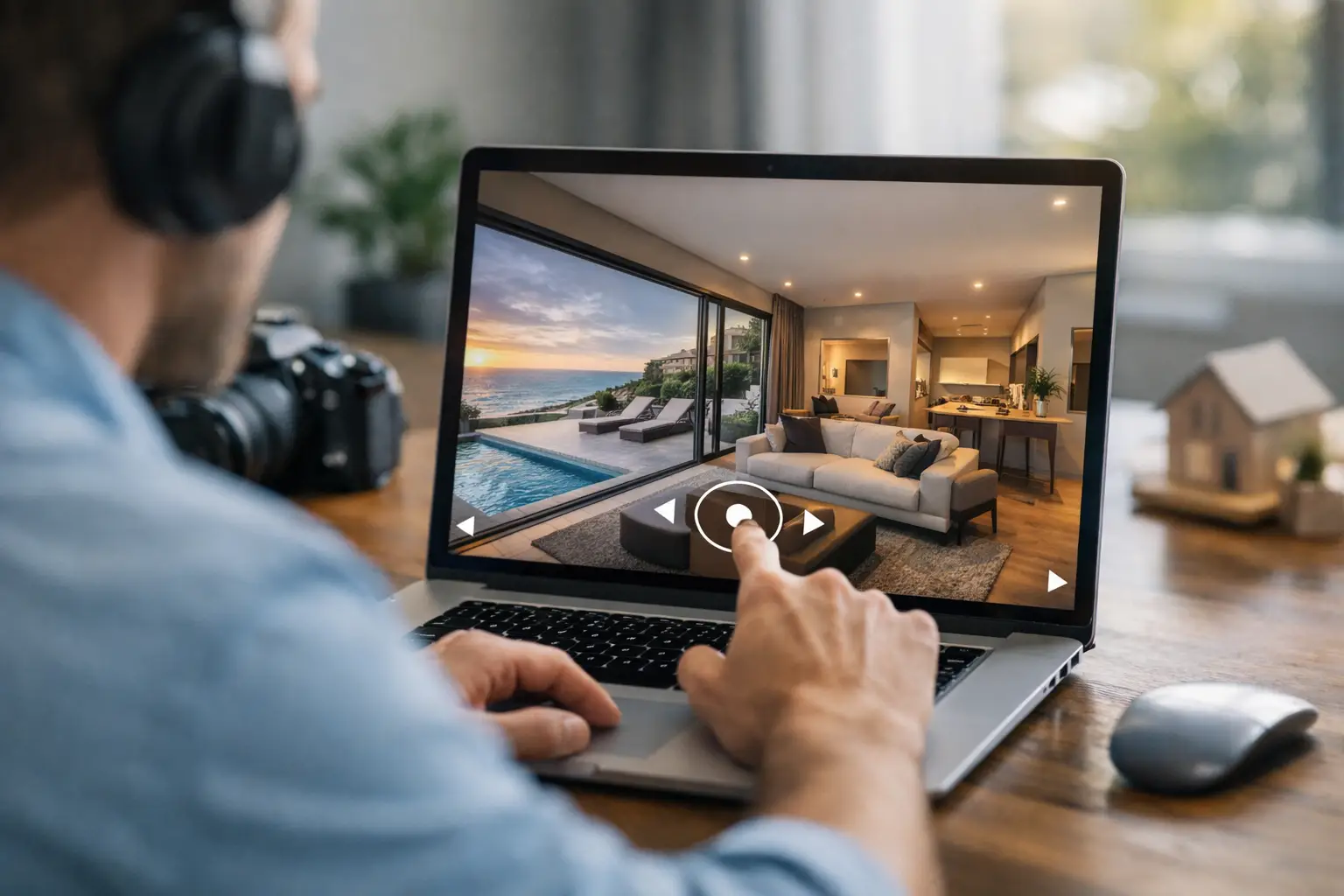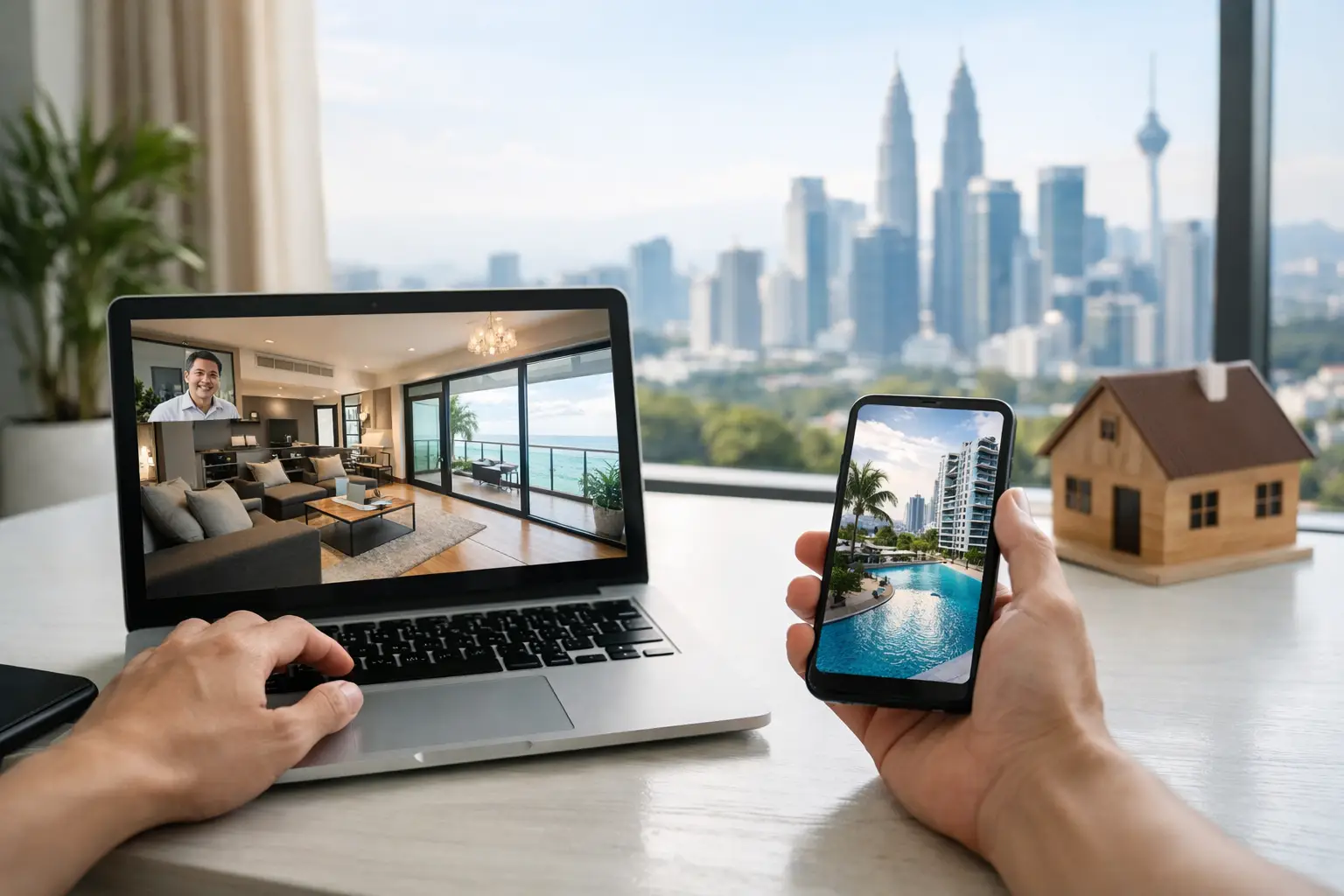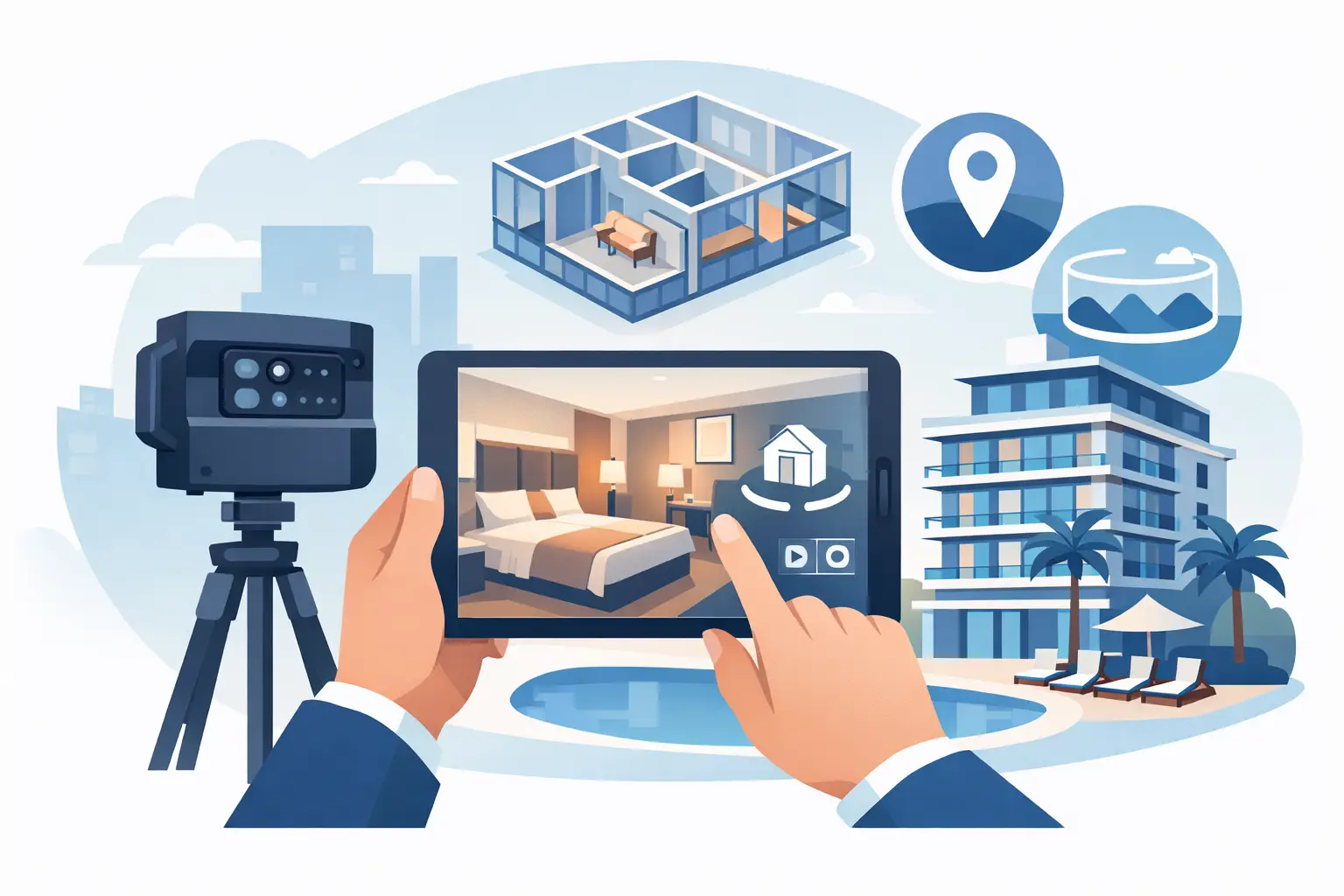

A hotel guest is comparing three properties on a phone during a lunch break. Two listings show polished photos. One lets them walk from the lobby to the suite, check the pool deck, and understand the event space layout in under two minutes. That difference is where how to use Matterport hotels becomes a commercial question, not a technical one.
For hotel operators, sales teams, and marketing leaders, Matterport is not just a virtual tour. Used well, it becomes a digital asset that helps guests commit faster, reduces uncertainty for group bookings, and gives internal teams a more accurate way to present the property remotely. Used poorly, it becomes another nice-looking media item with limited influence on revenue. The gap comes down to strategy.
How to use Matterport for hotels with clear business goals
The first step is deciding what the digital twin needs to achieve. Hotels often start with a broad idea such as improving online engagement, but that is too vague to guide production. A city hotel targeting direct leisure bookings will use Matterport differently from a resort selling weddings, MICE packages, or extended stays.
If your priority is increasing direct bookings, the tour should reduce hesitation. That usually means showing room categories clearly, connecting public areas logically, and helping guests understand what they are actually paying for. If your priority is events or corporate sales, the focus shifts toward ballroom capacity, pre-function flow, breakout rooms, parking access, and circulation between venues.
This matters because the capture plan affects commercial performance. A digital twin built for guest inspiration is not always the same as one built for operational decision-making or sales presentations. Defining the outcome first keeps the project aligned with conversion, not just visuals.
Start with the spaces that influence decisions
Not every corner of a hotel needs to be scanned. The strongest hotel Matterport projects are selective and intentional. They prioritize the spaces that shape booking confidence.
For most properties, that starts with the arrival sequence. The driveway or entrance, lobby, reception, and key public areas create the first impression. After that, room categories matter more than quantity. You do not need to scan every room if the layouts are materially similar, but you do need enough coverage to represent meaningful differences between standard rooms, premium rooms, suites, and family configurations.
Food and beverage outlets can also add value, especially when they support destination appeal or event sales. The same goes for spa facilities, gyms, kids’ areas, pools, and beach access in resort settings. For meeting and event-driven hotels, function spaces should be a major priority, including ballroom interiors, breakout rooms, pre-function spaces, and circulation routes.
The trade-off is production time and file complexity. Scanning everything can create a heavier experience that adds little commercial value. In many cases, a tighter digital twin with stronger storytelling performs better than a larger one with weak relevance.
Build the tour around the guest journey
One of the most effective answers to how to use Matterport hotels is simple: organize the experience the way a guest thinks.
Guests do not evaluate a hotel as a floor plan. They evaluate it as a sequence. Can I picture my arrival? Does the room feel worth the rate? How far is the pool from the room block? Will my event guests move comfortably between spaces? Can my family navigate the property easily?
That means the tour should feel intuitive. The route between spaces should make sense. Transitions should reflect real movement through the property. If a ballroom is a key sales asset, the tour should not bury it behind unrelated staff corridors or low-priority areas. If the hotel is selling premium ocean-view rooms, that view needs to be easy to find and easy to understand.
A well-structured Matterport tour reduces cognitive load. Guests and planners should not have to work hard to understand the property. The easier it is to visualize the stay or event, the easier it is to move toward inquiry or booking.
Use Matterport as a sales tool, not only a marketing asset
Hotels often position virtual tours within marketing, but some of the strongest returns come from sales and operations. A digital twin gives sales teams a consistent way to present inventory remotely, especially when dealing with overseas buyers, travel partners, corporate clients, and event planners.
For group business, that consistency matters. A salesperson can walk a client through room blocks, venue layouts, pre-function areas, and F&B settings without relying on static PDFs or dated photo decks. This shortens the time needed to explain the property and reduces the risk of mismatched expectations.
For management teams, the same asset can support internal alignment. Operations, events, engineering, and front office teams can reference the same spatial view when discussing setups, maintenance planning, or guest flow. Matterport is not a substitute for on-site inspections, but it can reduce unnecessary site visits and improve remote coordination.
That is especially useful for regional hotel groups and ownership teams managing assets across multiple locations in Southeast Asia, where decision-makers are not always on site.
How to use Matterport hotels for direct booking performance
If the tour lives in isolation, it will underperform. To improve direct booking impact, Matterport needs to sit inside a wider conversion path.
The placement matters. If a user has to search for the tour, the property is already losing momentum. It should support room pages, wedding pages, event venue pages, and campaign landing pages where visual assurance helps move users forward. The messaging around it also matters. A generic label such as virtual tour is less effective than context that tells the visitor what they will gain, such as preview room layouts or explore meeting spaces before inquiry.
Hotels should also think carefully about where the tour supports premium positioning. Luxury and upper-upscale properties often benefit from giving users more confidence before rate comparison begins. Budget and select-service hotels can still benefit, but the commercial case may depend more on group business, long-stay demand, or location-led differentiation.
It depends on the property type. A resort with extensive amenities usually gains more from immersive exploration than a compact business hotel with standardized inventory. That does not mean Matterport is unsuitable for smaller hotels, only that the use case should be sharper.
Capture quality is where many hotel tours fall short
The technology alone does not guarantee a strong result. Hotel environments are difficult to scan well because they combine reflective surfaces, mixed lighting, glazing, and active operations. Timing and staging are critical.
Rooms need to be dressed consistently. Public areas should be clean but not sterile. Lighting should reflect the property accurately without introducing harsh contrast. In some cases, scanning at different times of day produces better results for different areas, particularly for lobbies, restaurants, and exterior-facing spaces.
There is also a brand consideration. A hotel digital twin should feel aligned with the property’s positioning. If the guest experience is defined by warmth, privacy, and detail, the scan should not feel rushed or overly clinical. This is where an experienced implementation partner adds value – not just by operating the equipment, but by planning the capture workflow around both technical quality and commercial intent.
Add context where context helps
Matterport works best when users can understand what they are seeing and why it matters. That does not mean filling the tour with excessive labels. It means using context selectively.
For hotels, useful context may include room category identification, event capacity notes, key amenity highlights, or orientation cues for larger properties. In function spaces, it can help to indicate setup possibilities or adjacency to breakout rooms. In resort environments, it may be useful to show how villas, pools, beachfront zones, and dining areas relate to each other.
The key is restraint. Too much annotation can clutter the experience and distract from the property itself. The goal is to support decision-making, not overwhelm the user.
Measure outcomes, not just views
A hotel should not evaluate Matterport only by how many people opened the tour. The more useful question is whether it improved a business metric that matters. That could mean stronger time on page, higher inquiry quality, better direct booking conversion, faster event sales cycles, or fewer repetitive questions from prospects.
For some properties, the value shows up in sales efficiency rather than raw website metrics. If your events team can pre-qualify leads faster because planners already understand the venue layout, that is a meaningful return. If overseas corporate buyers can approve a preferred hotel without waiting for a physical inspection, that also has measurable value.
This is why the best Matterport projects are tied to a use case before production starts. Without that discipline, it is hard to know whether the asset is actually performing.
Choosing the right level of implementation
Not every hotel needs the same level of deployment. A single boutique property may only need a focused digital twin covering arrival, key room types, and signature spaces. A large resort may require a broader rollout that supports leisure marketing, wedding sales, and internal planning at the same time.
For multi-property groups, consistency becomes part of the value. Standardized capture quality and presentation make it easier for brand teams, sales leaders, and ownership groups to compare assets and deploy tours across campaigns. That consistency can be difficult to maintain without a specialist partner who understands both spatial capture and hospitality sales requirements.
When hotels ask how to use Matterport for hotels effectively, the real answer is to stop treating it as media and start treating it as infrastructure for visibility, trust, and faster decisions. The strongest results come when the digital twin is planned around how guests book, how sales teams sell, and how operators manage space. If the tour helps people say yes with more confidence, it is doing its job.