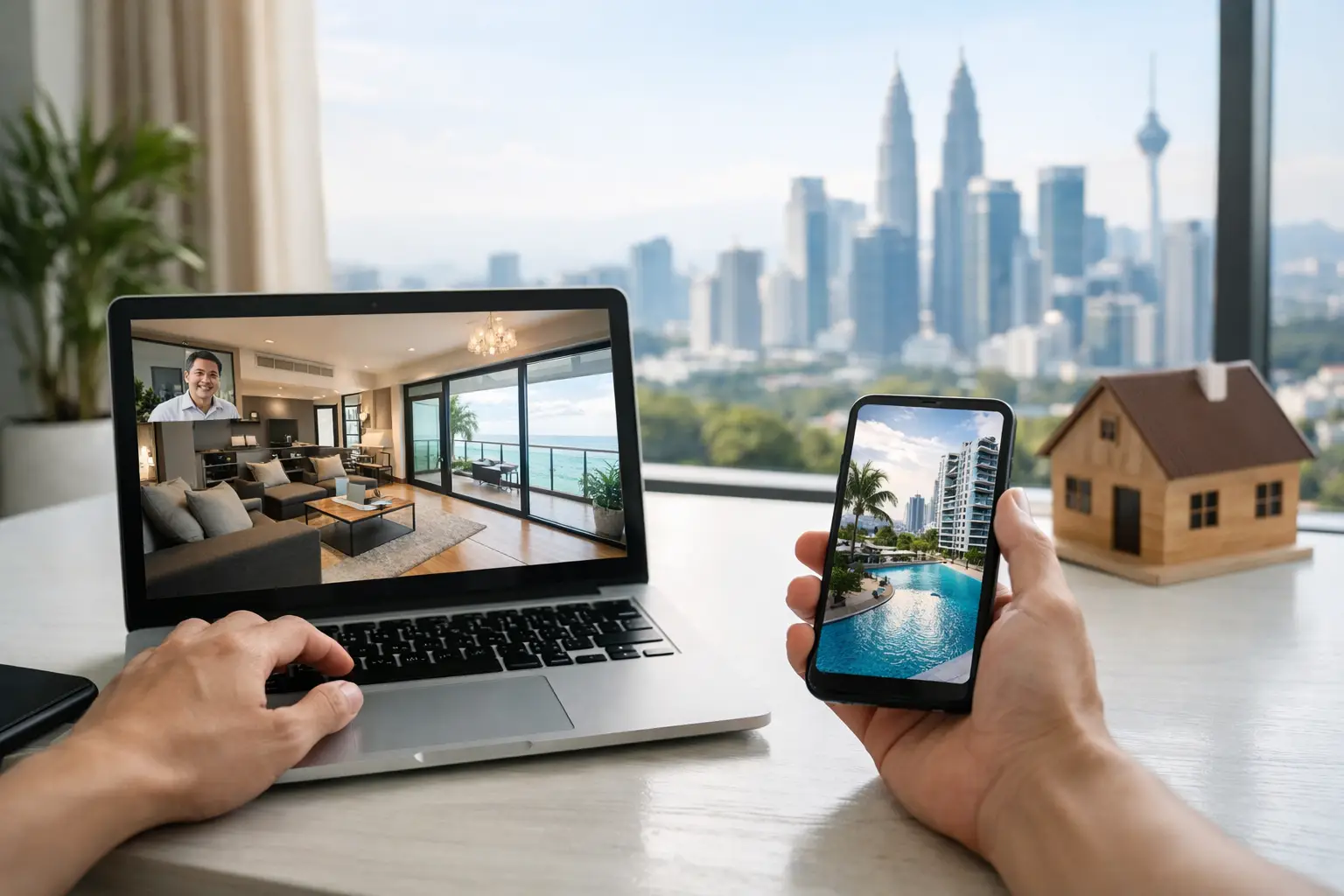

A prospective guest lands on a hotel website at 11:30 p.m., compares three similar properties, and cannot tell whether the meeting room, lobby, or pool actually matches the photographs. The property with an interactive, accurate walkthrough gives that visitor a better basis for choosing. So, can virtual tours increase bookings? Yes, when the tour is built as a decision-making tool rather than a visual novelty.
For hotels, event venues, serviced residences, showrooms, and commercial properties, a virtual tour reduces the gap between online interest and physical confidence. It lets prospective customers assess the spaces that matter to them on their own schedule, before they contact the sales team or commit to a booking.
Can Virtual Tours Increase Bookings? Why They Can
Bookings are rarely lost because a prospective customer has no images to review. They are lost because static images leave too many unanswered questions. Is the room layout practical? How far is the ballroom from the lobby? Does the coworking floor feel open or cramped? Can a wedding party move comfortably through the venue?
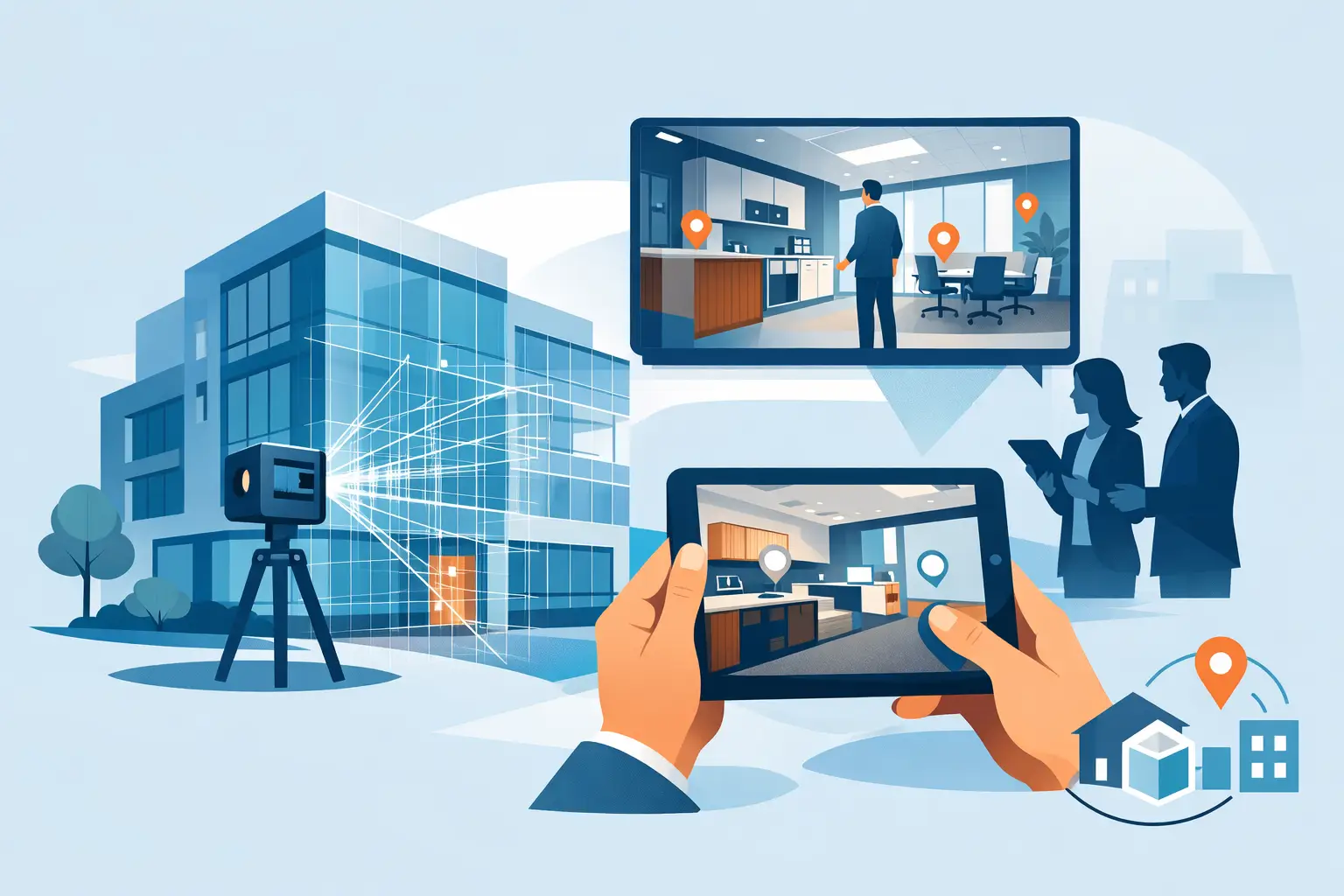
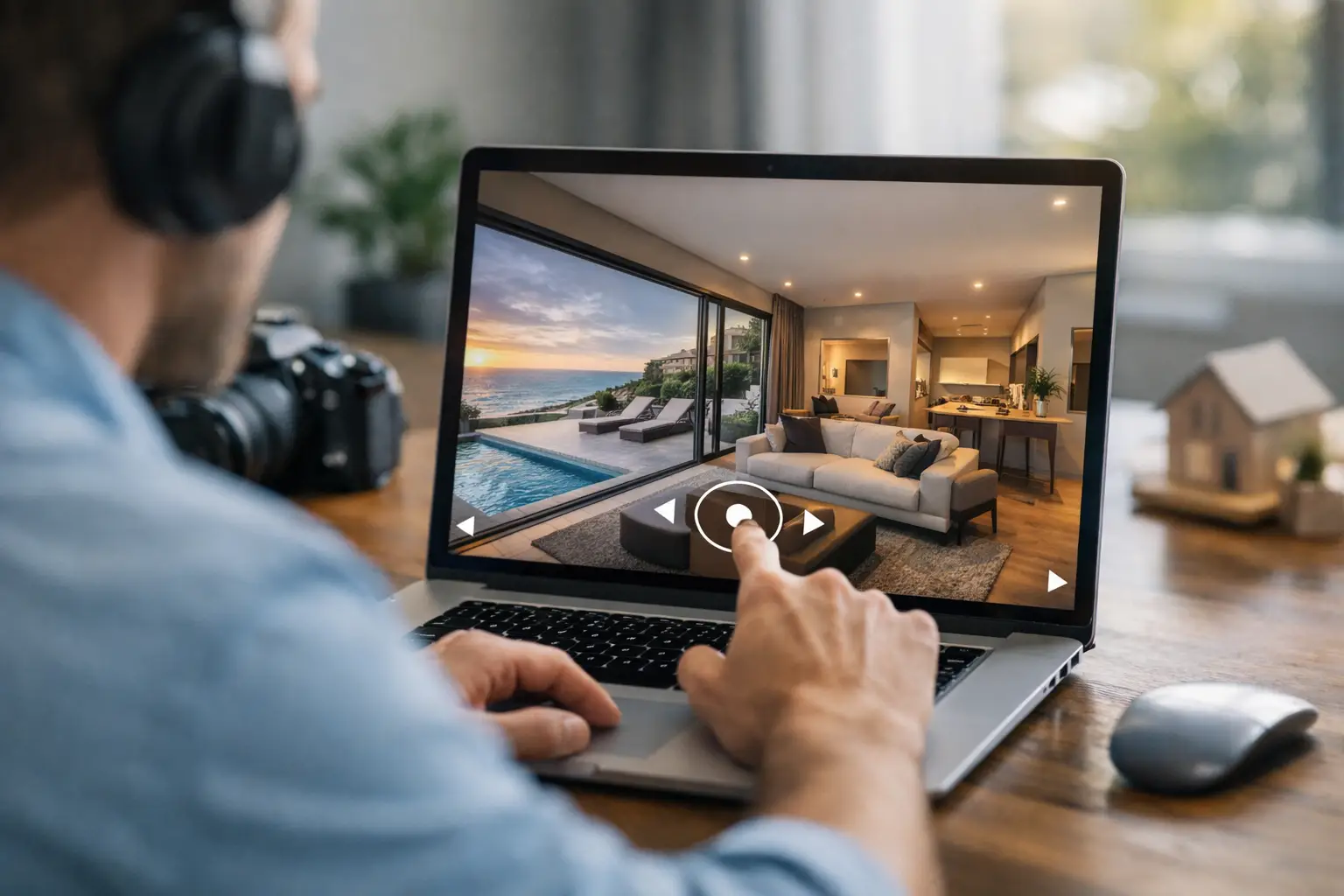
A well-produced 360 virtual tour answers those questions in context. Instead of asking visitors to assemble a mental picture from selected photographs, it allows them to move through the actual environment and understand spatial relationships. That additional clarity can make a meaningful difference when a customer is deciding between comparable options.
The commercial effect is not simply more website traffic. It is stronger intent from the visitors who do arrive. A person who has explored guest rooms, dining areas, event spaces, amenities, access routes, and surrounding views is better prepared to make an inquiry or book directly. Sales teams also spend less time explaining basic layouts to leads whose requirements are clearly not a fit.
For hospitality operators, this is particularly relevant to direct booking strategies. Third-party platforms can introduce a property to a broad audience, but an immersive experience on the operator’s own website gives the brand more control over the presentation, supporting information, and next action. For venue managers, it can help planners assess capacity, flow, staging options, and guest experience before arranging a site inspection.
The Real Conversion Driver Is Reduced Uncertainty
Virtual tours do not persuade every visitor. Their value lies in helping the right visitor feel confident enough to proceed.
Consider a corporate event planner evaluating two convention venues. Both have similar capacity, pricing, and location. One offers polished photographs and a floor plan. The other offers a navigable digital twin with clear views of entrances, pre-function areas, breakout rooms, loading access, and the main hall. The second venue has made it easier for the planner to visualize the event, share the option internally, and identify practical constraints early.
That matters because booking decisions often involve more than one person. A travel manager may need approval from a procurement team. A bride and groom may share options with family. A retailer assessing a pop-up location may need input from operations and brand teams. A virtual tour becomes a common reference point that stakeholders can review remotely, without coordinating multiple site visits.
This benefit is especially valuable for international and out-of-market customers. In markets such as Southeast Asia, where regional travel, overseas investment, and cross-border business are common, an immersive tour helps a prospect shortlist a hotel, venue, or property before traveling. It does not eliminate the need for a physical visit in every high-value decision, but it makes that visit more purposeful.
A Tour Must Support the Booking Journey
Not every virtual tour improves conversion. A poorly planned tour can create friction, load slowly, omit key areas, or leave the visitor with more questions than answers. The capture quality and the journey design both matter.
Show the spaces people book, not just the spaces that photograph well
A hospitality tour should not stop at a dramatic lobby and a premium suite. Visitors may need to inspect standard room categories, meeting facilities, dining settings, pool areas, parking, accessibility routes, and arrival points. An event venue may need to show ceiling height, room transitions, technical access, seating possibilities, and guest circulation.
The objective is accurate expectation-setting. Overselling only the most photogenic corners can increase inquiries, but it can also lead to disappointment, cancellation risk, or a mismatch between what was imagined and what is delivered.
Add useful context at the moment it is needed
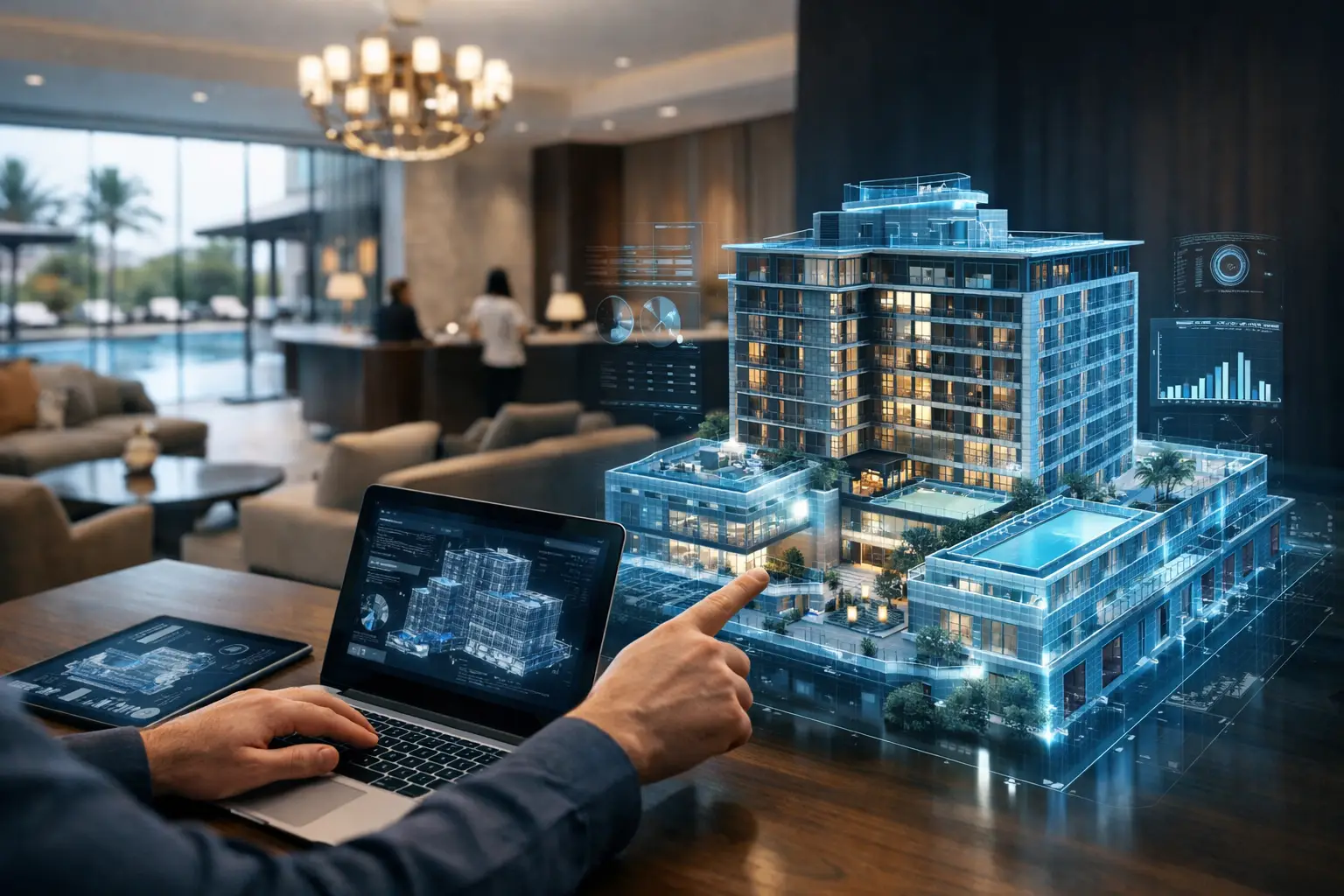
A digital twin can do more than let viewers move from point to point. Informational tags, embedded media, room labels, measurements, and calls to action can connect visual exploration to the commercial decision.
For example, a hotel can identify room types and highlight business facilities. A venue can label capacities or show different event configurations. A commercial leasing team can use a tour to identify available units, access points, and key building features. The information should be concise and relevant, not a layer of distracting pop-ups.
Make the next action obvious
A visitor should not have to search the site after viewing a space. The tour needs a clear path to book, request a proposal, check availability, arrange a site visit, or speak with a sales representative. This is where immersive content becomes part of the conversion system rather than an isolated marketing asset.
For properties with longer sales cycles, the right action may be an inquiry rather than an instant booking. For a hotel booking engine, it may be a direct route to availability for the room category the visitor has just explored. The best choice depends on the sales model and the value of the transaction.
Where Virtual Tours Have the Strongest Booking Impact
Virtual tours generally perform best when the physical environment is central to the purchase. That includes hotels and resorts, function rooms, wedding venues, coworking locations, exhibition centers, museums, galleries, retail spaces, and premium real estate.
They are also effective where the customer has a high need for reassurance. A guest booking a family holiday wants to understand room connections and amenities. A conference organizer needs to judge logistics. A prospective tenant needs to evaluate the feel and function of a workspace. In each case, the purchase is not just a product selection. It is a spatial decision.
The impact may be lower for simple, low-cost transactions where the environment is less influential than price or availability. A virtual tour cannot compensate for weak rates, poor reviews, inconvenient location, or a difficult booking process. It should be treated as one high-value component of a broader marketing and revenue strategy.
Measuring Whether the Tour Is Working
The question is not whether people enjoy using the tour. The question is whether it improves commercial outcomes.
Track engagement alongside conversion behavior. Useful signals include time spent in the tour, the percentage of visitors who continue to a booking or inquiry page, lead quality, site-visit requests, and the rate at which inquiries progress to confirmed bookings. Where possible, compare these results with pages or campaigns that use static imagery alone.
It is also worth asking sales teams what changes in the conversations they have. Are leads arriving with a clearer understanding of the space? Are fewer calls spent clarifying basic layouts? Are event planners asking more specific questions about packages and availability? These operational signals can reveal value that a single website conversion metric misses.
For larger portfolios, the tour can contribute data beyond marketing. Digital twin environments can support sales training, remote stakeholder reviews, renovation planning, and facility communication. Novo Reperio approaches immersive spatial capture with this broader asset value in mind, combining high-quality visualization with digital twin and 3D spatial data capabilities where the project requires them.
Build for Accuracy, Speed, and Trust
The most effective virtual tours feel intuitive because the work behind them is deliberate. Capture should reflect the current condition of the space, navigation should be simple on mobile and desktop, and the experience should load reliably for the audiences being targeted.
Accuracy is also a brand issue. If a room has been renovated, a venue layout has changed, or an amenity is no longer available, the tour should be updated. An outdated tour may still attract attention, but it undermines the trust that the experience was meant to build.
For decision-makers, the practical test is straightforward: does the experience help a prospective customer make a faster, better-informed choice? When it shows the right spaces, answers real questions, and leads naturally to a booking or inquiry, a virtual tour can become one of the most productive assets on a property or venue website. Start by mapping the questions your sales team answers repeatedly, then build the tour around the spaces that resolve them.