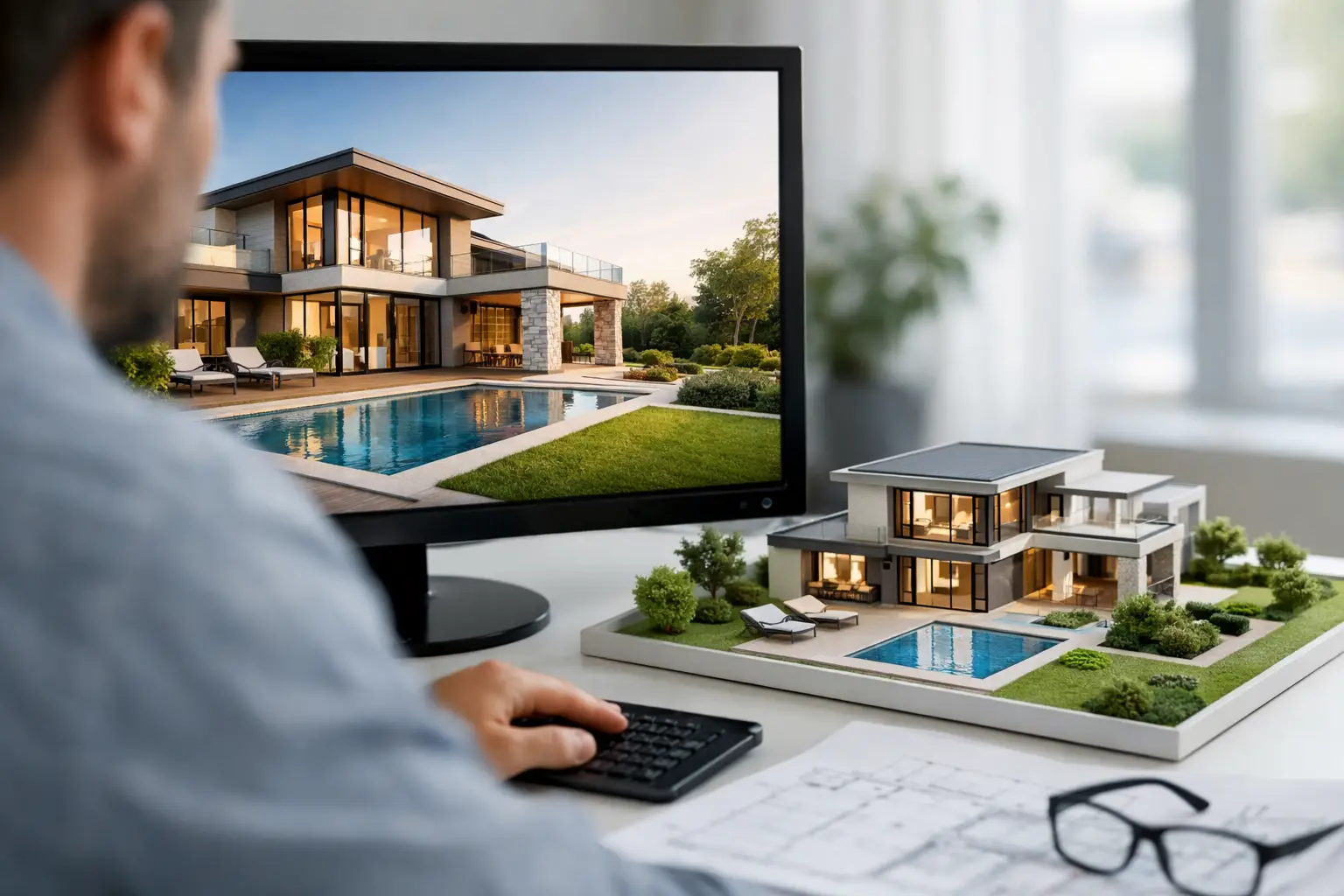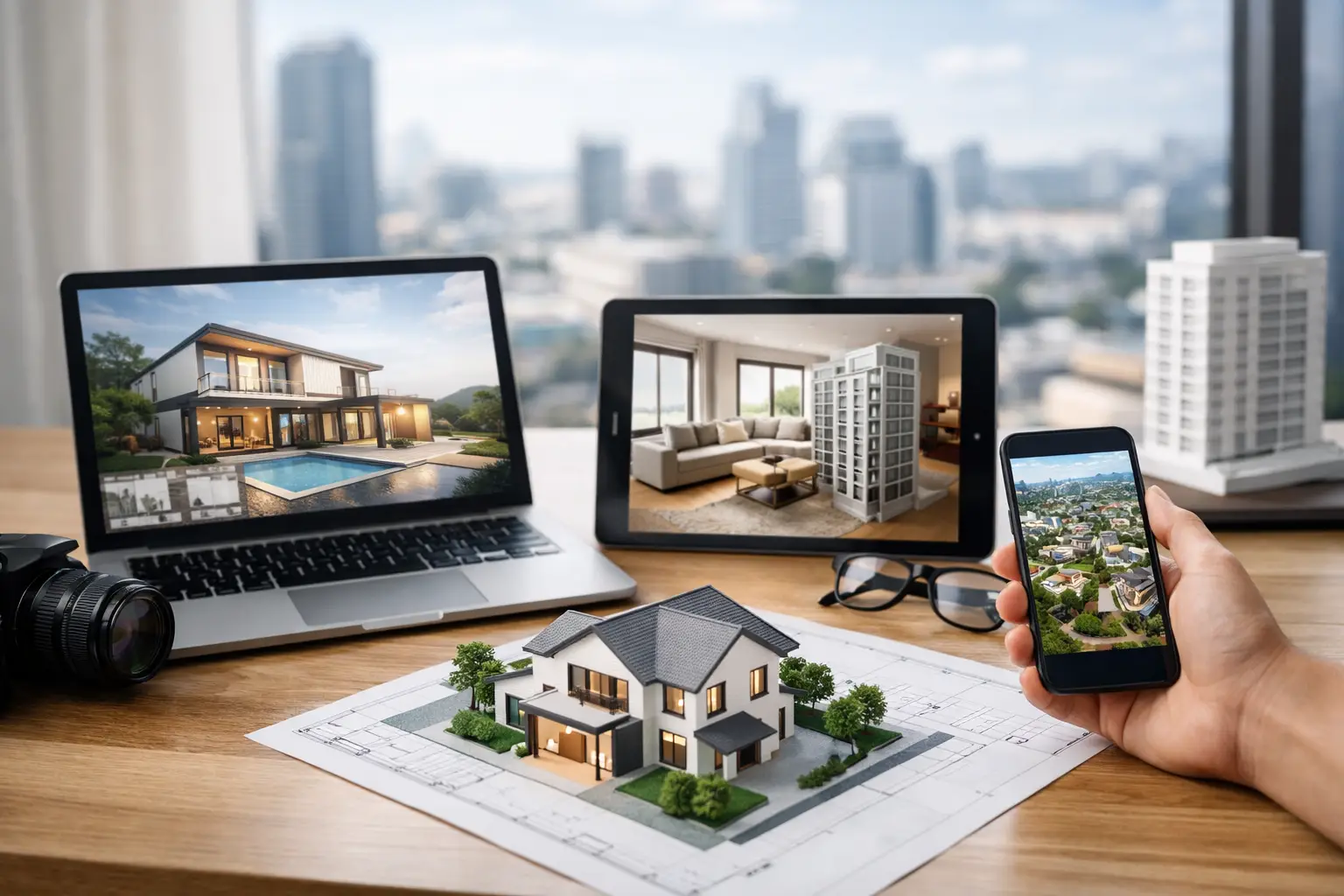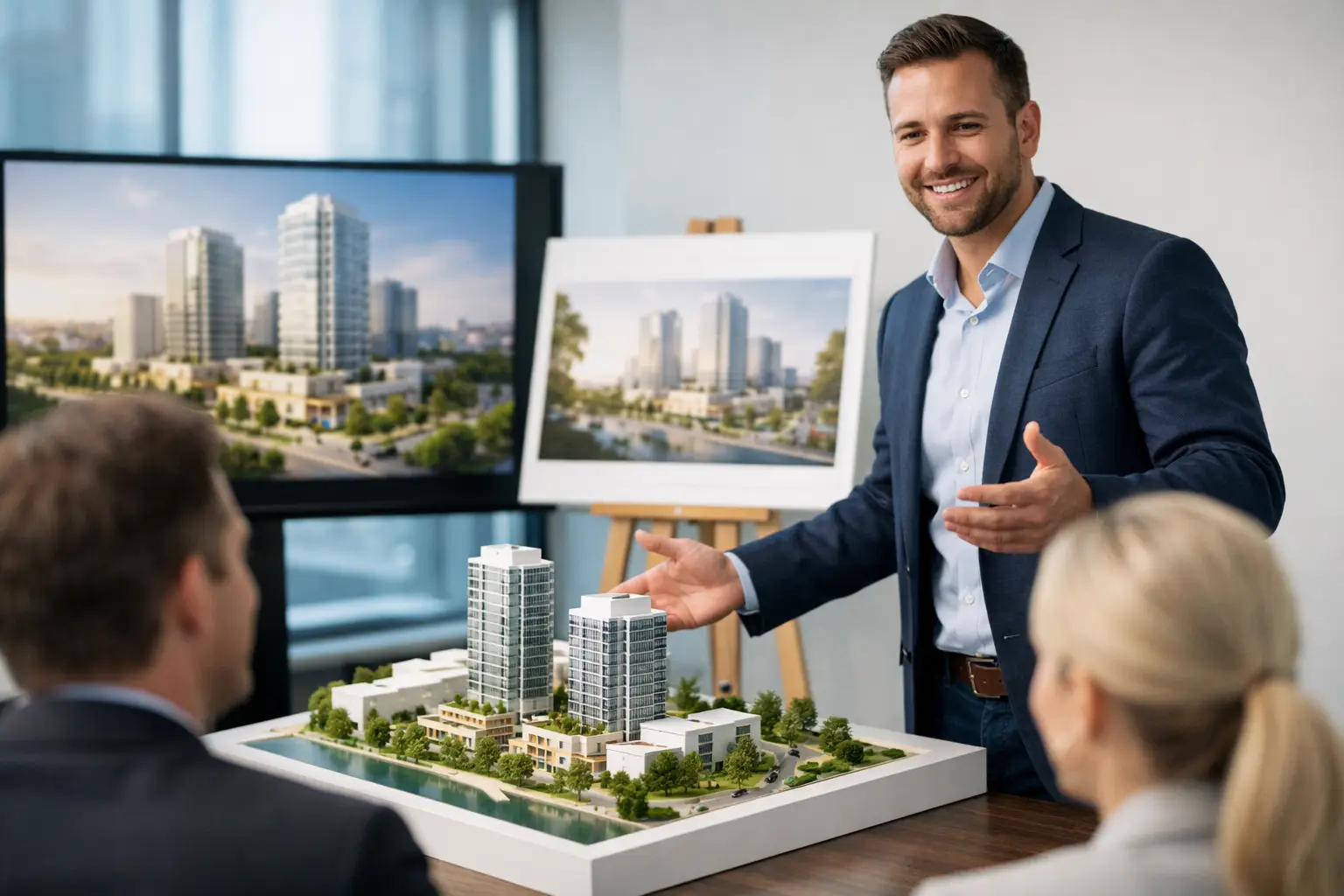

Selling a space that does not exist yet is not a branding exercise. It is a trust exercise. When buyers, investors, tenants, or internal stakeholders cannot walk the site, inspect finishes, or understand scale firsthand, your presentation has to do more than look attractive. It has to reduce uncertainty. That is the real answer to how to present unbuilt developments in a way that moves decisions forward.
Too many launch materials still rely on static hero visuals, generic floor plans, and broad lifestyle claims. Those assets may create initial interest, but they rarely answer the practical questions that matter in high-value decisions: How will the space feel? What is the true relationship between units, views, circulation, and amenities? How does this fit into the surrounding context? And can stakeholders compare options without guesswork?
Why presenting unbuilt developments is harder than it looks
An unbuilt development has no physical proof point yet. That changes the sales dynamic. You are not just marketing a product. You are translating design intent, future experience, and commercial value into something people can evaluate now.
This is where many presentations fail. They focus on visual appeal but not decision support. A polished rendering may generate attention, yet still leave buyers uncertain about room proportions, natural light, adjacency, access routes, or the broader site environment. For institutional stakeholders, the gap is even wider. Investors and project partners need confidence that what is being shown is consistent, technically credible, and aligned with the actual asset pipeline.
The trade-off is simple. If you oversimplify, the development feels vague. If you overload the audience with technical material, the message becomes difficult to absorb. The strongest presentations sit in the middle. They combine visual clarity with spatial accuracy and commercial relevance.
How to present unbuilt developments with more clarity
The most effective way to present unbuilt developments is to build a layered visual system rather than a single sales asset. Different audiences need different depths of information, and most developments involve more than one decision-maker.
At the top layer, you need immediate impact. This is where high-quality CGI still matters. Exterior visuals, lifestyle imagery, and key amenity scenes help people grasp the identity of the project. But these should not stand alone. They work best when they lead naturally into more interactive tools that answer practical questions.
A second layer should focus on spatial understanding. This is where 3D walkthroughs, interactive models, and digital twin environments create measurable value. Instead of asking prospects to interpret plans on paper, you allow them to move through a future space, understand layout relationships, and compare units or commercial areas with more confidence. For mixed-use projects, hospitality developments, and large residential launches, this often shortens the gap between curiosity and serious inquiry.
A third layer should connect the unbuilt asset to real-world context. Drone-based site views, mapped surroundings, and location-aware visualization help stakeholders understand access, neighboring assets, topography, and line of sight. That matters because buyers are rarely evaluating a building in isolation. They are buying into a location, movement pattern, and long-term use case.
Start with the decision, not the rendering
Before producing any visual content, define what the audience needs to decide. That sounds obvious, but it changes the entire presentation strategy.
If the goal is early investor alignment, the presentation should prioritize master planning logic, phasing, site context, and development narrative. If the goal is unit sales, the focus should shift toward layout clarity, views, finishes, and buyer journey. If the target is commercial leasing, then circulation, frontage, access, and tenant visibility become more important than lifestyle imagery.
This is why one-size-fits-all marketing packages often underperform. A sales gallery screen, a website experience, a broker presentation, and an investor briefing should not all show the same material in the same order. The content may come from the same asset base, but it needs to be structured around different commercial decisions.
Visual realism matters, but accuracy matters more
There is a common mistake in off-plan marketing: visuals become so polished that they start to feel aspirational rather than credible. Sophisticated audiences notice this quickly. If landscaping looks exaggerated, daylight behaves unrealistically, or unit proportions feel inconsistent with the floor plan, trust drops.
Good presentation is not about making a development look better than it is. It is about making the future asset understandable. That requires discipline in modeling, material consistency, camera placement, and environmental context. It also requires alignment between render teams, architects, and marketing leads so that the imagery supports what can actually be delivered.
This is where technically grounded workflows make a difference. When 3D visualization is built with spatial precision in mind, the result is more than promotional media. It becomes a decision tool. For developers working across competitive urban markets such as Kuala Lumpur, Singapore, or Bangkok, that credibility can be a real differentiator when buyers are comparing multiple projects remotely.
Use immersive presentation to reduce friction
Static brochures still have a role, but they are no longer enough for many development types. Buyers now expect to evaluate properties remotely, revisit them on their own time, and share them internally before making contact.
Immersive presentation tools support that behavior. A CGI walkthrough can communicate atmosphere and sequence. A virtual showroom can organize unit types, specifications, and amenity stories in one place. An interactive digital environment can give teams a more scalable way to present large or complex projects to overseas buyers, regional investors, and commercial tenants.
The advantage is not novelty. It is efficiency. When people can self-navigate a project, revisit key views, and understand the offer without a live meeting, your sales team spends less time re-explaining fundamentals and more time handling qualified conversations.
That said, not every project needs the same level of immersion. A boutique residential development may benefit most from refined CGI and a short walkthrough. A large master-planned community or hospitality property may justify a more advanced digital twin environment because the project story depends on movement, scale, and layered amenity experience. It depends on complexity, price point, and buyer profile.
Present the surrounding story, not just the building
Unbuilt developments are often marketed as isolated objects. That is a mistake, especially for commercial, hospitality, and mixed-use assets. Stakeholders need to understand what the development connects to and why that matters.
A strong presentation should show access roads, transport relationships, neighboring anchors, terrain, view corridors, and proximity logic. In resort and hospitality settings, it should also communicate arrival sequence, landscape integration, and experiential flow. In urban residential projects, neighborhood context can be just as influential as the unit itself.
Drone imaging, mapped overlays, and location-aware 3D visualization help bridge this gap. They make the proposal feel grounded rather than hypothetical. For remote buyers and international stakeholders, that context often creates confidence faster than another polished interior rendering.
Keep the sales experience consistent across channels
One overlooked issue in how to present unbuilt developments is inconsistency. The website shows one version of the project, the sales deck shows another, and the showroom experience introduces a third. That creates friction and raises questions that should never appear.
The better approach is to build from a unified asset ecosystem. Your CGI, interactive visuals, floor plans, drone context, and digital presentations should all support the same development narrative. Specifications, layout logic, and visual style should remain aligned whether someone is viewing the project on a mobile device, in a boardroom, or through a sales consultant.
This is where a partner with both spatial technology capability and commercial presentation experience adds value. The goal is not simply to produce assets. It is to create a presentation framework that can scale across marketing, stakeholder communication, and ongoing project updates.
Measure whether the presentation is doing its job
A good-looking presentation is not automatically an effective one. You need to evaluate whether it improves engagement, supports conversion, and shortens decision cycles.
Look at how long prospects interact with project content, which unit types draw repeat attention, where drop-off happens, and what questions still surface in sales calls. If viewers spend time inside an interactive experience but still ask basic orientation questions, the presentation may be visually strong but structurally weak. If overseas leads engage more deeply with immersive tools than static brochures, that tells you where to invest further.
The strongest teams treat presentation as part of sales enablement, not just campaign production. They refine assets based on actual buyer behavior and stakeholder response.
When unbuilt developments are presented with precision, the conversation changes. Prospects stop asking what the project might become and start evaluating whether it is right for them. That shift is where momentum begins, and it is where better visualization starts paying for itself.