
A buyer considering a penthouse, hotel ballroom, showroom, or industrial facility is rarely asking for more images. They are trying to answer practical questions that flat media cannot resolve: What does the space actually feel like? How do the rooms connect? Will this layout work for my event, team, product, or investment? Immersive commerce gives them a credible way to answer those questions before a site visit.
For space-driven businesses, the opportunity is not simply to make marketing more visually impressive. It is to turn a physical environment into an interactive digital asset that supports discovery, comparison, stakeholder approval, and sales conversations. When planned well, it improves buyer confidence while giving commercial teams better-qualified inquiries and a more efficient path to decision.
Immersive Commerce Starts With Spatial Confidence
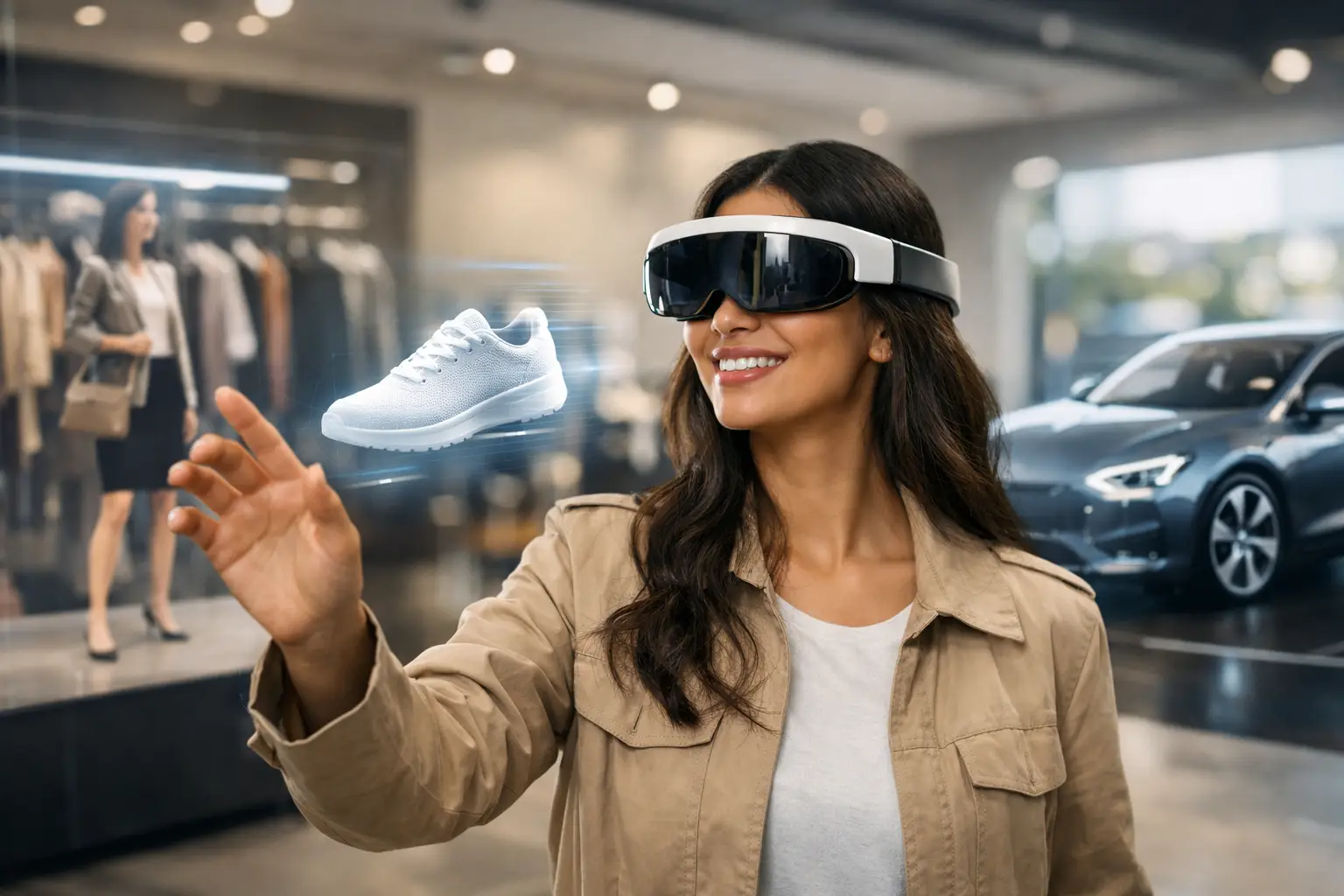
Immersive commerce is the use of interactive, spatial digital experiences to help customers evaluate and purchase a product, property, venue, or service. In real estate, that can mean a navigable digital twin of a residence or development. In hospitality, it may be a virtual walkthrough that lets planners inspect guest rooms, meeting spaces, and guest flow. In retail, it can be a shoppable virtual store that connects product discovery to the context in which products are displayed.
The defining feature is not the technology itself. A 360 tour, CGI visualization, drone view, product tag, or floor plan becomes commercially useful when it reduces uncertainty at a meaningful point in the buying journey.
This matters most where value is tied to space, scale, condition, layout, or atmosphere. A single hero photograph can create interest, but it cannot reliably show sightlines from a balcony, circulation through a convention center, clearance around equipment, or the relationship between a lobby and its amenities. Interactive environments allow prospects to inspect those details at their own pace and return with specific questions.
That does not mean immersive experiences replace physical viewings. High-consideration decisions still benefit from site visits, especially where finishes, neighborhood conditions, acoustics, and operational constraints matter. The stronger use case is earlier in the journey: helping distant buyers, internal approvers, and shortlisted prospects decide whether a visit is worth their time.
Where Immersive Commerce Produces Commercial Value
The most immediate impact is usually stronger engagement. Visitors spend more time with an environment they can navigate than with a static gallery, particularly when the experience loads quickly and offers clear orientation. Time alone is not a success metric, however. The important question is whether that engagement produces an action: a viewing request, quotation inquiry, booking conversation, leasing discussion, or product shortlist.
For property developers and real estate marketers, an immersive experience can present the full context of an asset rather than relying on selected angles. Prospects can move between rooms, examine available views, understand unit layouts, and share a consistent representation with family members or investment partners. This is particularly valuable for cross-border audiences who may not be able to visit immediately.
Hospitality and venue operators can use digital tours to shorten the inquiry cycle for weddings, conferences, corporate events, and group bookings. An event planner who can inspect pre-function areas, ceiling height, seating possibilities, access routes, and adjacent rooms arrives at the sales conversation better informed. The sales team can spend less time explaining the basics and more time designing the right package.
Retail brands, galleries, and automotive showrooms face a different challenge: translating physical presentation into digital attention without losing the character of the space. A well-designed virtual environment can preserve merchandising logic, highlight featured collections, and create more reasons for visitors to explore. Yet it should not become a digital replica with no commercial purpose. Product information, inquiry points, and campaign content need to appear where they help the customer decide, not where they interrupt exploration.
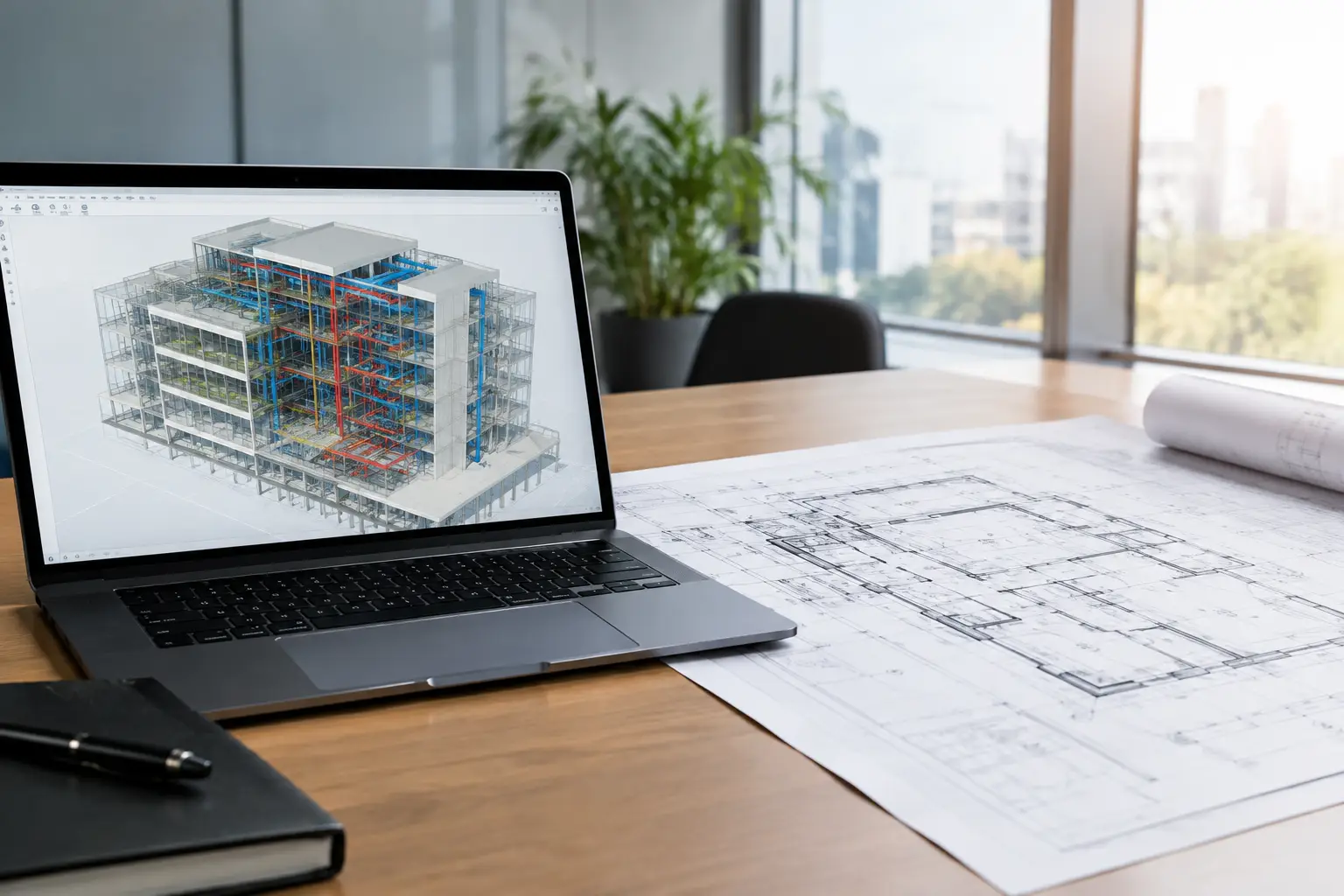
Industrial and facility environments often gain value beyond marketing. A data-rich spatial model can support remote familiarization, asset planning, maintenance coordination, and stakeholder communication. In these settings, visual appeal matters, but accuracy and usability matter more. The same capture program may need to serve operations, engineering, training, and client presentation, which changes the level of detail and the way information is structured.
The Experience Must Serve a Specific Decision
The most common mistake is treating immersive content as a premium add-on to a conventional campaign. A beautiful virtual tour with no defined audience, decision point, or next action may attract attention but fail to influence revenue.
Start by identifying the decision the experience should support. A luxury property buyer may need confidence in spatial flow and finishes. A corporate event planner may need to assess capacity, branding opportunities, and logistics. A facility manager may need to locate equipment and validate existing conditions. These are different jobs, and they call for different capture methods, interface design, and supporting information.
The next question is what the buyer cannot understand from existing materials. If standard photography already communicates the product clearly, a complex interactive build may not be justified. If the asset is large, difficult to access, under construction, geographically remote, or dependent on spatial context, immersive visualization is likely to carry more weight.
This is where digital twins, LiDAR capture, Scan-to-BIM workflows, 360 imagery, drone mapping, CGI, and virtual staging should be viewed as a connected toolkit rather than competing formats. A completed hotel may benefit most from a high-quality interactive tour supported by aerial context. A renovation project may require LiDAR-based as-built information and a BIM-ready model before visualization becomes useful. A property still under development may need CGI walkthroughs to sell an experience that cannot yet be physically captured.
The right solution depends on what exists, what must be communicated, and how accurate the final asset needs to be. Precision is not optional when the model will inform planning or operations. Conversely, an overly technical experience can create friction when the immediate objective is a fast, persuasive marketing interaction.
Build for Discovery, Then Build for Conversion
A visitor entering a virtual space needs orientation within seconds. They should understand where they are, what they can explore, and what action to take next. Clear navigation, intuitive hotspots, floor plans, and strategically placed information can guide the experience without turning it into a tutorial.
Commercial teams should also decide where the immersive experience sits in the broader buyer journey. A virtual showroom can work as a campaign destination, a sales follow-up tool, a QR-enabled on-site experience, or a resource embedded in a property listing. Each placement changes the audience’s intent. A first-time visitor may need an overview, while a lead returning after a call may need detailed specifications or a direct route to a booking form.
Integration matters here. Inquiry capture, analytics, CRM workflows, booking systems, and product catalogs should be considered before launch. If an experience generates interest but cannot identify what a visitor explored or make follow-up easy, part of its commercial value is lost. The goal is not to collect every possible data point. It is to give sales and marketing teams useful signals, such as the spaces viewed, the content engaged with, and the conversion action selected.
For Novo Reperio, this means treating spatial capture and visualization as part of a broader digital experience strategy. The output is not merely a tour. It is a reusable asset that can support campaigns, remote presentations, operational discussions, and future content needs when built with the right purpose from the outset.
Measure What Changes the Sales Process
Immersive commerce should be assessed against business outcomes, not novelty. Engagement metrics such as sessions, dwell time, repeat visits, and interaction depth can indicate whether the experience is compelling. They do not prove commercial impact on their own.
Pair those signals with conversion measures that match the use case: qualified inquiries, tour bookings, event proposals, direct reservations, shortlist rates, sales-cycle duration, or reduced time spent on preliminary explanations. For operational uses, measure fewer site visits, faster approval cycles, reduced rework, or better access to reliable spatial information.
Attribution will never be perfect. A buyer may first encounter a digital twin, later speak with a salesperson, and finally visit the site before making a decision. That is normal for high-value purchases. The practical test is whether the experience improves the quality and readiness of the conversation compared with audiences who rely only on traditional assets.
A Better Starting Point Than “We Need a Virtual Tour”
The most productive brief begins with a commercial question: Which decision is currently slow, difficult, or poorly supported because people cannot experience the space remotely? From there, the scope becomes clearer. Capture accuracy, visual style, interactive features, system integrations, and measurement can all be aligned with a defined outcome.
Physical spaces already contain valuable information. The opportunity is to present that information in a form that customers and stakeholders can explore with confidence. Build the experience around the decision you want to improve, and immersive commerce becomes more than a visual upgrade – it becomes practical infrastructure for how people buy, approve, and manage space.